Tag: laminator
How to Start a Lamination Service Business
Starting a small business often means finding something practical that people need every day. A lamination service is one of those ideas. Schools, offices, restaurants, and even individuals rely on lamination to keep their important papers and printed materials safe. From certificates to menus and ID cards, lamination adds both durability and a professional touch. If you want to start a business with low entry costs and steady demand, a lamination service might be a great choice.
What is Lamination in Printing?
Before diving into the business side, it helps to know what lamination really means in printing. Lamination is the process of sealing printed materials between thin layers of plastic film. This extra layer protects the paper from dirt, moisture, and tearing. It also gives the surface a smooth finish, which can be glossy, matte, or even textured.
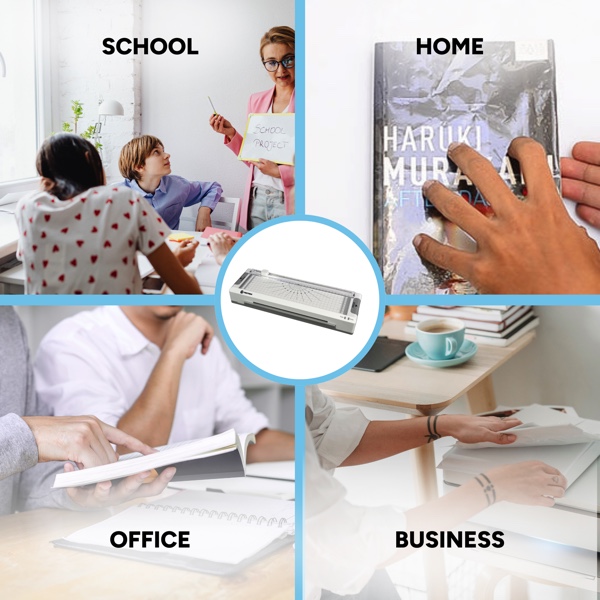
Lamination is widely used because it combines function and style. Schools laminate teaching materials to make them last longer. Offices protect certificates, training papers, and ID badges. Restaurants laminate menus to avoid reprinting every time they get dirty. Even individuals laminate family photos and documents for safekeeping.
To do this, you’ll use machines like pouch laminators or roll laminators. Pouch laminators are compact and perfect for smaller jobs like ID cards and documents. Roll laminators, on the other hand, handle larger tasks such as posters, signs, or bulk orders. Both types use laminating rolls or laminating pouches, depending on the machine and project. These are the essentials of a lamination service.
Why Start a Lamination Service?

A lamination business works because people will always need to protect important documents. It’s a service that combines low costs with consistent demand. You don’t need a huge space to begin, and you can scale the business over time.
Running a lamination service also lets you connect with different groups. Schools, offices, print shops, and even casual walk-in clients can become steady customers. Once you gain their trust with quality work, they are likely to return again and again.
Research the Market
Before buying a laminator, take some time to research. Market research will help you understand your target clients and competition.
Start by asking yourself:
- Are there schools, universities, or offices near your area?
- Who already offers lamination services nearby?
- How much do they charge per page or per order?
- Do people need lamination more for small jobs or large runs?
By answering these, you’ll know how to position your business. You may decide to focus on walk-in customers, or you might target bulk orders from schools and offices.
Build a Simple Business Plan
You don’t need a long, complex plan to begin. A short and clear business plan is enough to guide you.
Focus on these points:
- What services will you offer?
- Who is your main market?
- What equipment and supplies do you need?
- How much will you charge?
- How will you promote your business?
Writing this down gives you direction. It also helps you calculate costs and predict your income.
Choose the Right Location
The spot you choose can influence your business success. A busy location means more people will notice your service.
Good places to start include:
- Near schools or universities
- Close to government offices or private companies
- Inside or next to a print shop
- Areas with steady foot traffic
If you can’t afford a physical shop yet, start small. Offer lamination from home and provide pickup or delivery services.
Get the Right Equipment and Supplies

The heart of your business lies in your laminators and supplies. Choose carefully so you can deliver quality work.
You will need:
- A pouch laminator for ID cards, certificates, and standard paper sizes
- A roll laminator for posters, menus, and larger projects
- Laminating pouches in different sizes for small jobs
- Laminating rolls for bigger machines and bulk work
- A trimmer or cutter to make neat edges
Buying cheap machines may save money at first but can lead to poor results or breakdowns. Reliable equipment will save you time and trouble in the long run.
Learn the Skills
Operating a laminator may look easy, but practice is important. You need to know how to use the machines and handle different materials.
Key skills to practice include:
- Setting the right temperature and speed for each project
- Feeding pouches or rolls without causing bubbles or wrinkles
- Cutting and trimming clean edges after lamination
- Handling bulk jobs without delays
- Cleaning and maintaining the machine regularly
The more you practice, the smoother your service will run. Try laminating test documents before working with customer orders.
Handle Permits and Legal Needs
Even a small business needs to follow basic rules. Registering your business will make it official and safe from penalties.
Steps to take include:
- Register your business with local authorities
- Get a business permit or license if required
- Check zoning rules if opening a shop
- Register for taxes if necessary
It’s better to start right than risk problems later.
Set Fair Pricing
Your pricing should reflect your costs while staying fair to customers. Setting clear and simple rates will attract more clients.
When deciding your prices, think about:
- The cost of pouches, rolls, and electricity
- How much competitors charge
- Whether you’ll offer discounts for bulk orders
- If you’ll add express service for an extra fee
You can also create packages, such as school ID deals or corporate bulk plans. These options give customers more reasons to choose your service.
Spread the Word
Once you’re ready, people need to know about your service. Marketing doesn’t have to be expensive. You can start with simple and practical methods.
Try these ideas:
- Print flyers and post them near schools and offices
- Offer discounts to first-time customers
- Promote on social media and share before-and-after photos
- Partner with nearby print shops
- Ask happy clients to recommend you
A mix of word-of-mouth and online presence can give your business a steady flow of customers.
Manage Daily Operations
Running the business smoothly is just as important as finding clients. Good systems and customer service will keep your clients coming back.
For operations, remember to:
- Keep track of supplies so you don’t run out
- Clean and maintain your machines regularly
- Create a workflow to avoid delays
For customer service, you should:
- Give clear timelines for each job
- Be honest about pricing before starting
- Communicate quickly if problems arise
- Listen to feedback and improve
Satisfied customers are more likely to return and spread the word.
Grow Your Service
Once your lamination business is steady, you can expand. Offering more services will increase income and attract new clients.
Expansion ideas include:
- Adding large format printing and photocopying services
- Providing binding services and other print finishing services
- Offering custom laminated items like name tags or passes
Expanding slowly but steadily will help you grow without overwhelming your resources.
Notes to Keep in Mind
Running a lamination business can look simple, but it takes focus. Keep these reminders in mind:
- Always prioritize quality over speed
- Stock enough supplies to avoid delays
- Invest in good machines to save future costs
- Build strong relationships with repeat customers
- Keep improving your skills and services
These small steps can make a big difference in your long-term success.
Starting a lamination service business can be a smart and practical choice. It requires modest investment but can serve many clients, from schools to offices and individuals. With the right equipment like pouch laminators, roll laminators, laminating rolls, and laminating pouches, you can deliver quality results. By focusing on planning, marketing, and excellent service, you can build a trusted business that grows with time.
If you’re a business owner in the office, binding, printing or publishing industry, and you’re seeking the best binding machines to enhance your operations, look no further. Our selection of high-quality binding machines is designed to meet your specific needs. Whether you require the durability of case binding, the versatility of perfect binding, or the cost-effective benefits of saddle stitching, we have the right binding solution for you. Contact us today to explore our range of binding machines and take your business to the next level.