We Ship to North America Free Shipping for Many Products
Tag: laminating pouch

The Role of Lamination in Modern Schools

Schools handle many documents, learning tools, and visual materials every day. These items are passed from one student to another and used many times throughout the school year. Because of this, schools often look for ways to protect their printed materials. Lamination offers a simple and effective solution. By adding a plastic layer to paper, schools can make their teaching materials clean, strong, and long-lasting. In this guide, you will learn how schools benefit from lamination and how it supports daily learning.

What Lamination Means

It is important to understand lamination before exploring how schools use it. Lamination is the process of sealing paper between thin plastic film. This film protects the item from dirt, spills, folding, and tearing. The result is a clean and durable material that lasts through constant handling. Schools laminate many learning tools, such as flashcards, charts, and posters, to extend their life.

Why Schools Use Lamination

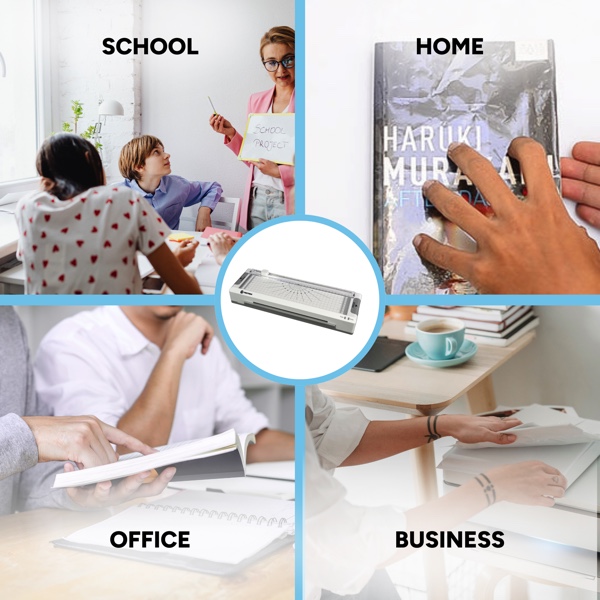
Various Applications for Soft Touch Matte Laminating Film

Schools need clean and reusable materials to support both teachers and students. Lamination offers many benefits that make it a practical solution.

Here are the main reasons schools choose lamination:

  • It protects items from water and stains
  • It prevents pages from ripping
  • It reduces the need to reprint
  • It keeps colours bright for a long time
  • It makes materials easy to clean

These advantages help schools save time and money while keeping their learning tools in good shape.

Protecting Learning Materials

Learning materials go through frequent handling. Lamination helps protect items that students touch and use every day.

Schools often laminate:

  • Flashcards for drills and reading activities
  • Visual aids used in front of the class
  • Classroom rules and reminders
  • Worksheets for repeated lessons
  • Labels for books, drawers, and bins

With lamination, teachers can reuse materials without worrying about damage from daily use.

Helping Early Learners

Young students often use learning tools more than older students. They also handle materials with less care. Lamination helps these tools survive the busy classroom environment.

Teachers often laminate early learning materials such as:

  • Alphabet cards
  • Number charts
  • Shape and colour guides
  • Story sequencing cards
  • Classroom games and matching cards

Laminated tools help teachers teach without constant replacements.

Supporting Teachers

Teachers need reliable materials that are presentable and easy to maintain. Lamination supports teachers by making their visual tools last longer. When teachers laminate their classroom materials, they spend less time preparing replacements and more time teaching.

Teachers also enjoy these benefits:

  • The freedom to reuse worksheets with dry-erase markers
  • The ability to carry laminated items without bending
  • The comfort of knowing their visuals will stay clean

This makes teaching easier and more organized.

Improving Classroom Hygiene

Classrooms need to stay clean and safe. Laminated items help support hygiene because they are easy to wipe and sanitize. Schools often use laminated items in areas that many students touch or visit.

Common laminated items for hygiene include:

  • Door signs
  • Activity station labels
  • Table labels
  • Safety reminders
  • Restroom instructions

One quick wipe can remove dirt, ink, or fingerprints. This helps keep shared items clean throughout the day.

Saving School Budget

Printing materials again and again can be costly. Lamination helps schools reduce waste and protect their budget. By using film instead of reprinting many times, schools stretch their supplies further.

Schools save money by laminating:

  • Posters have been used for many years
  • Seasonal decorations
  • Event signs for yearly programs
  • Manuals for teachers and staff
  • Study guides are used every semester

The longer these items last, the more the school saves.

Supporting Outdoor and Event Use

Schools also use materials outside the classroom. Some laminated items are displayed outdoors or in public spaces. Lamination protects these items from weather and frequent handling by guests.

Schools laminate for events such as:

  • Graduation ceremonies
  • Campus fairs
  • Open house signs
  • Directional arrows for guests
  • Announcement boards

Laminated signs stay sharp and readable even in busy spaces.

Helping Administrators Stay Organized

School offices also benefit from lamination. Administrators need clear and durable signs to guide both students and visitors. Lamination helps keep the campus neat and easy to navigate.

Offices often laminate:

  • Office labels
  • Visitor instructions
  • Campus maps
  • Emergency procedures
  • Staff directories

This adds professionalism and order to the school environment.

Tools Schools Use for Lamination

Schools can laminate in different ways depending on their needs. Before using lamination tools, it helps to understand each option.

The most common tools are:

Akiles ProLam Plus 330 13″ Pouch Laminator APLP-330

Pouch laminators for small items like IDs and cards

SUPU FM-480 Roll Laminator 19″ Overhead

Roll laminators for posters, charts, and long sheets
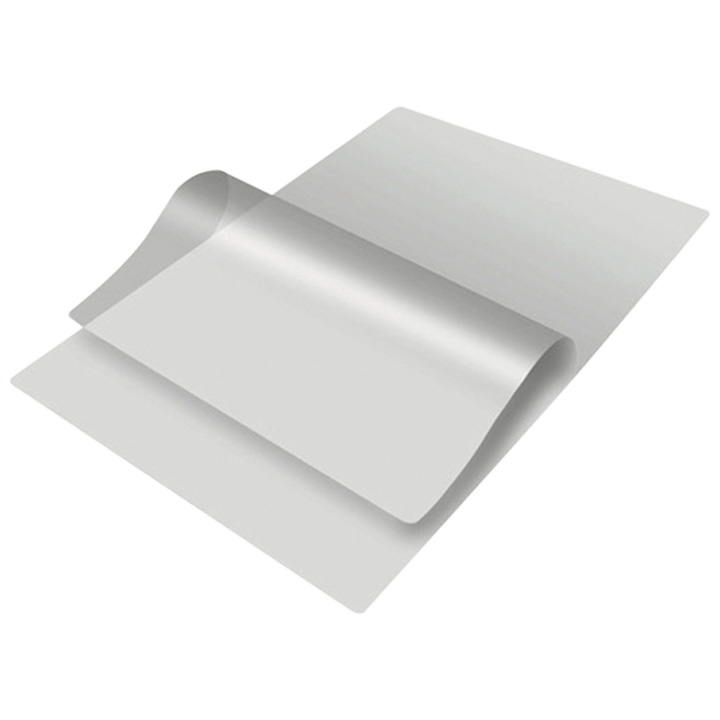
Laminating Pouch
Laminating Pouch

Laminating pouches for pouch machines

Soft Touch Matte Laminating Film

Laminating rolls for roll machines and bulk work

Each tool helps schools handle small or large jobs as needed.

Tips for Schools That Laminate Often

Schools that laminate many items must stay organized. A few simple steps can help teachers and staff manage their lamination tasks better.

Here are helpful tips for schools:

  • Sort materials before laminating to avoid waste
  • Store pouches and rolls in a dry place
  • Let laminated sheets cool before cutting
  • Trim edges only after sealing
  • Keep the machine clean for smooth results

These tips help extend machine life and improve output.

Lamination plays an important role in schools. It protects classroom tools, reduces printing waste, supports teachers, and keeps materials clean and durable. Whether schools use laminated flashcards, posters, or signs, the benefit is clear. Lamination helps create a more organized, hygienic, and cost-efficient learning space. With the right tools and smart use, schools can enjoy long-lasting teaching materials that support better learning every day.

If you’re a business owner in the office, binding, printing or publishing industry, and you’re seeking the best print-finishing machine to enhance your operations, look no further. Our selection of high-quality equipment is designed to meet your specific needs. Whether you require the durability of binding, the versatility of cutters, or the cost-effective benefits of large-format printers, we have the right binding solution for you. Contact us today to explore our range of binding machines and take your business to the next level.

Tag: laminating pouch

How to Start a Lamination Service Business

Starting a small business often means finding something practical that people need every day. A lamination service is one of those ideas. Schools, offices, restaurants, and even individuals rely on lamination to keep their important papers and printed materials safe. From certificates to menus and ID cards, lamination adds both durability and a professional touch. If you want to start a business with low entry costs and steady demand, a lamination service might be a great choice.

What is Lamination in Printing?

Before diving into the business side, it helps to know what lamination really means in printing. Lamination is the process of sealing printed materials between thin layers of plastic film. This extra layer protects the paper from dirt, moisture, and tearing. It also gives the surface a smooth finish, which can be glossy, matte, or even textured.

Lamination is widely used because it combines function and style. Schools laminate teaching materials to make them last longer. Offices protect certificates, training papers, and ID badges. Restaurants laminate menus to avoid reprinting every time they get dirty. Even individuals laminate family photos and documents for safekeeping.

To do this, you’ll use machines like pouch laminators or roll laminators. Pouch laminators are compact and perfect for smaller jobs like ID cards and documents. Roll laminators, on the other hand, handle larger tasks such as posters, signs, or bulk orders. Both types use laminating rolls or laminating pouches, depending on the machine and project. These are the essentials of a lamination service.

Why Start a Lamination Service?

Soft Touch Matte Laminating Film Uses

A lamination business works because people will always need to protect important documents. It’s a service that combines low costs with consistent demand. You don’t need a huge space to begin, and you can scale the business over time.

Running a lamination service also lets you connect with different groups. Schools, offices, print shops, and even casual walk-in clients can become steady customers. Once you gain their trust with quality work, they are likely to return again and again.

Research the Market

Before buying a laminator, take some time to research. Market research will help you understand your target clients and competition.

Start by asking yourself:

  • Are there schools, universities, or offices near your area?
  • Who already offers lamination services nearby?
  • How much do they charge per page or per order?
  • Do people need lamination more for small jobs or large runs?

By answering these, you’ll know how to position your business. You may decide to focus on walk-in customers, or you might target bulk orders from schools and offices.

Build a Simple Business Plan

You don’t need a long, complex plan to begin. A short and clear business plan is enough to guide you.

Focus on these points:

  • What services will you offer?
  • Who is your main market?
  • What equipment and supplies do you need?
  • How much will you charge?
  • How will you promote your business?

Writing this down gives you direction. It also helps you calculate costs and predict your income.

Choose the Right Location

The spot you choose can influence your business success. A busy location means more people will notice your service.

Good places to start include:

  • Near schools or universities
  • Close to government offices or private companies
  • Inside or next to a print shop
  • Areas with steady foot traffic

If you can’t afford a physical shop yet, start small. Offer lamination from home and provide pickup or delivery services.

Get the Right Equipment and Supplies

Model RSH-381SL
Model RSH-381SL

The heart of your business lies in your laminators and supplies. Choose carefully so you can deliver quality work.

You will need:

Buying cheap machines may save money at first but can lead to poor results or breakdowns. Reliable equipment will save you time and trouble in the long run.

Learn the Skills

Operating a laminator may look easy, but practice is important. You need to know how to use the machines and handle different materials.

Key skills to practice include:

  • Setting the right temperature and speed for each project
  • Feeding pouches or rolls without causing bubbles or wrinkles
  • Cutting and trimming clean edges after lamination
  • Handling bulk jobs without delays
  • Cleaning and maintaining the machine regularly

The more you practice, the smoother your service will run. Try laminating test documents before working with customer orders.

Handle Permits and Legal Needs

Even a small business needs to follow basic rules. Registering your business will make it official and safe from penalties.

Steps to take include:

  • Register your business with local authorities
  • Get a business permit or license if required
  • Check zoning rules if opening a shop
  • Register for taxes if necessary

It’s better to start right than risk problems later.

Set Fair Pricing

Your pricing should reflect your costs while staying fair to customers. Setting clear and simple rates will attract more clients.

When deciding your prices, think about:

  • The cost of pouches, rolls, and electricity
  • How much competitors charge
  • Whether you’ll offer discounts for bulk orders
  • If you’ll add express service for an extra fee

You can also create packages, such as school ID deals or corporate bulk plans. These options give customers more reasons to choose your service.

Spread the Word

Once you’re ready, people need to know about your service. Marketing doesn’t have to be expensive. You can start with simple and practical methods.

Try these ideas:

  • Print flyers and post them near schools and offices
  • Offer discounts to first-time customers
  • Promote on social media and share before-and-after photos
  • Partner with nearby print shops
  • Ask happy clients to recommend you

A mix of word-of-mouth and online presence can give your business a steady flow of customers.

Manage Daily Operations

Running the business smoothly is just as important as finding clients. Good systems and customer service will keep your clients coming back.

For operations, remember to:

  • Keep track of supplies so you don’t run out
  • Clean and maintain your machines regularly
  • Create a workflow to avoid delays

For customer service, you should:

  • Give clear timelines for each job
  • Be honest about pricing before starting
  • Communicate quickly if problems arise
  • Listen to feedback and improve

Satisfied customers are more likely to return and spread the word.

Grow Your Service

Once your lamination business is steady, you can expand. Offering more services will increase income and attract new clients.

Expansion ideas include:

Expanding slowly but steadily will help you grow without overwhelming your resources.

Notes to Keep in Mind

Running a lamination business can look simple, but it takes focus. Keep these reminders in mind:

  • Always prioritize quality over speed
  • Stock enough supplies to avoid delays
  • Invest in good machines to save future costs
  • Build strong relationships with repeat customers
  • Keep improving your skills and services

These small steps can make a big difference in your long-term success.

Starting a lamination service business can be a smart and practical choice. It requires modest investment but can serve many clients, from schools to offices and individuals. With the right equipment like pouch laminators, roll laminators, laminating rolls, and laminating pouches, you can deliver quality results. By focusing on planning, marketing, and excellent service, you can build a trusted business that grows with time.


If you’re a business owner in the office, binding, printing or publishing industry, and you’re seeking the best binding machines to enhance your operations, look no further. Our selection of high-quality binding machines is designed to meet your specific needs. Whether you require the durability of case binding, the versatility of perfect binding, or the cost-effective benefits of saddle stitching, we have the right binding solution for you. Contact us today to explore our range of binding machines and take your business to the next level.

Tag: laminating pouch

How Lamination Works

In the world of commercial and professional printing, appearance, protection, and durability are just as important as design and colour accuracy. One way to achieve these qualities is through lamination, a widely used print finishing method that enhances the look and life of printed materials. Lamination helps businesses and organizations deliver polished, long-lasting products that can withstand frequent handling, environmental exposure, and general wear. This article explores how lamination fits into the broader category of print finishing techniques and its common applications across industries.

First, What is Print Finishing?

Print finishing refers to the final steps in the printing process that improve the physical appearance, texture, and functionality of printed pieces. These techniques help turn a standard print job into a refined, professional product. Some common print finishing options include binding, varnishing, embossing and debossing, die-cutting, spot UV, and foil stamping. Among these, lamination remains one of the most effective solutions for enhancing both protection and presentation.

While other finishing techniques may serve decorative or structural purposes, lamination provides a balanced combination of visual appeal and durability. This makes it a practical and essential step for printed materials that face frequent use, such as menus, business cards, book covers, ID cards, and instructional signage.

What Is Lamination in Printing

Lamination in printing involves applying a thin layer of plastic film over the surface of a printed sheet. This film acts as a protective barrier against moisture, smudges, dirt, scratches, and other environmental or physical damage. Lamination can also add a desired finish—glossy for vibrant colour enhancement, matte for a muted and elegant effect, or soft-touch for a premium, velvet-like texture.

Lamination not only preserves the integrity of the print but also enhances its tactile quality and colour contrast. The final product appears more vibrant, smooth, and professionally finished. This dual function of protection and visual improvement makes lamination a popular choice for both everyday and specialty printed items.

How It Works

Printfinish 4-in-1 Office Laminator LMTC402

The lamination process involves bonding plastic film to a printed sheet using either heat, pressure, or a combination of both. There are two main types of lamination:

Thermal lamination uses heat-activated adhesive on the film. As the material passes through heated rollers, the adhesive melts slightly and securely bonds to the surface of the print. This method is ideal for larger production runs and produces a consistent, high-quality finish.

Pressure-sensitive lamination, also known as cold lamination, uses adhesive film that sticks to the print when pressure is applied. This process is suitable for materials sensitive to heat or for projects requiring fast turnaround without additional curing time.

Lamination films vary in thickness and finish. Thicker films provide greater rigidity and protection, while thinner films are more flexible and economical. For added convenience, small-scale projects may use a laminating pouch, which consists of a pre-sealed film sheet designed for quick, individual lamination.

Common Applications of Lamination

Lamination enhances the performance and lifespan of printed materials across different sectors. Some of the most common uses include:

  • Menus and restaurant materials: Lamination protects menus from spills, stains, and frequent handling. It also allows for easy cleaning without damaging the print.
  • Business cards: A laminated finish gives business cards a more premium feel while protecting them from creases and smudges.
  • Book covers and catalogues: Lamination extends the durability of frequently handled publications, helping them maintain their appearance over time.
  • Posters and signs: Laminated signs are more resistant to fading and damage, especially when displayed outdoors or in high-traffic areas.
  • ID cards and badges: Lamination adds rigidity and resistance to wear for cards that are used daily or require scanning.
  • Instructional and safety materials: Laminated guides and signage last longer in environments like factories, classrooms, or construction sites.
  • Packaging and labels: Lamination provides an attractive and protective surface for branded packaging, improving shelf appeal and resistance to misture or abrasion.

Best Laminators in 2025

To apply lamination effectively, specific equipment is used depending on the scale and type of the project. A laminating machine uses heated or pressured rollers to apply film directly onto printed materials during the process.

Best Large Format Roll Laminators

For high-volume commercial printing, large-format roll laminators handle continuous sheets with speed and efficiency. These machines are ideal for posters, banners, and packaging applications that require consistent output and high durability.

Best Pouch Laminators

Smaller-scale operations often use pouch laminators, which are designed for individual sheets or small batches. These machines work with laminating pouches and are commonly used in offices, schools, and small print shops.

Other commercial jobs may require laminating rolls, which feed long stretches of film into roll laminators for uninterrupted processing of large print runs. This method is especially useful for signage, maps, and packaging inserts.

Some advanced laminators feature adjustable temperature controls, multiple roller systems, and built-in cutters, supporting a wide range of film types and job requirements. Choosing the right laminating equipment depends on the size of the materials, the desired finish, and the volume of production.

Lamination plays a critical role in the print finishing process by adding a layer of durability and polish to printed materials. Lamination preserves the quality and professional appearance. As part of a broader suite of finishing techniques, it stands out for its versatility, effectiveness, and wide range of applications. Because it enhances both visual appeal and durability, lamination remains a smart and valuable choice for any business or individual.

If you’re a business owner in the office, binding, printing or publishing industry, and you’re seeking the best print-finishing machine to enhance your operations, look no further. Our selection of high-quality equipment is designed to meet your specific needs. Whether you require the durability of binding, the versatility of cutters, or the cost-effective benefits of large-format printers, we have the right binding solution for you. Contact us today to explore our range of binding machines and take your business to the next level.

Tag: laminating pouch

Common Applications of Lamination in Printing

In the printing industry, visual appeal and durability are both critical to the success of printed materials. Whether it’s a product package, an event invitation, or an educational manual, the finishing stage plays a vital role in shaping how the final piece looks, feels, and performs. Print finishing not only enhances aesthetics but also provides the necessary protection to extend the life of printed items. Among the various techniques used in this stage, lamination is one of the most widely adopted and versatile solutions. Its ability to improve both function and presentation has made it a staple in commercial printing across numerous industries.

What Is Print Finishing

Print finishing refers to the processes applied to printed materials after the ink has dried. These techniques are designed to improve the durability, appearance, and usability of the final product. Finishing can also add texture, dimension, or functionality depending on the material’s purpose.

Different Print Finishing Techniques

Print finishing includes a variety of different print finishing techniques that enhance the appearance, durability, and functionality of printed materials.

Print Finishing

While each of these methods serves a unique purpose, lamination remains one of the most versatile and protective finishing options available in the printing process.

What Is Lamination

Lamination is the process of applying a thin, transparent layer of plastic film over printed surfaces. This protective layer is designed to shield the paper and ink from external damage such as moisture, dirt, fingerprints, and abrasion. Lamination can enhance the overall appearance of printed items while also increasing their strength and longevity. It is beneficial for materials that will be handled frequently or exposed to environmental wear.

Lamination comes in several finish types, each offering a distinct effect. Gloss lamination adds shine and vibrancy to colours and images, while matte lamination provides a smooth, non-reflective surface for a more subtle, professional look. Soft-touch lamination adds a velvety texture that enhances the tactile experience, often used for luxury marketing materials.

How It Works

Lamination typically involves applying a plastic film to a printed sheet using either heat, pressure, or both. There are two main types of lamination processes: thermal lamination and pressure-sensitive (cold) lamination.

Thermal lamination uses heat-activated adhesive on the film, which bonds to the printed surface as it passes through heated rollers. This method is highly effective for high-volume commercial applications and provides a secure, durable seal.

Pressure-sensitive lamination does not use heat. Instead, it relies on an adhesive that sticks to the paper when pressure is applied. This method is often used for temperature-sensitive materials or for projects that require a quick turnaround.

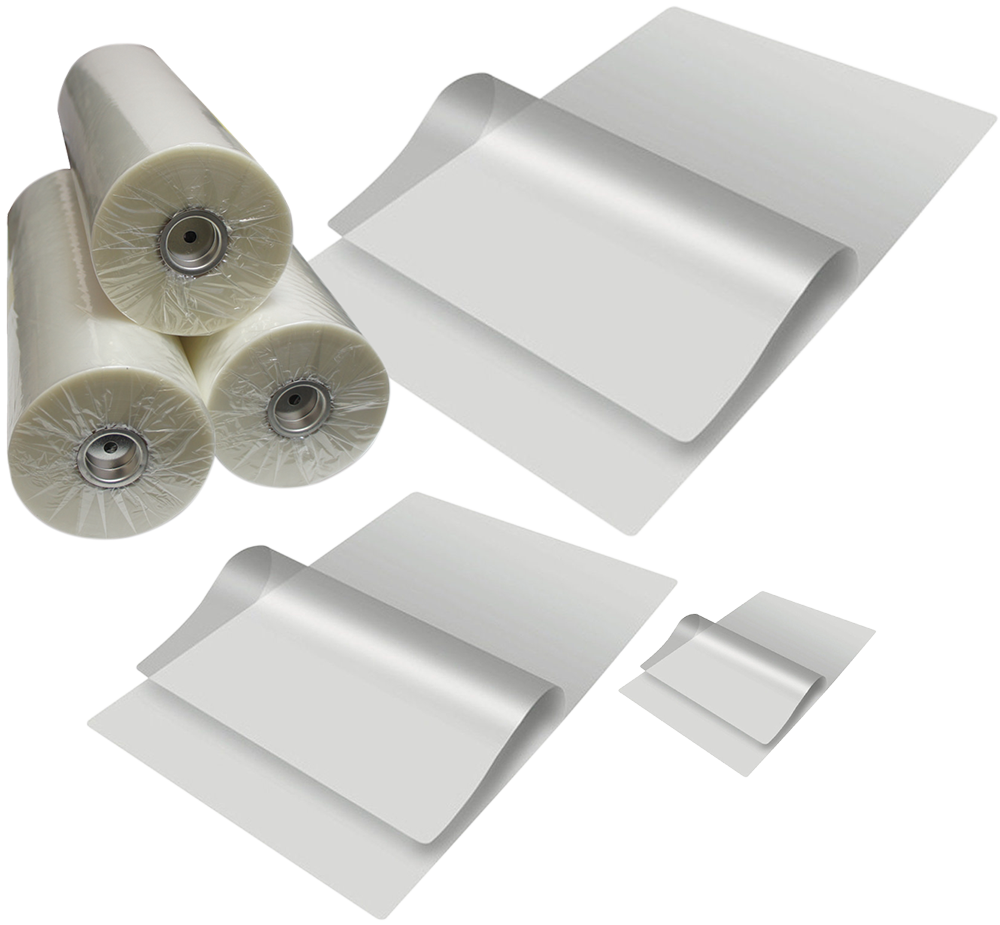
The lamination film itself – often available in rolls or laminating pouches – is available in various thicknesses and finishes, allowing printers to customize the level of protection and appearance based on the intended use of the product.

Common Applications of Lamination

Lamination is used in many types of printed materials across a variety of industries. Below are some of the most common applications:

Business Cards

Lamination adds a premium finish and helps protect the card from smudges, moisture, and everyday wear.

Brochures and Flyers

Provides enhanced colour contrast and prevents damage during distribution or mailing.

Menus

Particularly in the food service industry, laminated menus are resistant to spills, stains, and frequent handling.

Book Covers

Used to strengthen and protect covers from bending, scratching, or fading over time.

Educational Materials

Ideal for items like flashcards, wall charts, and teaching guides that are handled repeatedly.

Instruction Manuals

Extends the life of documents used in workshops, manufacturing facilities, or training environments.

Certificates and Diplomas

Prevents tearing, staining, and aging while giving the document a more polished appearance.

Packaging Labels

Used for boxes and containers to protect branding elements and product information from moisture or rough handling.

Event Badges and Passes

Enhances durability for passes used during multi-day conferences, concerts, or festivals.

Signage and Posters

Indoor and outdoor signs are laminated to resist fading and weather conditions.

Role in Printed Materials and Printing

Lamination serves several important roles in the performance and presentation of printed materials. These include enhancing durability, improving appearance, and increasing resistance to water, dust, and frequent handling. It also contributes to the perceived quality of printed items, which can be crucial in marketing, retail, and professional settings.

One of the key reasons businesses choose lamination is to ensure that their printed materials withstand repeated use without showing signs of wear. For example, a laminated menu in a restaurant is less likely to tear or stain than an unprotected one. Similarly, instructional manuals, training guides, or signage used in industrial or outdoor environments benefit from the added layer of protection.

Lamination also plays a branding role. When customers receive brochures, business cards, or product packaging that feels smooth and looks vibrant, it reflects positively on the brand. Laminated finishes make designs look more polished and professional, which helps build trust and establish a premium perception.

Best Laminators in 2025

If you’re looking for reliable equipment to support your lamination needs, here are some top options to consider:

Best Large Format Roll Laminators

For high-volume commercial printing, large-format roll laminators efficiently handle continuous sheets at a high speed. These machines are ideal for posters, banners, and packaging applications that require consistent output and high durability.

Best Pouch Laminators

Smaller-scale operations often use pouch laminators, which are designed for individual sheets or small batches. These machines work with laminating pouches and are commonly used in offices, schools, and small print shops.

Lamination remains a highly valuable print finishing technique, offering a balance between form and function. It not only protects printed materials from damage but also improves their aesthetic quality, contributing to better user experience and brand perception. From business cards and menus to signage and packaging, lamination plays a vital role in ensuring that printed materials stand the test of time. For printers, designers, and businesses alike, understanding where and how to apply lamination effectively can greatly enhance the value and impact of any printed project.

If you’re a business owner in the office, binding, printing or publishing industry, and you’re seeking the best print-finishing machine to enhance your operations, look no further. Our selection of high-quality equipment is designed to meet your specific needs. Whether you require the durability of binding, the versatility of cutters, or the cost-effective benefits of large-format printers, we have the right binding solution for you. Contact us today to explore our range of binding machines and take your business to the next level.
Tag: laminating pouch

Print Finishing 101: What is Lamination

In the printing world, creating visually appealing and long-lasting materials goes beyond high-quality design and vibrant ink. A key part of achieving that premium finish lies in the post-print stage, specifically in the finishing processes. Among these, lamination stands out as one of the most widely used and effective methods for enhancing both the look and durability of printed items. From business cards and book covers to menus and product packaging, lamination is crucial in protecting print from everyday wear and giving it a professional edge. This article explores lamination as a print finishing process—what it is, how it works, its benefits, and its broad applications.

What Is Lamination?

Lamination is the process of applying a thin layer of plastic film over printed materials to protect and enhance their surface. The film acts as a barrier that shields the ink and paper from moisture, dirt, grease, fingerprints, and physical wear such as scratches or tears. It also adds a smooth, often glossy or matte finish that enhances colour depth and overall presentation.

Lamination is available in several finishes:

  • Gloss: Offers a shiny, reflective look that makes colours appear more vibrant.
  • Matte: Provides a soft, non-reflective finish that reduces glare and gives a modern, elegant appearance.
  • Soft-touch: Delivers a velvety texture that adds a tactile, luxurious feel to the printed material.

The choice of laminate depends on both aesthetic preference and functional need, making it a versatile option for a wide variety of print projects.

How Lamination Works

The lamination process typically involves heat or pressure (or both) to bond the plastic film to the printed surface. There are two main types:

  • Thermal Lamination: The most common method, where the plastic film is coated with heat-activated adhesive. As the film passes through heated rollers, it melts slightly and adheres firmly to the paper.
  • Pressure-Sensitive (Cold) Lamination: This method uses films with adhesive that bonds to the paper without heat, often used for heat-sensitive materials or quick-turnaround projects.

The laminating film comes in different thicknesses, usually measured in microns or mils. Thicker films provide greater protection and rigidity, while thinner films are more flexible and cost-effective. These films are applied using a laminator, a machine that uses precise heat and pressure to ensure an even, bubble-free finish across the material.

Benefits of Lamination

Printfinish 4-in-1 Office Laminator LMTC402

Lamination offers a range of practical and aesthetic advantages that make it a popular choice for enhancing printed materials. Below are some of the key benefits:

1. Durability and Protection

The primary purpose of lamination is to protect printed materials from physical and environmental damage. Laminated items resist tearing, creasing, and smudging and are less susceptible to water or chemical spills. This makes lamination ideal for materials that are frequently handled, displayed outdoors, or exposed to challenging environments, such as restaurant menus, ID cards, instruction manuals, and product labels.

2. Improved Appearance

Lamination enhances visual appeal by intensifying colours, adding contrast, and giving the material a sleek finish. Glossy lamination brings out the vibrancy of colours and images, while matte finishes offer a subtle, high-end look. Soft-touch lamination, often used for luxury packaging and business cards, gives a unique tactile quality that adds sophistication and memorability.

3. Professionalism and Brand Perception

Professionally laminated materials convey quality and attention to detail. Whether it’s a business presentation folder, a product brochure, or a corporate ID badge, the smooth, protected surface signals that the content is valuable and the brand behind it is professional. For businesses, this small upgrade can help influence customer perceptions and boost brand credibility.

4. Water and Stain Resistance

Laminated materials are easier to clean and maintain. A quick wipe with a damp cloth can remove smudges, fingerprints, or food stains, making lamination ideal for items used in hospitality, retail, and healthcare industries.

5. Longevity and Cost Efficiency

While lamination adds to the initial cost of a print job, it can save money over time by reducing the need for reprints. Laminated materials have a much longer lifespan, maintaining their quality and integrity even after repeated use.

Common Applications of Lamination

Lamination is used across a wide range of industries and for various purposes. Some common applications include:

  • Business cards: Adds a premium finish and protects against edge wear.
  • Menus: Ensures resistance to spills and daily handling.
  • Instructional materials: Protect documents used in schools, workshops, or industrial settings.
  • Book covers and catalogues: Extends the life of printed materials with frequent use.
  • Posters and signage: Make visuals more durable for indoor and outdoor use.
  • Packaging: Provides a professional finish and barrier for product labels and cartons.
  • Certificates and IDs: Ensures security and longevity for official documents.

Laminated items can be produced using a wide variety of laminating pouches & rolls, depending on the size, thickness, and type of finish required.

Best Lamintors in 2025

If you’re looking for reliable equipment to support your lamination needs, here are some top options to consider:

Things to Consider

Although lamination offers many advantages, there are a few considerations to keep in mind:

  • Laminated paper is more difficult to recycle due to the plastic film, so it may not be the best option for sustainability-focused projects unless biodegradable laminates are used.
  • While relatively affordable, lamination does add to production costs. For large volumes or limited-use items, it may not be necessary.
  • Dark, solid colours or metallic inks can sometimes show imperfections more clearly after lamination, so designs should be tested beforehand.

Lamination is a highly effective print finishing process that protects printed materials and elevates their visual and tactile appeal. Whether you need to enhance durability, improve appearance, or create a more professional presentation, lamination offers a practical and versatile solution. With multiple finishes and thicknesses to choose from, it can be tailored to suit a variety of needs, from rugged instruction manuals to high-end product packaging. While it may add to the cost, the added value, longevity, and brand impact often make lamination a worthwhile investment in any quality print project.

If you’re a business owner in the office, binding, printing or publishing industry, and you’re seeking the best print-finishing machine to enhance your operations, look no further. Our selection of high-quality equipment is designed to meet your specific needs. Whether you require the durability of binding, the versatility of cutters, or the cost-effective benefits of large-format printers, we have the right binding solution for you. Contact us today to explore our range of binding machines and take your business to the next level.