
We Ship to North America Free Shipping for Many Products
Tag: vinyl printing

How to Prevent Common Vinyl Printing Problems

Vinyl printing is a versatile technique used across apparel, signage, and promotional products. It produces vibrant, durable designs. However, many new users encounter problems that affect quality. Understanding these challenges and their solutions can save time, materials, and money. This guide will help you identify, prevent, and fix common vinyl printing issues.

Quick Overview of Vinyl Printing

Vinyl printing uses cut or heat-transfer vinyl to apply designs to surfaces. The process often involves a vinyl cutter, heat press, and software for design layout. Users select vinyl based on durability, texture, and color. Heat or adhesive bonds the vinyl to the substrate. It works on fabrics, plastics, and other smooth surfaces. Vinyl printing offers sharp details and long-lasting results.

Choosing the Right Vinyl for Your Project

Selecting the wrong vinyl is a common source of issues. Start by understanding your project needs.

  • Consider the substrate. Fabric, metal, and plastic require specific vinyl types.
  • Check vinyl thickness. Thin vinyl may tear; thick vinyl may not press properly.
  • Match vinyl finish with project style. Glossy vinyl looks bright, while matte vinyl reduces glare.
  • Verify heat tolerance. Some vinyl shrinks or melts under high temperatures.

Choosing the right vinyl ensures proper adhesion, long-lasting designs, and a smooth workflow.

Proper Surface Preparation

A clean, smooth surface is essential. Dust, oils, or moisture can prevent proper adhesion.

  • Wipe surfaces with a lint-free cloth before applying vinyl.
  • Avoid using abrasive cleaners that may damage the substrate.
  • Test adhesion on a small, hidden area if unsure.
  • Allow surfaces to dry completely before pressing vinyl.

Proper surface preparation reduces peeling, bubbling, and uneven results.

Avoiding Air Bubbles and Wrinkles

Air bubbles and wrinkles reduce print quality and can lead to peeling. Prevent them during application.

  • Use a squeegee or scraper to apply vinyl smoothly.
  • Start pressing from the center and move outward to push air out.
  • Apply slow, steady pressure instead of quick smears.
  • For larger designs, work in sections to maintain even adhesion.

Smooth application improves durability and gives a professional appearance.

Proper Alignment and Placement

Misaligned vinyl creates uneven or off-center designs. Always plan placement carefully.

  • Use measurement tools like rulers or tape for accurate positioning.
  • Create a small guide mark on the substrate for alignment.
  • Consider symmetry and design orientation before pressing.
  • Check placement under good lighting to avoid errors.

Correct placement ensures professional results and reduces wasted material.

Cleaning and Maintenance of Tools

Dirty tools affect vinyl quality. Regular maintenance keeps equipment in top condition.

  • Clean cutting blades to prevent tearing or jagged edges.
  • Remove adhesive residue from heat press surfaces.
  • Check vinyl cutter calibration for accurate cuts.
  • Do regular maintenance on printers.

Proper tool maintenance reduces errors and increases efficiency.

Avoiding Stretching and Shrinking

Vinyl can stretch, shrink, or warp if applied incorrectly to hard or smooth surfaces. Proper handling prevents deformation and ensures a clean finish.

  • Avoid pulling or stretching vinyl when applying to curves or edges.
  • Apply slowly and evenly to prevent wrinkles or distortion.
  • Use the correct vinyl type for the surface material to prevent shrinkage.
  • Allow vinyl to settle and adhere fully before removing transfer tape.

Careful handling maintains sharp edges, smooth surfaces, and long-lasting adhesion.

Storage and Shelf Life of Vinyl

Vinyl quality decreases over time if stored improperly. Always follow storage recommendations.

  • Keep vinyl rolls in a cool, dry place.
  • Avoid direct sunlight, which can fade or warp vinyl.
  • Store rolls vertically to prevent flattening or creasing.
  • Maintain consistent temperature and humidity levels in storage areas.

Proper storage prevents brittle, discolored, or unusable vinyl.

Common Troubleshooting Tips

Even with careful preparation, issues can happen when applying vinyl. Knowing how to fix them saves time and materials.

  • If vinyl peels, ensure the surface is clean, dry, and smooth before application.
  • Remove air bubbles by gently lifting the vinyl and smoothing it with a squeegee or a soft card.
  • For tearing or jagged edges, check blade sharpness and cutting depth.
  • Uneven adhesion may require reapplying vinyl or using a stronger adhesive vinyl type.
  • Always test before completing large batches. Small errors early can become bigger problems.
  • Print test pieces to check temperature and pressure settings.
  • Inspect small details for proper adhesion and accuracy.
  • Make adjustments based on results before full production.
  • Document settings for repeatable, consistent results.

Quick troubleshooting keeps projects on schedule and maintains a professional appearance.

Top Uses for Vinyl Printing

Vinyl Cutting Products

Vinyl printing offers versatile, durable, and high-quality results, making it ideal for many creative and commercial projects. Its ability to produce vivid graphics and precise details makes it a popular choice across industries. Below are some of the top ways vinyl printing is applied:

Signage and Banners

Vinyl printing is widely used to create impactful banners and outdoor signs. Its bright colors and sharp graphics attract attention at events, trade shows, or promotional campaigns.

Vehicle Graphics

Businesses often use vinyl printing to design vehicle wraps. These wraps turn cars, vans, and trucks into moving advertisements while protecting the original paint from scratches and sun damage.

Custom Apparel

Vinyl prints are frequently applied to clothing such as hoodies, jerseys, and t-shirts. Sports teams, organizations, and individuals use them for personalization and team branding.

Home and Interior Décor

Vinyl decals can easily transform walls, furniture, and other surfaces. From inspirational quotes to detailed designs, vinyl adds style and personality to living spaces.

Window and Glass Graphics

Vinyl films with different opacity levels are used on windows for decorative or promotional purposes. They can provide privacy, display information, or enhance storefront aesthetics.

Stickers and Labels

Vinyl printing produces high-quality stickers and labels for products, packaging, or personal use. It ensures durability and sharp graphics for small or detailed designs.

Floor and Directional Graphics

Vinyl is ideal for floor graphics in retail stores, exhibitions, and events. These graphics guide foot traffic, highlight promotions, or create engaging visual effects.

Arts and Crafts

Artists and hobbyists use vinyl to create designs for scrapbooking, card making, and other creative projects. It allows for precision cutting and layering for intricate effects.

Safety and Instructional Signs

Weather-resistant vinyl is perfect for outdoor safety signs and workplace instructions. It can withstand harsh conditions while remaining readable and durable.

Branded Promotional Products

Vinyl can be applied to items like mugs, water bottles, and phone cases. These customized products are excellent for giveaways, events, and marketing campaigns.

The wide range of vinyl printing applications demonstrates its flexibility and value. From business advertising to home décor, vinyl printing enables creative, professional, and personalized solutions for countless projects.

Best Equipment for Vinyl Printing

Printers for Wide Format Printing 2

Regarding vinyl printing, precision, reliability, and versatility are key factors for achieving outstanding results. Roland DG Solutions offers a range of printers that excel in vinyl printing applications. Here are some of the best Roland DG printers for vinyl printing:

TrueVIS VG3 Series Printers/Cutters

TrueVIS VG3 Series Printers Cutters

The TrueVIS VG3-540 / VG3-640 Series Printers Cutters combine cutting-edge printing technology with precise cutting capabilities, delivering outstanding graphics and designs with vivid colours and exceptional precision.

Roland VersaSTUDIO BN2 Series Desktop Printer/Cutters

Roland VersaSTUDIO BN2 Series Desktop Printer/Cutters

The VersaSTUDIO BN2 Desktop Printer/Cutters offers a compact yet powerful solution for high-quality printing and precise cutting, making it perfect for small businesses and creative endeavours. Its versatile capabilities and user-friendly design make it an ideal choice for producing a variety of graphics and designs with exceptional detail and colour.

TrueVIS AP-640

Roland TrueVIS AP-640

The TrueVIS AP-640 blends the rapid drying and eco-friendly attributes of resin printing with the remarkable colour rendition, user-friendly operation, and dependable performance synonymous with TrueVIS Series printers

Roland Model LG-640 / LG-540 / LG-300

Roland Model LG-640 / LG-540 / LG-300

The Roland TrueVIS LG Series is designed to deliver high-quality UV printing on a variety of rigid and flexible substrates, allowing businesses to produce stunning graphics, signage, and promotional materials. With their advanced UV ink technology and precise printing capabilities, these printers offer exceptional colour accuracy, durability, and versatility, making them ideal for a wide range of applications in the graphics and printing industry.

MG Series UV Printer/Cutters – MG-300 / MG-640

MG Series UV Printer/Cutters - MG-300 / MG-640
MG Series UV Printer/Cutters – MG-300 / MG-640

The Roland TrueVIS MG Series are highly versatile machines that combine UV printing and precise cutting capabilities, making them ideal for a wide range of applications, including vinyl printing.

Vinyl printing is rewarding but requires careful attention to detail. Selecting the right vinyl, preparing surfaces, and using correct settings ensures high-quality results. Regular maintenance, testing, and safety precautions prevent common errors. By following these tips, users can produce professional designs consistently, reduce material waste, and maintain a smooth workflow. Success in vinyl printing depends on planning, precision, and patience.


If you’re envisioning a successful venture in the world of vinyl printing, look no further. PRINTFINISH is here to support your journey every step of the way. Let’s turn your vinyl printing business into a thriving reality. Contact us today to explore the endless possibilities that vinyl printing can offer your enterprise.

Tag: vinyl printing

Printing Custom Stickers for Branding

Effective branding is essential in the competitive business landscape for standing out and creating a lasting impression. One of the most affordable and creative ways to boost brand visibility is through custom stickers. These versatile marketing tools allow businesses to showcase their logos, slogans, and promotional messages visually appealingly. Whether used on product packaging, as giveaways, or for vehicle and window displays, custom stickers help businesses build brand recognition and engage with customers. This article explores the benefits of printing custom stickers for branding, the different types of stickers available, the printing process, and best practices to ensure high-quality results.

Why Use Custom Stickers for Branding?

Custom stickers offer businesses a simple yet highly effective way to promote their brand. Here’s why they are a valuable branding tool:

  1. Cost-Effective Marketing – Compared to other advertising methods, stickers are affordable to produce in bulk and can be distributed easily.
  2. High Brand Visibility – Stickers can be placed on various surfaces, from laptops and water bottles to cars and storefront windows, ensuring continuous exposure.
  3. Versatility – Available in various shapes, sizes, and finishes, custom stickers can be used for product packaging, event promotions, or guerrilla marketing campaigns.
  4. Customer Engagement – People love free stickers, and when they use them on their belongings, they help spread brand awareness organically.
  5. Long-Lasting Impact – Unlike digital ads that disappear, a well-placed sticker can continue to promote a brand for months or even years.

Types of Custom Stickers for Branding

Custom Stickers

Businesses can choose from various types of custom stickers based on their needs and target audience. Some of the most popular options include:

Vinyl Stickers

Vinyl stickers are durable, waterproof, and weather-resistant, making them ideal for outdoor use. They are often used for bumper stickers, car decals, and storefront signage.

Die-Cut Stickers

Die-cut stickers are custom-shaped to match the design, giving them a professional and polished look. These are great for handing out as promotional giveaways.

Clear Stickers

Printed on transparent vinyl, clear stickers create a sleek and modern look. They work well on glass surfaces like windows and product packaging.

Holographic Stickers

These eye-catching stickers have a shiny, reflective surface that changes colours under different lighting. They are perfect for trendy brands looking to attract attention.

Matte and Glossy Stickers

Matte stickers offer a soft, non-reflective finish, while glossy stickers have a shiny surface that enhances colours. Both options are popular for packaging and promotional use.

The Printing Process for Custom Stickers

The quality of custom stickers depends on the printing process. Businesses should choose professional printing services that use high-quality materials and printing techniques. The main steps involved in printing custom stickers are:

1. Design Creation

A strong design is crucial for effective branding. Businesses should use high-resolution images, clear typography, and brand colours to create visually appealing stickers. Graphic design software like Adobe Illustrator, Photoshop, or Canva can be used to design custom stickers.

2. Choosing the Right Material

Vinyl is the most popular material for custom stickers due to its durability. However, businesses can also choose paper-based stickers for eco-friendly packaging or limited-time promotions.

3. Selecting the Printing Method

There are several printing methods used for custom stickers, including:

Digital Printing – Ideal for short-run orders and full-color designs.
Screen Printing – Produces vibrant and long-lasting stickers, often used for bulk printing.
UV Printing – Uses UV light to cure the ink, making it more durable and resistant to fading.

4. Cutting and Finishing

Stickers can be cut in various ways, such as kiss-cut (leaving the backing intact) or die-cut (trimmed to shape). Lamination can also be added for extra protection, especially for outdoor stickers.

Best Practices for Printing High-Quality Custom Stickers

To ensure the best results when printing custom stickers for branding, businesses should follow these best practices:

  • Use High-Resolution Graphics – Blurry or pixelated stickers can harm a brand’s image. Always use 300 DPI (dots per inch) resolution for sharp, clear prints.
  • Choose Colors Wisely – Stick to brand colours to maintain consistency across marketing materials. Using CMYK colour mode ensures accurate colour reproduction during printing.
  • Consider the Sticker’s Purpose – Think about where the sticker will be placed. For outdoor use, opt for waterproof and UV-resistant vinyl. For indoor use, paper-based stickers might be a more cost-effective choice.
  • Order Samples Before Bulk Printing – Before committing to a large order, request samples to check the quality, colour accuracy, and material durability.
  • Use Professional Printing Services – While DIY sticker printing is an option, professional printing companies offer better print quality, durable materials, and precise cutting options.

Using Large Format Printing for Custom Stickers

Printers for Wide Format Printing 2

For businesses that need oversized stickers for storefront displays, vehicle branding, or large promotional signs, large format printing is the best option. This technique allows for high-resolution, large-scale stickers without losing print quality.

Some Benefits of Large Format Printing for Branding Stickers:

  • Maintains colour vibrancy and sharp details, even for large designs.
  • Ideal for oversized window decals, vehicle wraps, or promotional banners.
  • Large format printed stickers use UV-resistant inks, ensuring they last in outdoor environments.
  • Companies that want to make a bold statement can use large format vinyl stickers for branding on walls, floors, and vehicles, maximizing brand exposure in high-traffic areas.

Custom stickers are an affordable, versatile, and highly effective way for businesses to strengthen their branding efforts. Whether used for product packaging, promotional giveaways, vehicle branding, or storefront advertising, stickers help businesses engage with customers and increase brand visibility.

By using high-quality printing techniques and materials, businesses can ensure their stickers are durable, visually appealing, and long-lasting. Additionally, large format printing allows companies to create bold branding displays that leave a lasting impression.

Investing in custom stickers for branding is a smart marketing move that delivers high impact at a low cost, making them an essential tool for businesses of all sizes.

Are you in the process of starting or expanding your large format printing business and in need of expert guidance on purchasing the right printing machine? Look no further! Our team of industry experts is here to provide you with valuable insights and expert opinions to help you make the best decision for your business. Contact us today for a personalized consultation and let us help you make the right investment for your business’s growth and prosperity.

Tag: vinyl printing

FAQ’s About Vinyl Printing (Part 1)

Vinyl printing is a versatile and widely used technique that has transformed industries from advertising and apparel to home decor and vehicle customization. While it offers numerous creative and practical applications, many have questions about the process, materials, and best practices. Whether you’re a business owner looking to create promotional materials or an individual interested in DIY projects, understanding the nuances of vinyl printing can help you make informed decisions. This article addresses frequently asked questions about vinyl printing, covering everything from the types of vinyl and printing techniques to tips for achieving professional results and maintaining printed products.

What is Vinyl Printing?

Vinyl printing is a process that involves creating designs on vinyl material using specialized printers and techniques. Depending on the application, the designs can be printed directly onto vinyl or cut into specific shapes using cutting machines. Known for its durability, versatility, and vibrant results, vinyl printing is widely used for creating products such as stickers, decals, banners, apparel, and signage. This method is valued for its ability to produce high-quality graphics suitable for both indoor and outdoor use.

Different Types of Ink Used for Vinyl Printing

The most common types of ink used for vinyl printing are eco-solvent inks, UV-curable inks, and latex inks. Eco-solvent inks are popular for their durability and weather resistance, making them ideal for outdoor applications. UV-curable inks dry instantly under UV light and provide excellent colour vibrancy and adhesion. Latex inks are water-based, eco-friendly, and versatile, suitable for a wide range of surfaces while offering vibrant, durable results.

Are There Different Types of Vinyl?

Printable vinyl comes in various types, tailored to specific applications. Adhesive vinyl is commonly used for stickers, decals, and signage, with permanent or removable adhesive options. Heat transfer vinyl (HTV) is designed for fabrics and applied using heat, making it ideal for apparel and textiles. Cast vinyl is thin, flexible, and durable, suited for long-term outdoor use such as vehicle wraps. Calendered vinyl, thicker and less expensive, is better for short- to medium-term projects like indoor signage. Each type offers unique properties to meet diverse creative and commercial needs.

Are Vinyl Stickers Waterproof?

Yes, vinyl stickers are waterproof. They are made from durable vinyl material and are often coated with a protective layer that resists water, moisture, and humidity. This makes them ideal for outdoor applications, such as on vehicles, water bottles, or windows. However, the level of waterproofing can depend on the quality of the vinyl and the type of adhesive used, so choosing high-quality materials is essential for maximum durability.

What is the Difference Between Vinyl Stickers and Other Types of Stickers?

Vinyl stickers are made from durable vinyl material, making them more weather-resistant, waterproof, and long-lasting than paper-based or standard stickers. They are ideal for outdoor use, as they can withstand exposure to sunlight, rain, and abrasion without fading or peeling. Other stickers, like paper or laminate stickers, may lack durability and are better suited for indoor, and short-term applications. Additionally, vinyl stickers often feature vibrant colours and smooth finishes, available in glossy, matte, or transparent options, while standard stickers may have a less polished appearance.

What Surfaces Can Vinyl Stickers Be Applied To?

Vinyl stickers can adhere to a wide range of smooth, clean surfaces. Common surfaces include glass, metal, plastic, painted wood, and ceramic. They are often used on car windows, laptops, water bottles, walls, and storefront displays. Some specialized vinyl stickers can even stick to slightly textured surfaces. For the best results, ensure the surface is clean, dry, and free of dust or grease before application.

How Long Can Vinyl Stickers Last?

Vinyl stickers can last anywhere from 3 to 7 years or more, depending on the quality of the vinyl, the type of adhesive, and the conditions they are exposed to. High-quality, outdoor-grade vinyl stickers with UV-resistant coatings can endure harsh weather, sunlight, and moisture for several years without fading or peeling. Indoor vinyl stickers typically last longer since they face less wear and environmental stress. Proper application and maintenance, such as cleaning the surface before sticking and avoiding harsh scrubbing, can further extend their lifespan.

Can Vinyl Stickers Be Cut?

Yes, vinyl stickers can be cut into various shapes and sizes to suit specific designs or applications. Using tools like vinyl cutting machines (e.g., Cricut or Silhouette) or professional cutting plotters, you can achieve precise cuts for intricate patterns, logos, or text. This process, known as die-cutting or kiss-cutting, allows the sticker to be customized while keeping the backing intact for easy application. Cutting vinyl stickers is common for decals, labels, and creative projects, offering flexibility in design and use.

Roland DG Solutions offer one of the best large format vinyl cutters in the market, the CAMM-1 GR2 Series Large Format Vinyl Cutters. You can read more about our article about the production introduction of CAMM-1 GR2 Vinyl Cutters.

Are Car Stickers and Car Decals Vinyl Stickers?

Yes, both car stickers and car decals are types of vinyl stickers, but they differ slightly in design and application.

  • Car Stickers: These are typically printed on adhesive vinyl and can feature a wide range of designs, shapes, and sizes. They are often used for decorative purposes or short-term promotions and are easy to apply and remove.
  • Car Decals: While also made of vinyl, decals are usually more durable and designed for long-term use. They often involve precision-cut designs with no background, giving a clean and professional look. Decals are commonly used for branding, vehicle wraps, or intricate graphics.

In essence, both are vinyl stickers, but their purpose, design complexity, and durability can vary depending on the intended use.

Are Vinyl Printing Produce Only Stickers?

No, vinyl printing does not only produce stickers. While stickers are one of the most popular products, vinyl printing can create a wide range of other items. Vinyl is a versatile material that can be used for several applications, including:

  • Decals: Custom-cut vinyl graphics for vehicles, windows, walls, and other surfaces.
  • Banners and Signs: Large-scale graphics for advertising or event displays.
  • Labels: Product labels that are durable and resistant to water and wear.
  • Apparel: Heat transfer vinyl (HTV) is used to create designs for clothing, such as custom T-shirts, hats, and bags.
  • Window Clings: Vinyl decals that can adhere to glass surfaces without leaving residue, often used for temporary promotions.
  • Floor Graphics: Durable vinyl prints that are applied to floors for advertising or decoration.
  • Wall Murals: Large vinyl prints used for wall decoration in homes or businesses.

Vinyl printing is highly adaptable, and the final product can range from small stickers to large-scale installations, depending on the needs of the project.

If you’re envisioning a successful venture in the world of vinyl printing, look no further. PRINTFINISH is here to support your journey every step of the way. Let’s turn your vinyl printing business into a thriving reality. Contact us today to explore the endless possibilities that vinyl printing can offer your enterprise.

Tag: vinyl printing

Printing 101: Tips for Successful Vinyl Printing

Vinyl printing has become a versatile and popular method for creating custom designs on various surfaces, from banners and signs to car decals and home decor. Known for its durability, vibrant colours, and adaptability, vinyl printing caters to businesses, event organizers, and individuals seeking creative ways to express themselves or promote their brand. However, achieving professional results requires knowledge, preparation, and tools. This article provides essential tips for mastering vinyl printing, including choosing the right materials, preparing designs, using the right equipment, and ensuring long-lasting results.

What Is Vinyl Printing?

Vinyl printing involves transferring designs onto vinyl material using specialized printers and techniques. This method is commonly used to create vibrant, durable graphics for various applications, including stickers, decals, banners, signs, and apparel. Depending on the desired outcome, the vinyl material is either printed with eco-solvent or UV inks or cut into shapes using cutting machines. Known for its weather resistance and versatility, vinyl printing is popular for both indoor and outdoor uses, offering high-quality, long-lasting results.

Tips to Achieve Quality Vinyl Printing

1. Choose the Right Type of Vinyl

Selecting the right type of vinyl is crucial for the success of your project. Different types of vinyl are suited for various applications:

  • Adhesive Vinyl: Best for stickers, decals, and outdoor signage. Available in permanent and removable options, adhesive vinyl works well on smooth surfaces such as glass, plastic, and metal.
  • Heat Transfer Vinyl (HTV): Ideal for fabrics and textiles. HTV is applied using heat and pressure, making it perfect for custom T-shirts, hats, and bags.
  • Cast vs. Calendered Vinyl: Cast vinyl is thinner, more durable, and suited for long-term outdoor use, such as vehicle wraps. Calendered vinyl is thicker and better for short- to medium-term indoor projects.

2. Use High-Quality Design Software

Creating a high-resolution design is the foundation of great vinyl printing. Use professional graphic design software like Adobe Illustrator, CorelDRAW, or Silhouette Studio to ensure crisp, detailed designs. Always save your design in a vector format (e.g., SVG, AI, or EPS) to maintain quality during scaling.

When designing:

  • Clean, bold designs work best, especially for small-scale prints like stickers or decals.
  • Ensure the design colours contrast well with the background to make it stand out.
  • Use grids and guides to align text and images properly.

3. Calibrate Your Printer

TrueVIS Vinyl Printing

Proper calibration of your printer is essential to ensure colour accuracy and print quality. Use a test print to check for alignment, resolution, and colour consistency before starting a large batch.

Eco-Solvent or UV Printers are the best for vinyl printing as they provide waterproof, fade-resistant prints with vibrant colours. Make sure to use the correct resolution, drying time, and ink density based on the type of vinyl you’re using.

4. Prepare the Vinyl Properly

Before printing, ensure the vinyl is clean, dust-free, and flat to avoid imperfections in the final output. Any dirt or creases on the vinyl can affect the adhesion and quality of the print. Trim the material to fit your printer or cutting machine to avoid waste. Before committing to a large print, run a small test print to confirm the quality and ensure the ink adheres properly.

5. Invest in a Quality Cutting Machine

A cutting machine is essential for precision when working with vinyl. Tools like Cricut, Silhouette, or professional-grade cutting plotters ensure clean, accurate cuts for intricate designs.

Note: Make sure to adjust the blade depth, speed, and pressure based on the thickness of your vinyl. After cutting, use weeding tools to remove unwanted vinyl pieces from the design for a polished look.

6. Ensure Proper Application

Applying vinyl to the intended surface correctly is just as important as the printing process itself.

  • Remove dirt, dust, and grease from the application area to ensure the vinyl adheres well.
  • For decals and intricate designs, transfer tape helps align and place the vinyl accurately on the surface.
  • Use a squeegee or application tool to smooth out the vinyl, eliminating air bubbles and ensuring strong adhesion.

7. Use Protective Coatings

For outdoor applications, consider using a laminate or clear coat to protect the vinyl from UV rays, scratches, and weather damage. Laminating your vinyl print not only increases its lifespan but also enhances its appearance with a glossy or matte finish.

8. Avoid These Common Mistakes

Vinyl printing can be challenging, especially for beginners. Here are some common pitfalls to avoid:

  • Using the Wrong Vinyl Type – Make sure the vinyl matches the intended surface and purpose (e.g., don’t use HTV on a hard surface).
  • Skipping Test Prints – Always print a sample before starting a large project to catch any issues early.
  • Ignoring Temperature Settings – If using HTV, set the correct temperature and pressure on your heat press to avoid damaging the vinyl or fabric.

9. Maintain Your Equipment

Regular maintenance of your printer and cutting machine ensures consistent quality and prevents breakdowns. Clean Your Printer Heads since residue buildup can affect print quality; clean the heads regularly. Dull cutting blades can result in uneven cuts, so replace them as needed. Keep your vinyl in a cool, dry place to prevent warping or adhesive degradation.

10. Experiment and Learn

Don’t be afraid to experiment with different techniques, materials, and finishes to find what works best for your projects. Vinyl printing is a skill that improves with practice, and staying up to date with industry trends and innovations will help you stay ahead.

Final Products Through Vinyl Printing

Vinyl printing produces a wide range of custom products tailored to specific needs. Some of the common final products include:

  • Car decals
  • Promotional stickers
  • Wall graphics
  • Window displays
  • Event signage.

It also creates heat-transfer vinyl (HTV) designs for apparel such as T-shirts, hats, and bags. Businesses use vinyl-printed materials for branding and advertising, while individuals enjoy using them for home decor and personal projects. These products are valued for their durability, vibrant colours, and adaptability to various surfaces and applications.

Vinyl printing offers endless possibilities for creative and commercial projects, from custom stickers and decals to promotional banners and apparel. By following these tips—choosing the right materials, ensuring accurate design and print settings, and mastering the application process—you can achieve professional-quality results every time. With practice, patience, and the right tools, vinyl printing can become a rewarding and profitable venture for both beginners and seasoned creators.

If you’re envisioning a successful venture in the world of vinyl printing, look no further. PRINTFINISH is here to support your journey every step of the way. Let’s turn your vinyl printing business into a thriving reality. Contact us today to explore the endless possibilities that vinyl printing can offer your enterprise.

Tag: vinyl printing

Printing 101: What is a Car Sticker?

Car stickers have long been a popular tool for personalization, advertising, and creative expression. From small bumper stickers to intricate graphics covering a vehicle’s side, they are versatile, cost-effective, and easy to apply. They serve a wide range of purposes, from promoting businesses to showing off hobbies and affiliations. For businesses, car stickers transform vehicles into mobile advertisements, reaching a broader audience wherever they go. For individuals, they provide a unique way to showcase personality and interests. This article delves into the various aspects of car stickers, including what they are, their uses, how they differ from decals, and their significance in different contexts.

What Are Car Stickers?

Car stickers are adhesive graphics made from durable materials, such as vinyl, specifically designed to be applied to vehicles. They can adhere to a variety of surfaces, including windows, bumpers, and body panels, making them versatile for different purposes. Car stickers are available in numerous shapes, sizes, and designs, ranging from simple text to intricate graphics.

Modern car stickers are printed using high-quality techniques that ensure vibrant colours and durability against weather conditions. They typically feature UV-resistant coatings, allowing them to withstand prolonged sun exposure without fading. The adhesive used is strong enough to keep the sticker in place yet removable without causing damage to the car’s surface.

But, What Is a Car Decal?

car decal

A car decal is a specific type of adhesive graphic designed for vehicles, often made from premium-grade vinyl. Decals are usually larger, more durable, and often designed for professional applications or long-term use. Unlike stickers, which may have a printed background, decals are often precision-cut to leave only the design or text, creating a clean, seamless appearance once applied.

Car decals are commonly used for branding commercial fleets, adding decorative elements to personal vehicles, or creating large-scale advertisements. They are built to withstand harsh weather conditions, including UV rays, rain, and snow, making them ideal for outdoor use.

Difference Between Car Stickers and Car Decals

While both car stickers and decals are used for vehicle graphics, they differ in purpose, durability, and design:

  • Size and Complexity: Car stickers are typically smaller and come in a variety of shapes, whereas decals are often larger and cut precisely to fit specific areas, such as a vehicle door or window.
  • Application and Longevity: Stickers are easier to apply and are often used for temporary purposes, while decals require more precision during application and are designed for long-term use.
  • Material Quality: Decals are made from higher-grade vinyl with stronger adhesives, making them more durable and resistant to weather conditions compared to stickers.

Uses of Car Stickers

Car stickers have applications in both professional and personal contexts:

  • Businesses use car stickers to create mobile advertisements. By displaying company logos, contact details, and promotional messages, vehicles become moving billboards, increasing brand visibility.
  • Individuals use car stickers to showcase their personalities, interests, and affiliations. These can include humorous messages, sports team logos, or artistic designs.
  • Organizations often use car stickers for temporary promotions, awareness campaigns, or events, such as election campaigns or product launches.
  • Car stickers can also serve practical purposes, such as displaying parking permits, maintenance reminders, or safety instructions.

5 Benefits of Using Car Stickers

Custom Stickers

Car stickers are a favourite among businesses and individuals for several reasons:

  1. Cost-Effective: Printing and applying car stickers is affordable compared to other advertising methods.
  2. Customizable: Stickers can be designed in various sizes, shapes, and colours to fit unique preferences or branding needs.
  3. Easy to Apply: Car stickers are straightforward to apply and remove, making them an ideal choice for temporary or frequently changing designs.
  4. Versatile: They can be applied to different surfaces of a vehicle, including windows, bumpers, and panels.
  5. Expressive: For individuals, car stickers provide a fun and creative outlet to showcase identity and interests.

Best Printer to Use to Print Car Stickers

Printers for Wide Format Printing 2

Roland DG Solutions currently has a diverse array of top-tier printers ideally tailored for crafting superior car decals. Renowned for their precision, durability, and vibrant colour output, these wide-format printers stand as industry favourites, ensuring impeccable results for all your printing needs. Here are some of the best printers to use:

  • TrueVIS VG3 Series Printers/Cutters
    The TrueVIS VG3-540 / VG3-640 Series Printers Cutters combine cutting-edge printing technology with precise cutting capabilities, delivering outstanding graphics and designs with vivid colours and exceptional precision.
  • Roland VersaSTUDIO BN2 Series Desktop Printer/Cutters
    Offers a compact yet powerful solution for high-quality printing and precise cutting, making it perfect for small businesses and creative endeavours. Its versatile capabilities and user-friendly design make it an ideal choice for producing a variety of graphics and designs with exceptional detail and colour.
  • TrueVIS AP-640
    Blending the rapid drying and eco-friendly attributes of resin printing with the remarkable colour rendition, user-friendly operation, and dependable performance synonymous with TrueVIS Series printers
  • Roland Model LG-640 / LG-540 / LG-300
    Designed to deliver high-quality UV printing on a variety of rigid and flexible substrates, allowing businesses to produce stunning graphics, signage, and promotional materials. With their advanced UV ink technology and precise printing capabilities, these printers offer exceptional colour accuracy, durability, and versatility, making them ideal for a wide range of applications in the graphics and printing industry.

Additionally, the Roland CAMM-1 GR2 Series of vinyl cutters can seamlessly complement these printers by providing precise and intricate cutting capabilities for decals and graphics.

Car stickers offer a creative, versatile, and affordable way to personalize vehicles, promote brands, and share messages. While car decals provide a more durable and professional option for larger-scale or long-term applications, stickers remain an excellent choice for those seeking temporary or personal solutions. With advancements in printing technology and the availability of customizable designs, car stickers continue to be a favorite for businesses and individuals alike. Whether for advertising or self-expression, car stickers are a dynamic medium that makes vehicles more than just a mode of transportation—they become a canvas for creativity and communication.

Are you ready to take your vehicle wrapping and car decal business to the next level? Explore the exceptional range of Roland DG printers and unlock the potential of your creative ideas. Our expert team is here to guide you through the process, from choosing the perfect printer to optimizing your workflow for outstanding results. Don’t miss out on the opportunity to stand out in the industry and offer your customers stunning vehicle transformations. Contact us today to explore how Roland DG printers can drive your business forward.

Tag: vinyl printing

Printing 101: Basic Guide to Vinyl Printing

Vinyl printing has become a popular choice across various industries, from advertising and marketing to crafting and personalization. It offers a wide range of possibilities for creating vibrant graphics, signage, custom apparel, decals, and much more. Whether you’re a business owner looking to enhance your branding, a DIY enthusiast eager to unleash your creativity, or simply someone interested in understanding the world of vinyl printing, this guide is your roadmap to success.

In this guide, we’ll delve into the fundamentals of vinyl printing, exploring the equipment you’ll need, and the various applications that this technology empowers. Whether you’re a newcomer or a seasoned professional, you’ll find valuable insights and practical tips to help you navigate the exciting world of vinyl printing. So, let’s embark on this journey together and unlock the endless possibilities that vinyl printing can offer. Whether you’re planning to start a business, elevate your hobbies, or simply gain a deeper appreciation for this remarkable printing technique, you’re in the right place. 

What is Vinyl Printing?

Vinyl printing is a versatile and popular digital printing method that involves transferring high-quality designs, images, or text onto vinyl sheets or rolls. It’s a highly customizable and precise process that has found applications across various industries. At its core, vinyl printing utilizes cutting-edge technology, including large-format inkjet printers and computer-aided design software, to create intricate and vibrant graphics.

The process typically begins with designing or selecting the desired artwork on a computer. This design is then digitally transferred to a specialized printer, like an Eco-Solvent printer or a UV printer, which precisely applies ink onto the vinyl material. The Tex-art printers are made for heat transfer (dye sublimation) media.

The ink adheres to the vinyl surface, creating a durable and long-lasting print. After the printing is complete, the vinyl can be further customized through vinyl cutting machines that precisely trim the material to the desired shape or size. This level of customization makes vinyl printing suitable for a wide range of applications, including creating eye-catching banners, vivid vehicle wraps, personalized clothing, striking signage, and much more. The durability, versatility, and striking visual appeal of vinyl prints have made this method a favourite among businesses, artists, and hobbyists alike, offering a fantastic way to bring creativity to life.

Best Equipment for Vinyl Printing
Printers for Wide Format Printing 2

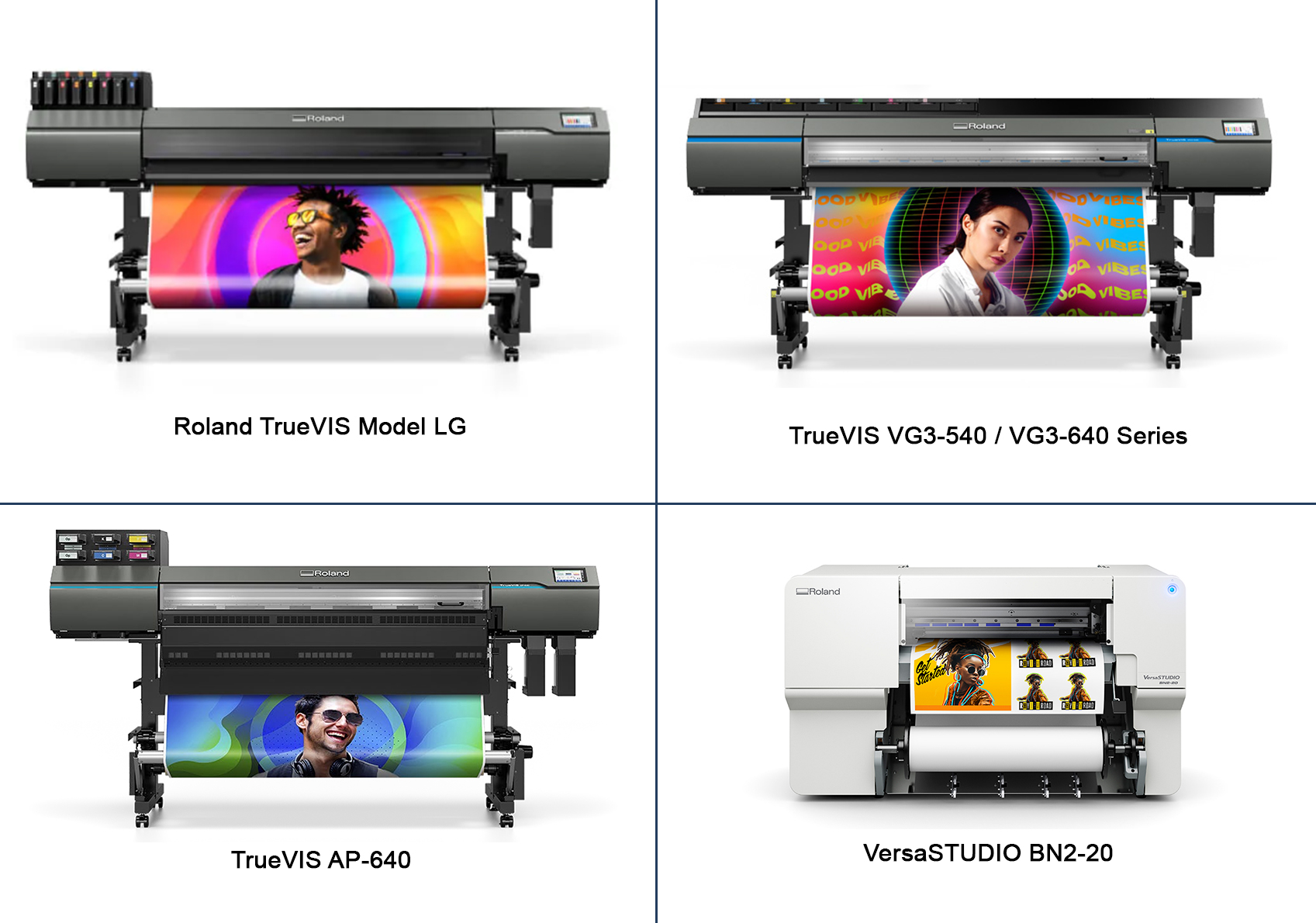
Regarding vinyl printing, precision, reliability, and versatility are key factors for achieving outstanding results. Roland DG Solutions offers a range of printers that excel in vinyl printing applications. Here are some of the best Roland DG printers for vinyl printing:

TrueVIS VG3 Series Printers/Cutters

TrueVIS VG3 Series Printers Cutters

The TrueVIS VG3-540 / VG3-640 Series Printers Cutters combine cutting-edge printing technology with precise cutting capabilities, delivering outstanding graphics and designs with vivid colours and exceptional precision.

Roland VersaSTUDIO BN2 Series Desktop Printer/Cutters

Roland VersaSTUDIO BN2 Series Desktop Printer/Cutters

The VersaSTUDIO BN2 Desktop Printer/Cutters offers a compact yet powerful solution for high-quality printing and precise cutting, making it perfect for small businesses and creative endeavours. Its versatile capabilities and user-friendly design make it an ideal choice for producing a variety of graphics and designs with exceptional detail and colour.

TrueVIS AP-640

Roland TrueVIS AP-640

The TrueVIS AP-640 blends the rapid drying and eco-friendly attributes of resin printing with the remarkable colour rendition, user-friendly operation, and dependable performance synonymous with TrueVIS Series printers

Roland Model LG-640 / LG-540 / LG-300

Roland Model LG-640 / LG-540 / LG-300

The Roland TrueVIS LG Series is designed to deliver high-quality UV printing on a variety of rigid and flexible substrates, allowing businesses to produce stunning graphics, signage, and promotional materials. With their advanced UV ink technology and precise printing capabilities, these printers offer exceptional colour accuracy, durability, and versatility, making them ideal for a wide range of applications in the graphics and printing industry.

MG Series UV Printer/Cutters – MG-300 / MG-640

MG Series UV Printer/Cutters - MG-300 / MG-640
MG Series UV Printer/Cutters – MG-300 / MG-640

The Roland TrueVIS MG Series are highly versatile machines that combine UV printing and precise cutting capabilities, making them ideal for a wide range of applications, including vinyl printing.

Best Applications of Vinyl Printing

Vinyl printing finds its best applications in a variety of industries and creative endeavours due to its versatility, durability, and high-quality output. Here are some of the best applications of vinyl printing:

  • Signage and Banners: Vinyl printing is widely used in the production of eye-catching outdoor signage, banners for events and trade shows, and other advertising campaigns. The vibrant colours and sharp graphics make vinyl signage an effective way to capture attention.
  • Vehicle Wraps: One of the most popular uses of vinyl printing is creating vehicle wraps. It allows businesses to turn their vehicles into mobile billboards, advertising their services while on the move. Vehicle wraps also protect the underlying paint from scratches and UV damage.
  • Custom Apparel: Vinyl printing is perfect for customizing clothing items like t-shirts, hoodies, and jerseys. It’s a favourite among individuals, sports teams, and organizations for creating personalized merchandise.
  • Home Décor: Vinyl decals and wall art have become a trendy way to decorate homes. From inspirational quotes to intricate designs, vinyl prints can transform plain walls, furniture, and accessories into stylish decor.
  • Window Graphics: Vinyl films with various degrees of opacity are used for window graphics. They can provide privacy, display promotions, or enhance the aesthetics of storefronts.
  • Stickers and Labels: Vinyl printing is ideal for producing high-quality stickers, labels, and decals.
  • Floor Graphics: Vinyl graphics on floors are commonly used in retail environments, exhibitions, and events to guide customers, promote products.
  • Art and Crafts: Artists and craft enthusiasts use vinyl printing to create intricate designs for scrapbooking, card making, and other creative projects.
  • Safety Signage: Vinyl is durable and weather-resistant, making it suitable for outdoor safety signs, including those for construction sites, roadways, and industrial facilities.
  • Promotional Items: Vinyl decals can be applied to promotional items like mugs, water bottles, and phone cases, creating branded merchandise for giveaways and promotions.

The versatility of vinyl printing, combined with the ability to produce detailed and vibrant prints, makes it a valuable tool for businesses and individuals looking to make a visual impact or add a personalized touch to various products and spaces.

Tips and Reminders on Vinyl Printing

When venturing into vinyl printing, it’s essential to keep a few quick tips and reminders in mind:

  • Choose the Right Vinyl: Select the appropriate type of vinyl for your specific application. Pressure-sensitive vinyl, heat transfer vinyl, window graphics vinyl, and other varieties each have unique characteristics suited to different purposes.
  • Use Quality Ink from Manufacturer: Roland results in reliable colour across various types of viny media and other media such as banners, etc. Using the factory ink also ensures warranty claims should it arise. Most printer manufacturers void the warranty if the user chooses after-market ink.
  • Design Considerations: Ensure your designs are appropriately sized and formatted for vinyl printing. Vector graphics are preferred for sharp, crisp results, and remember to mirror your designs for heat transfer applications.
  • Surface Preparation: Clean and prepare the printing surface thoroughly. Any dust, dirt, or oils can affect adhesion and print quality.
  • Colour Accuracy: Calibrate your printer to achieve accurate colour reproduction. Test prints are valuable to ensure the colours match your expectations.
  • Using Accurate Color Profiles: Ensure accurate colour reproduction, and lay down the correct amount of ink to ensure also proper drying times.
  • Weeding and Masking: When using adhesive vinyl, take your time to weed (remove excess material) and apply transfer tape for precise placement and easy application.
  • Heat and Pressure Settings: If using heat transfer vinyl, follow the manufacturer’s guidelines for heat and pressure settings.
  • Test Cuts: Before cutting a full design, perform test cuts to ensure the settings are correct and that the vinyl is loaded correctly.
  • Lamination: Consider laminating printed vinyl for added protection against UV rays, abrasion, and the elements, especially for outdoor applications.
  • Application Techniques: Use application tools like squeegees for smooth, bubble-free application of vinyl onto surfaces.
  • Environmental Factors: Be aware of environmental conditions like temperature and humidity, as they can affect vinyl adhesion and application.
  • Maintenance: Regularly clean and maintain your printer and cutting equipment to ensure consistent performance.
  • Storage: Store unused vinyl rolls in a cool, dry place, ideally in their original packaging, to prevent damage or deformation.
  • Safety Precautions: If using heat transfer vinyl, be cautious with heat press machines and follow safety guidelines to avoid burns.

In conclusion, vinyl printing offers a world of creative possibilities for businesses and individuals alike. Whether you’re crafting eye-catching signs, producing vibrant vehicle graphics, or adding custom decals to your products, vinyl printing provides the flexibility and quality needed to bring your ideas to life. By choosing the right media, staying informed about the latest tips and techniques, and investing in top-notch equipment like the Roland DG printers, you can take your vinyl printing endeavours to the next level. So, let your imagination run wild, and let vinyl printing be your creative canvas for stunning, high-impact designs.

If you’re envisioning a successful venture in the world of vinyl printing, look no further. PRINTFINISH is here to support your journey every step of the way. Let’s turn your vinyl printing business into a thriving reality. Contact us today to explore the endless possibilities that vinyl printing can offer your enterprise.