We Ship to North America Free Shipping for Many Products
Tag: printing business

How to Fix Common Large Format Printing Issues

Large format printing is widely used for banners, signage, posters, wall graphics, and displays. It allows businesses to produce bold visuals that attract attention and support branding efforts. However, large format printing also comes with technical challenges that can affect print quality, production speed, and costs. Understanding how to solve these common issues helps reduce waste, improve consistency, and maintain professional results. This article explains practical solutions to the most frequent problems encountered in large format printing.

What Is Large Format Printing

large format printing

Large format printing is a printing process designed for oversized materials beyond standard printer sizes. It uses specialized printers that handle wide media and high-resolution output. These printers work with materials such as vinyl, canvas, fabric, paper, and rigid boards. Industries like advertising, retail, construction, and events rely on large format printing for visual communication and promotion.

Improving Image Resolution Issues

Low image resolution is a common issue when printing large graphics. Solving this problem starts with proper file preparation.

  • Use high-resolution images suitable for large-scale output.
  • Avoid enlarging small images beyond their original size.
  • Request original design files instead of compressed images.
  • Check resolution before printing to prevent pixelation.

Clear and sharp images ensure professional-looking prints at any size.

Fixing Colour Inconsistency Problems

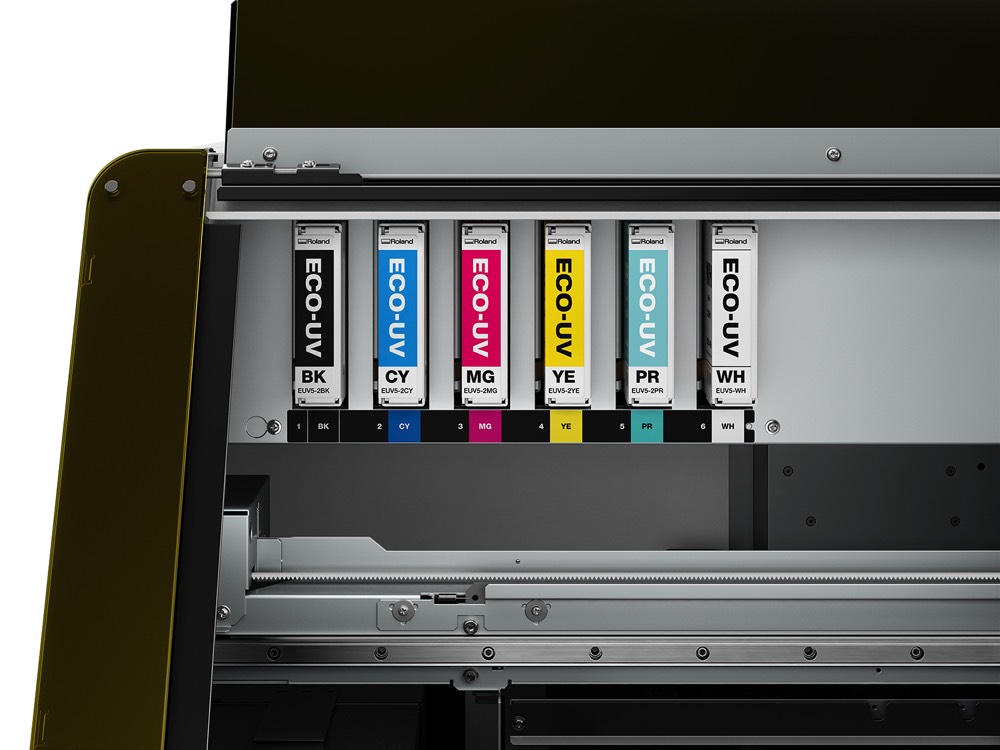
Roland Eco-UV Ink Cartridges

Colour differences between screen and print can frustrate both printers and clients. Correct colour management helps achieve accurate results.

  • Convert files from RGB to CMYK before printing.
  • Calibrate monitors regularly to match print output.
  • Use correct ICC colour profiles for each printer and media.
  • Perform test prints to verify colour accuracy.

Consistent colour control improves brand reliability and visual appeal.

Preventing Banding and Streaking

Banding and streaking reduce print quality and signal printer issues. Regular maintenance and correct settings help prevent these defects.

  • Clean print heads according to manufacturer guidelines.
  • Adjust print speed settings for smoother ink distribution.
  • Use recommended ink and media combinations.
  • Run nozzle checks before starting large print jobs.

These steps help maintain smooth and even print output.

Reducing Ink Smudging and Bleeding

Ink smudging and bleeding occur when ink fails to dry or adhere properly. Adjusting materials and environment solves this issue.

  • Select ink types compatible with the chosen media.
  • Reduce ink density when printing on absorbent materials.
  • Allow sufficient drying or curing time before handling prints.
  • Control humidity levels in the printing area.

Proper ink control ensures clean edges and sharper designs.

Solving Media Feeding Problems

Printer - Paper Jamming

Media feeding issues cause misalignment and wasted materials. Proper setup and handling reduce these problems.

  • Load media straight and secure it correctly.
  • Adjust tension settings based on material thickness.
  • Inspect rollers for dirt or wear regularly.
  • Store media rolls properly to prevent warping.

Correct feeding ensures accurate and consistent print alignment.

Choosing Compatible Materials

Material compatibility directly affects print quality and durability. Using the right materials prevents many common failures.

  • Match ink types with approved media surfaces.
  • Test new materials before full production runs.
  • Avoid low-quality substrates that absorb ink unevenly.
  • Follow manufacturer recommendations for media use.

Compatible materials improve colour vibrancy and print lifespan.

Preventing Ink Clogging and Print Head Damage

Ink clogging reduces output quality and increases maintenance costs. Preventive care keeps print heads functioning properly.

These practices extend print head life and improve consistency.

Correcting File Setup and Scaling Errors

File setup mistakes lead to incorrect sizing and cut-off designs. Proper preparation avoids costly reprints.

  • Set the correct document size and scale before exporting files.
  • Include bleed and crop marks when required.
  • Outline fonts to prevent text issues.
  • Double-check dimensions against final output size.

Accurate file setup saves time and materials.

Managing Drying and Curing Time

Slow drying can delay production and damage finished prints. Planning and environmental control reduce curing problems.

  • Allow recommended drying time for each ink type.
  • Avoid stacking prints immediately after printing.
  • Maintain proper airflow around printed materials.
  • Adjust ink limits to reduce excessive ink buildup.

Controlled drying ensures clean and durable prints.

Controlling Environmental Conditions

Temperature and humidity affect both printers and materials. Managing the print environment improves reliability.

  • Maintain stable temperature levels in the print room.
  • Keep humidity within recommended ranges.
  • Reduce dust and airborne particles near printers.
  • Use climate control systems when necessary.

A stable environment supports consistent print quality.

Improving Finishing and Installation Results

Poor finishing reduces the value of large format prints. Careful handling improves the final presentation.

  • Apply lamination evenly to prevent bubbles.
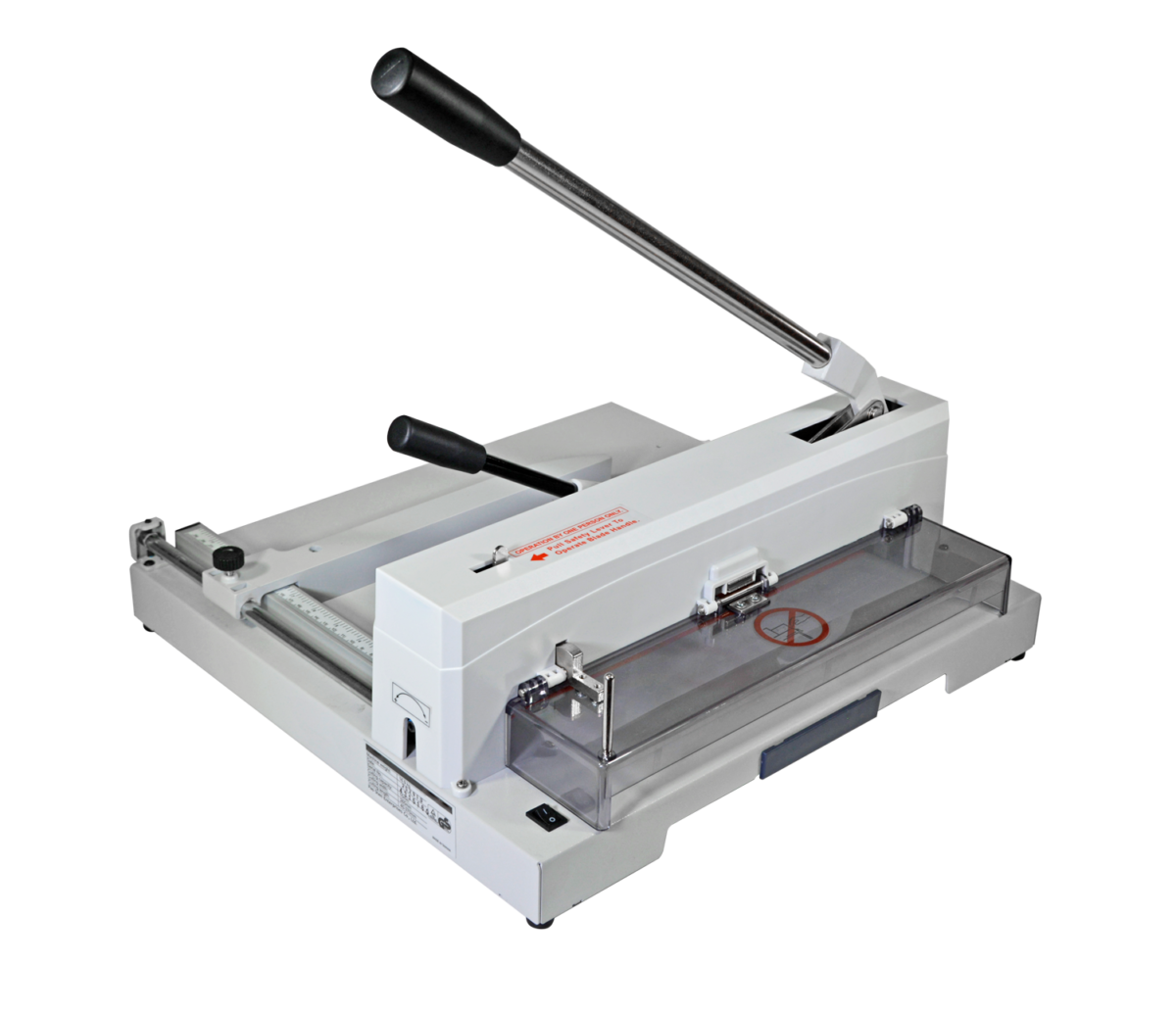
  • Use proper cutting tools for clean edges.
  • Choose adhesives suited to the installation surface.
  • Train installers on correct mounting techniques.

Good finishing enhances durability and visual impact.

Maintaining Large Format Printing Equipment

Roland TrueVIS Pro XP-640

Regular maintenance prevents breakdowns and production delays. A consistent care routine improves machine performance.

  • Follow scheduled maintenance tasks from the manufacturer.
  • Inspect parts for wear and replace them early.
  • Clean internal components regularly.
  • Keep maintenance logs for tracking issues.

Proper upkeep reduces downtime and repair costs.

Managing Costs and Reducing Waste

Large format printing can become expensive without proper control. Smart planning helps reduce unnecessary expenses.

  • Perform test prints before full production.
  • Monitor ink usage and adjust settings.
  • Reuse leftover materials when possible.
  • Schedule jobs efficiently to reduce setup waste.

Cost management improves profitability and efficiency.

Improving Workflow and Quality Control

A smooth workflow reduces errors and delays. Clear processes improve output consistency.

  • Standardize file preparation procedures.
  • Assign quality checks at each production stage.
  • Document settings for repeat jobs.
  • Communicate clearly with clients about requirements.

Strong workflows ensure reliable and repeatable results.

Solving common issues in large format printing requires attention to preparation, equipment, materials, and environment. Problems such as colour inconsistency, banding, media feeding errors, and ink issues can be minimized through proper setup and maintenance. By following best practices and preventive measures, businesses can improve print quality, reduce waste, and meet production deadlines. With the right approach, large format printing becomes a dependable and effective solution for visual communication.


Are you in the process of starting or expanding your large format printing business and in need of expert guidance on purchasing the right printing machine? Look no further! Our team of industry experts is here to provide you with valuable insights and expert opinions to help you make the best decision for your business. With a deep understanding of the large format printing industry, we can assist you in selecting the ideal printing machine that meets your specific requirements and budget. Contact us today for a personalized consultation and let us help you make the right investment for your business’s growth and prosperity.

Tag: printing business

Printing High-Quality T-Shirts Using Printers

T-shirt printing has become a major part of the clothing and promotional products industry. Printers make it possible to produce high-quality designs faster and with less effort compared to traditional methods. This has opened opportunities for small businesses, apparel brands, and individuals who want to create unique, custom-made garments. In this article, we will discuss garment printing, the main types of t-shirt printing, how the process works, and the best printers in 2025.

What is Garment Printing

Garment printing is the process of applying designs onto clothing using different printing technologies. It is used for fashion, promotional items, uniforms, sportswear, and even custom gifts. The process can be adapted to different fabrics, order sizes, and design styles. The goal is to produce prints that are visually appealing and durable enough to withstand repeated use and washing.

Different Types of T-Shirt Printing

There are several ways to print designs on t-shirts. Each method has its strengths and limitations, making it suitable for different needs.

Here are the most common types of t-shirt printing:

  1. Screen Printing – Uses a mesh stencil to press ink onto the fabric. Ideal for bold designs and large runs.
  2. DTF (Direct-to-Film) Printing – Prints a design onto a special film, applies adhesive powder, and transfers it to the shirt using heat. Works well on cotton, polyester, blends, and more.
  3. DTG (Direct-to-Garment) Printing – Sprays ink directly onto the garment. Produces high-resolution, full-colour designs with smooth gradients.
  4. Heat Transfer Vinyl (HTV) – Cuts designs from vinyl sheets and applies them with a heat press. Best for lettering and simple graphics.
  5. Sublimation Printing – Transfers dye into polyester fabrics for vibrant, long-lasting prints. Not suitable for cotton garments.

DTF vs DTG Printing

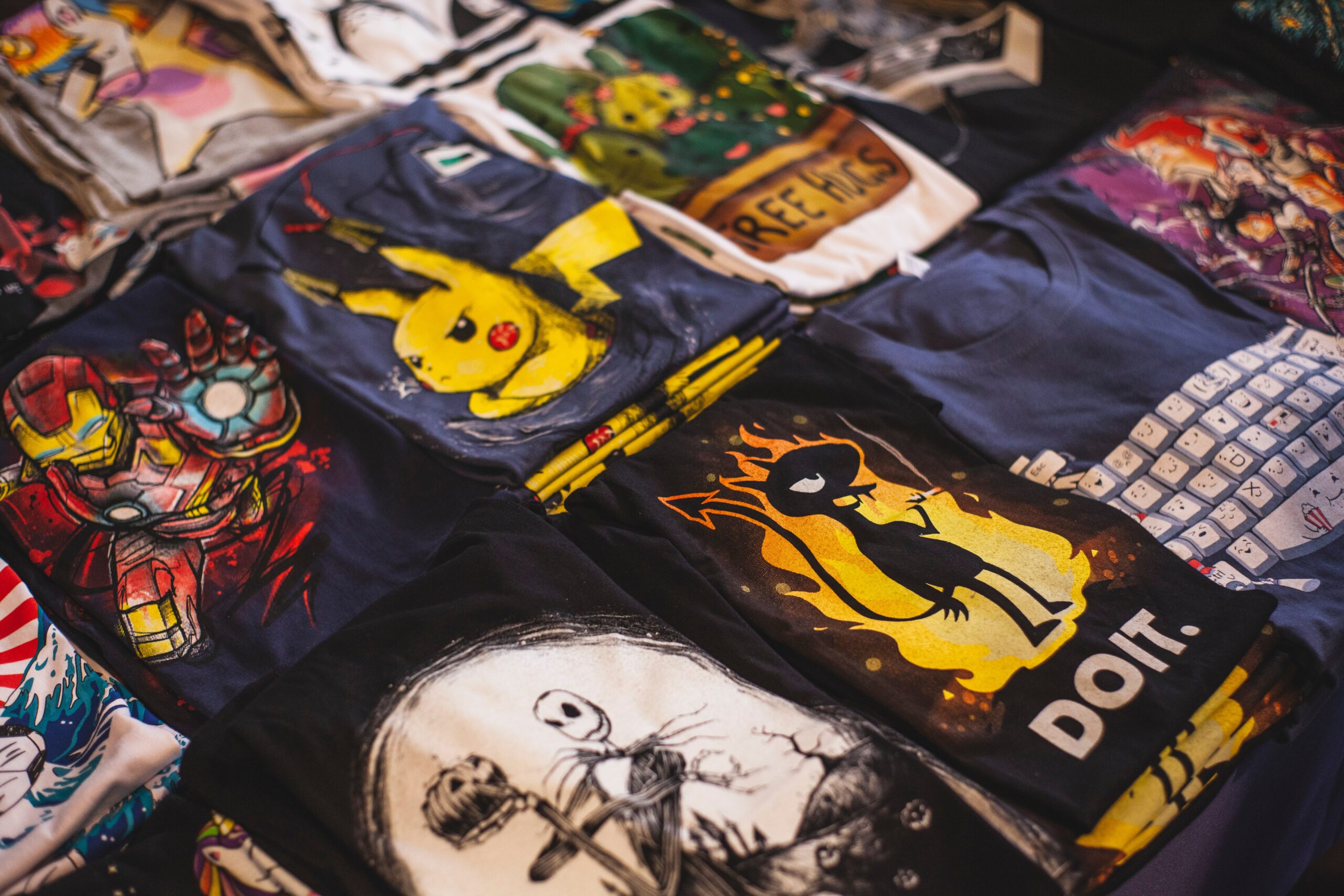
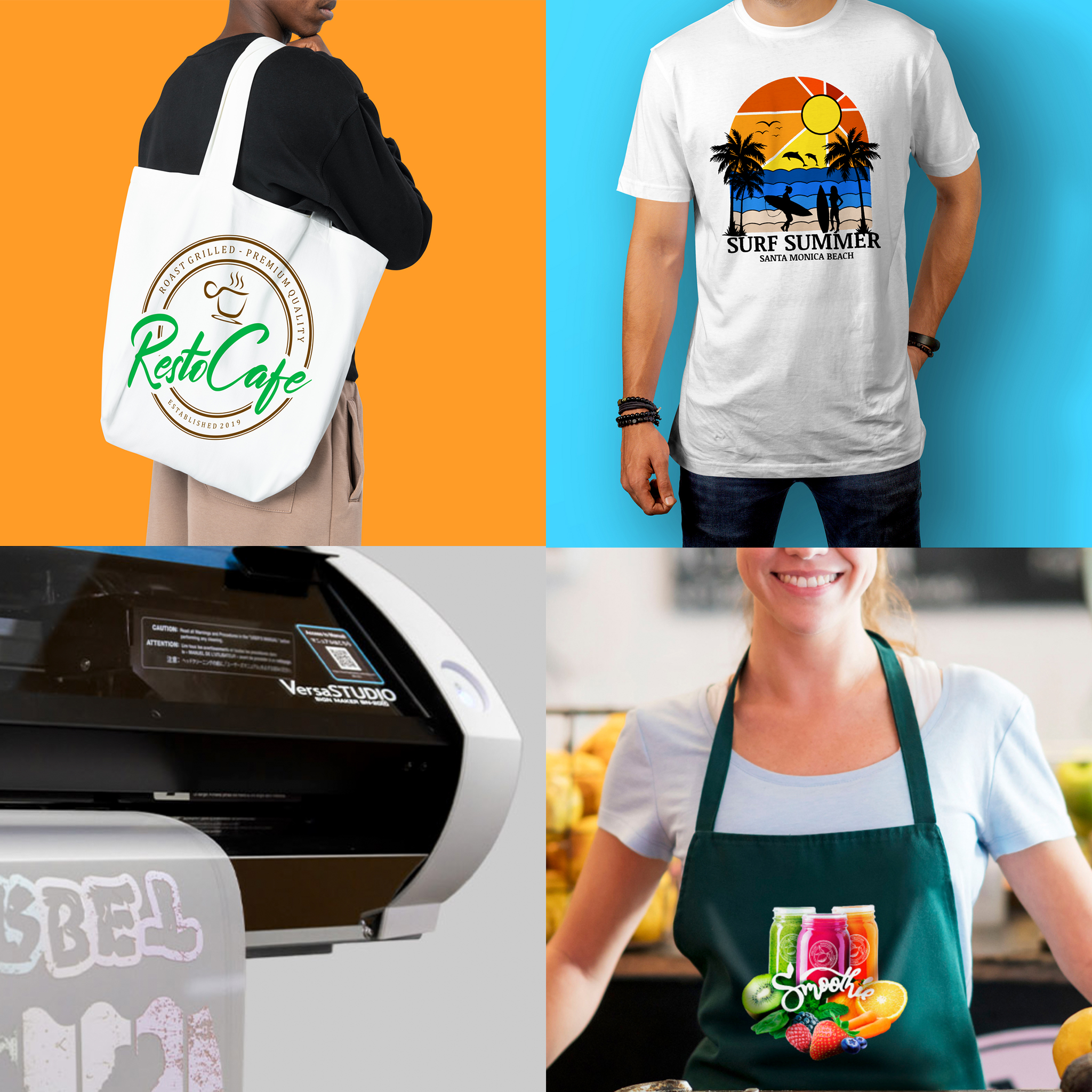
Printed T-Shirts

Direct-to-Film and Direct-to-Garment printing are both popular in the custom apparel industry, but they work in different ways and are suited for different needs.

DTF printing is more versatile when it comes to fabric types. Since the design is printed onto film first, it can be transferred to cotton, polyester, blends, denim, and other materials. The print sits on top of the fabric, which gives it a slightly textured feel but also makes it more durable in certain conditions. DTF prints are resistant to cracking and can withstand frequent washing. This method is also more cost-effective for small runs because there is less setup time and no need for pretreatment on most fabrics.

DTG printing produces a softer feel because the ink soaks directly into the fibres of the garment. It is excellent for high-detail designs, gradients, and photographic prints. However, DTG works best on 100% cotton and requires pretreatment for dark garments. It is ideal for customers who prioritize a natural fabric feel and high-resolution imagery. On the downside, DTG may not be as durable as DTF when it comes to heavy wear, especially.

In short, DTF is the better choice for all-around fabric compatibility, durability, and production flexibility, while DTG excels in producing vibrant, soft, and highly detailed prints on cotton garments. Businesses often choose based on the type of apparel they sell and their customers’ expectations.

Further reading:

14 Most Frequently Asked Questions About DTG Printing

9 Most Frequently Asked Questions about Direct-to-Film Printing

T-Shirt Printing Process

T-shirt printing with printers follows a series of steps to ensure the design looks professional and lasts a long time. The process differs slightly between DTF and DTG, but the basic flow is similar.

Here is the step-by-step process:

  1. Create Your Design – Use graphic design software to make your artwork. Make sure the image is high resolution, in the correct colour format (usually RGB for design, converted to CMYK for printing), and sized exactly for the shirt area.
  2. Prepare the Printer – For DTF, load the printer with DTF ink and the correct type of transfer film. For DTG, load the garment directly onto the printer’s platen and ensure it is flat and secure. Always check ink levels and run a nozzle test before printing.
  3. Print the Design – In DTG, the printer sprays ink directly onto the fabric, creating a smooth and detailed print. In DTF, the printer applies the design onto a special PET film, often printing a white base layer first, followed by colour layers.
  4. Apply Adhesive Powder (DTF Only) – While the print on the film is still wet, evenly coat it with hot melt adhesive powder. Shake off excess powder to avoid uneven transfers.
  5. Cure or Dry the Print – For DTG, use a heat press or curing tunnel to set the ink into the fibres. For DTF, use a curing oven or heat press without pressure to melt the adhesive powder and prepare it for transfer.
  6. Transfer to the Shirt (DTF) – Position the cured DTF film on the shirt. Use a heat press at the recommended temperature and time to bond the design to the fabric. Peel the film carefully, following either a hot or cold peel method depending on the film type.
  7. Final Inspection – Check the print for correct placement, sharpness, and colour accuracy. Ensure there are no smudges, ink bleeding, or peeling edges. Once approved, fold, package, or ship the finished garment.

Best DTF and DTG Printers in 2025

Currently, advanced DTF and DTG printers have made it easier for businesses to produce high-quality t-shirt prints quickly. These printers combine speed, colour accuracy, and ease of use to meet the demands of both small and large production setups.

Two standout models this year are the Roland VersaStudio BY-20 and the Roland DTF Printer TY-300.

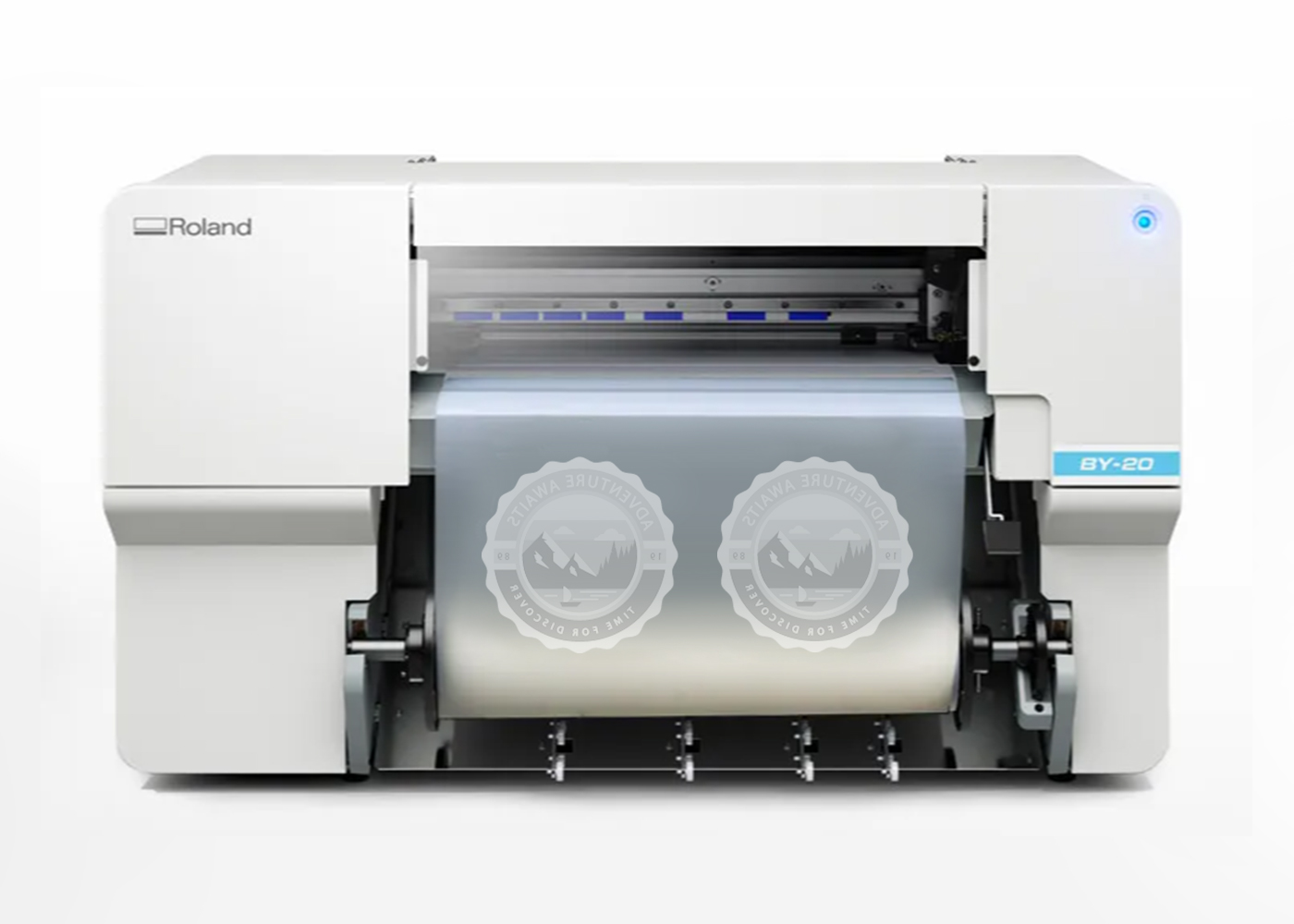
VersaSTUDIO BY-20
VersaSTUDIO BY-20

Roland DG has released the latest and most innovative Direct-to-Film printer, the Roland VersaStudio BY-20. It’s a highly versatile desktop device ideal for a range of direct-to-film apparel applications, such as creating custom T-shirts, sportswear, tote bags, and more. With its compact design, it is even perfect for small businesses that have small production space.

DTF TY-300 Printer
Roland DTF Printer TY-300

Another latest DTF printer is the Roland DTF Printer TY-300. It is a high-performance direct-to-film printer that produces vibrant graphics on various materials, including cotton and polyester. Create custom apparel and textiles with DTF technology that delivers bright colours, sharp text, and fine details while saving time and costs.

Further reading:

Investing in a Direct-to-Garment (DTG) Printing Business

8 Reasons to Invest in a Direct-to-Film Printing Business

T-shirt printing using printers has transformed custom apparel production. Whether you choose DTF for its flexibility and durability or DTG for its soft, high-detail prints, both methods offer professional-quality results. With the right equipment, such as the Roland VersaStudio BY-20 or the Roland TY-300, businesses can produce consistent, high-quality prints that meet customer expectations. The future of garment printing is more accessible than ever, opening opportunities for entrepreneurs, designers, and established apparel brands to create and sell unique products.

For business owners looking to venture into the world of garment printing or upgrade their existing equipment, the future of customized apparel is at your fingertips. Explore our range of cutting-edge DTF printing machines that can help you unlock new opportunities, streamline production, and stand out in the market. Contact us today to learn more about the best DTG solutions tailored to your specific needs.

Tag: printing business

How to Start a Digital Printing Business

In the digital age, personalized and on-demand printing is more in demand than ever before. From business cards and brochures to custom T-shirts, mugs, and banners, digital printing services are sought by businesses, events, and individuals alike. Starting a digital printing business can be a profitable venture, provided you plan wisely and execute effectively. Here’s a comprehensive guide to help you get started.

What is Digital Printing

Digital printing is a modern method of printing that transfers digital images directly onto various media surfaces without the need for traditional printing plates. Unlike offset printing, which involves a more complex setup, digital printing uses advanced inkjet or laser printers to produce high-quality prints quickly and efficiently. This technology is ideal for short runs, customized designs, and on-demand production, making it popular for printing everything from business cards and flyers to custom apparel, packaging, and promotional materials. Its speed, flexibility, and cost-effectiveness make digital printing a cornerstone of today’s print industry.

Key Steps to Launch Your Digital Printing Business

Starting a digital printing business requires more than just owning a printer—it involves thoughtful planning, the right equipment, and a clear strategy. Before diving into production, it’s important to lay a strong foundation by understanding your market, defining your services, and preparing your workspace and materials. Here are the essential steps to help you get started on the right foot.

1. Understand the Market

Before diving in, it’s essential to understand the digital printing industry. Research current trends, target audiences, and key service demands in your area. Are local businesses in need of marketing materials? Is there a market for custom apparel or merchandise? Will you cater to walk-in customers, businesses, or online shoppers?

Identify your niche early—corporate branding, event merchandise, personalized gifts, or marketing materials. Choosing a niche allows you to tailor your services and marketing strategies effectively.

2. Create a Business Plan

Every successful business starts with a solid plan. Your digital printing business plan should cover:

  • Business name and structure (sole proprietorship, LLC, etc.)
  • Services offered (e.g., T-shirt printing, flyers, posters, banners)
  • Target market
  • Pricing strategy
  • Startup and operating costs
  • Marketing and sales strategies
  • Revenue projections

A clear plan helps secure financing, keeps you focused, and guides your business development.

3. Choose the Right Equipment

Your equipment determines your service range and quality. Here are the common tools and machines you’ll need:

  • Digital printers (inkjet or laser for paper materials)
  • DTG (Direct-to-Garment) printer for custom apparel
  • Heat press machine for transfer printing
  • Cutting machines for stickers and decals
  • Laminators and binding machines for finishing services
  • A computer with design software like Adobe Illustrator or CorelDRAW

Invest in reliable, scalable equipment. If budget is a concern, consider buying refurbished machines or starting with a narrower range of services.

4. Set Up Your Workspace

Depending on your business model, you may work from a home studio, small office, or storefront. Your space should be:

  • Well-ventilated, especially when using inks and heat presses
  • Organized, with designated areas for printing, finishing, and packaging
  • Accessible, if you plan to accept walk-in customers

Ensure you comply with local zoning and safety regulations, and get any necessary permits.

5. Source Quality Materials

The quality of your prints depends on the materials you use—paper, fabric, ink, and substrates. Work with reputable suppliers to ensure consistency. Some factors to consider:

  • Paper weight and finish (glossy, matte, etc.)
  • Ink compatibility with printers
  • Fabric quality for apparel
  • Specialty materials like vinyl, canvas, or plastic

Buy in bulk for cost efficiency, but test samples first to ensure compatibility with your equipment.

6. Build an Online Presence

In today’s market, having an online presence is essential. Develop a professional website where customers can view products, request quotes, and place orders. Include:

  • A portfolio of past work
  • Service descriptions
  • An online store if offering e-commerce
  • Contact details and customer service information

Social media is another powerful tool. Use platforms like Instagram, Facebook, and TikTok to showcase your work, share behind-the-scenes content, and engage with potential clients.

7. Market Your Services

Effective marketing can make or break a new business. Combine online and offline strategies:

  • Local SEO and Google My Business listings
  • Flyers and brochures for nearby businesses
  • Email marketing to build customer loyalty
  • Referral programs to encourage word-of-mouth
  • Networking at trade shows, fairs, and business events

Tailor your marketing to your niche. If you’re targeting small businesses, emphasize fast turnaround, branding consistency, and bulk discounts.

8. Offer Excellent Customer Service

Customer satisfaction leads to repeat business and referrals. Ensure:

  • Clear communication during order taking
  • Timely delivery and accurate prints
  • Responsive customer support
  • Flexible customization options

Consider offering free design templates or small add-ons to enhance perceived value.

9. Keep Learning and Innovating

The digital printing industry evolves rapidly. Stay updated with:

  • New printing technologies
  • Design trends and colour theory
  • Software updates
  • Sustainability practices like eco-friendly inks and papers

Take feedback seriously and look for opportunities to improve. Innovation helps you stay ahead of the competition.

10. Scale at Your Own Pace

Once your business is running smoothly, explore ways to expand:

  1. Add new services like embroidery, laser engraving, or large-format printing
  2. Offer design services or partner with freelance designers
  3. Hire staff to increase output and customer handling
  4. Open additional locations or expand online

Make sure growth aligns with customer demand and your capacity to deliver quality consistently.

Starting a digital printing business combines creativity, technology, and entrepreneurship. With the right equipment, planning, and dedication, you can build a successful business that caters to a wide range of personal and professional printing needs. Focus on quality, stay customer-oriented, and continue learning to thrive in this dynamic industry.

Are you seeking cutting-edge digital printers that combine speed, precision, and versatility to meet the demands of today’s dynamic market? Look no further. Explore our range of state-of-the-art digital printers that promise not just efficiency but a transformative printing experience. Contact us today and discover how our advanced solutions can take your business to new heights.

Tag: printing business

Premium Labels for Premium Products

In the competitive world of product marketing, first impressions matter. A product’s label is often the first thing a customer notices, which plays a crucial role in influencing purchasing decisions. For high-end products, premium labels convey quality, exclusivity, and brand identity. Whether for luxury cosmetics, gourmet foods, fine wines, or high-end fashion, premium labels enhance a product’s perceived value and set it apart from competitors. This article explores the importance of premium labels, the key elements that make a label stand out, and how businesses can leverage high-quality label printing to elevate their brand.

Why Premium Labels Matter

Premium labels do more than just provide product information—they communicate a brand’s story, values, and positioning. A well-designed label can evoke emotions, build trust, and create a sense of exclusivity. Here’s why investing in premium labels is crucial for high-end products:

  • Brand Differentiation: In industries where multiple brands offer similar products, a premium label helps distinguish a product from competitors. A sophisticated, high-quality private label signals that the product is superior.
  • Enhanced Perceived Value: Luxury products must look and feel luxurious. A premium label with high-end materials and finishes adds to the overall product experience, making it more appealing to customers.
  • Customer Loyalty: Consumers are more likely to repurchase products that feel exclusive and well-crafted. A premium label reinforces the perception of quality and reliability, fostering brand loyalty.
  • Shelf Appeal and Marketing Impact: A visually stunning label attracts attention on store shelves or online marketplaces. It serves as a silent salesman, drawing customers in and persuading them to choose the product.

Key Elements of a Premium Label

print packaging

Creating a premium label requires careful attention to design, material selection, and printing techniques. The following elements contribute to a high-end, visually appealing label:

1. High-Quality Materials

The material of a label plays a significant role in its overall appeal. Premium labels are often printed on:

  • Textured paper: Adds a tactile element that enhances the perception of luxury.
  • Metallic or foil materials: Reflects light and gives a high-end aesthetic.
  • Transparent or clear films: Offers a sleek and modern look, often used in cosmetics and beverages.
  • Soft-touch finishes: Provides a velvety feel, commonly used in luxury packaging.

2. Elegant Typography

Typography conveys the brand’s personality and should be chosen carefully. For premium labels:

  • Serif fonts exude tradition and sophistication.
  • Script fonts add a touch of elegance and exclusivity.
  • Minimalist sans-serif fonts can create a modern and high-end aesthetic.
  • Custom lettering or embossed text enhances uniqueness.

3. Unique Finishing Techniques

Premium labels often include several finishing techniques that add depth and sophistication, such as:

  • Foil Stamping: Adds a metallic shimmer for a luxurious effect.
  • Embossing/Debossing: Creates raised or recessed text and graphics for a tactile experience.
  • UV Spot Coating: Highlights specific design elements with a glossy or matte finish.
  • Edge Foiling: Applies metallic edges for an elegant touch.

4. Custom Shapes and Die-Cuts

Instead of standard rectangular or circular labels, custom die-cut shapes enhance uniqueness. Unique label shapes are especially effective in premium packaging, making products more memorable and visually distinct.

5. Sustainable and Eco-Friendly Features

Luxury and sustainability now go hand in hand. Many premium brands opt for eco-friendly label materials, including:

  • Recycled or biodegradable paper.
  • Soy-based or water-based inks.
  • FSC-certified materials that promote responsible sourcing.

Industries That Benefit from Premium Labels

Several industries rely on premium labels to enhance their products’ appeal and communicate exclusivity:

1. Wine, Spirits, and Craft Beverages

High-end wines, whiskeys, and craft beers use premium labels to convey authenticity and heritage. Textured paper, gold foil, and embossed lettering enhance the luxurious feel.

2. Cosmetics and Skincare

Luxury beauty brands invest in sleek, sophisticated labels with minimalist designs, soft-touch finishes, and metallic elements to create an upscale appearance.

3. Gourmet Food and Specialty Products

Artisan chocolates, truffle-infused oils, and organic teas use premium labels to highlight their high-quality ingredients and craftsmanship. Elegant packaging builds trust with discerning customers.

4. Perfumes and Fragrances

Fragrances often come in elaborately designed bottles with labels that reflect the exclusivity of the scent. Clear labels, gold foil, and embossed details enhance the visual appeal.

5. Fashion and Luxury Accessories

Premium labels on clothing, accessories, and packaging reinforce a high-end image. Leather tags, woven labels, and metallic-foil branding add a touch of sophistication.

How High-Quality Printing Enhances Premium Labels

Large Format Printing

To achieve the best results, businesses must work with advanced printing technologies that can bring their label designs to life. Some of the most effective printing methods for premium labels include:

1. Digital Printing

  • Offers high-resolution, full-colour printing with intricate details.
  • Ideal for short runs and customized designs.
  • Allows for variable data printing, perfect for limited-edition products.

2. Offset Printing

  • Produces sharp, vibrant images with exceptional colour accuracy.
  • Best for large-scale production of high-end labels.

3. Flexographic Printing

  • Uses flexible plates to print on a variety of materials, including metallic foils.
  • Great for producing premium labels in bulk.

4. UV and Screen Printing

Adds glossy, matte, or textured effects for a luxurious finish.
Enhances the tactile experience of the label.

5. Hot Foil Stamping and Embossing

Creates raised or metallic elements that catch the light.
Ideal for creating high-end packaging with a luxury feel.

Choosing the Right Printing Partner

Working with an experienced label printer ensures that businesses achieve the highest quality results. When selecting a printing partner, consider:

  • Their expertise in premium label printing.
  • The range of materials and finishing options they offer.
  • Their commitment to sustainable and eco-friendly printing solutions.
  • Their ability to provide samples and proofs before large production runs.

Premium labels are a crucial component of luxury branding, helping products stand out in a competitive market. From high-end wine bottles to exclusive skincare lines, a well-designed label enhances the perceived value of a product and attracts discerning customers. By using high-quality materials, elegant typography, advanced printing techniques, and sustainable practices, businesses can create premium labels that reflect the excellence of their products. Investing in premium labels is not just about aesthetics—it’s about crafting an experience that resonates with customers and builds long-term brand loyalty.

Are you in the process of starting or expanding your large format printing business and in need of expert guidance on purchasing the right printing machine? Look no further! Our team of industry experts is here to provide you with valuable insights and expert opinions to help you make the best decision for your business. Contact us today for a personalized consultation and let us help you make the right investment for your business’s growth and prosperity.

Tag: printing business

Printing a Stand-Out Exhibition Display

Creating a standout exhibition display is vital for businesses, artists, and organizations aiming to captivate audiences and leave a lasting impression. Whether you’re showcasing your brand at a trade show, unveiling artwork in a gallery, or presenting educational content at a museum, the quality and design of your display play a pivotal role in drawing attention and communicating your message. Large format printing has become an indispensable tool in producing eye-catching exhibition displays, allowing creators to bring bold, vivid designs to life on a grand scale. This article explores the role of large format printing in crafting exhibition displays, its importance, and key tips for ensuring your display stands out in any setting.

What is Large Format Printing?

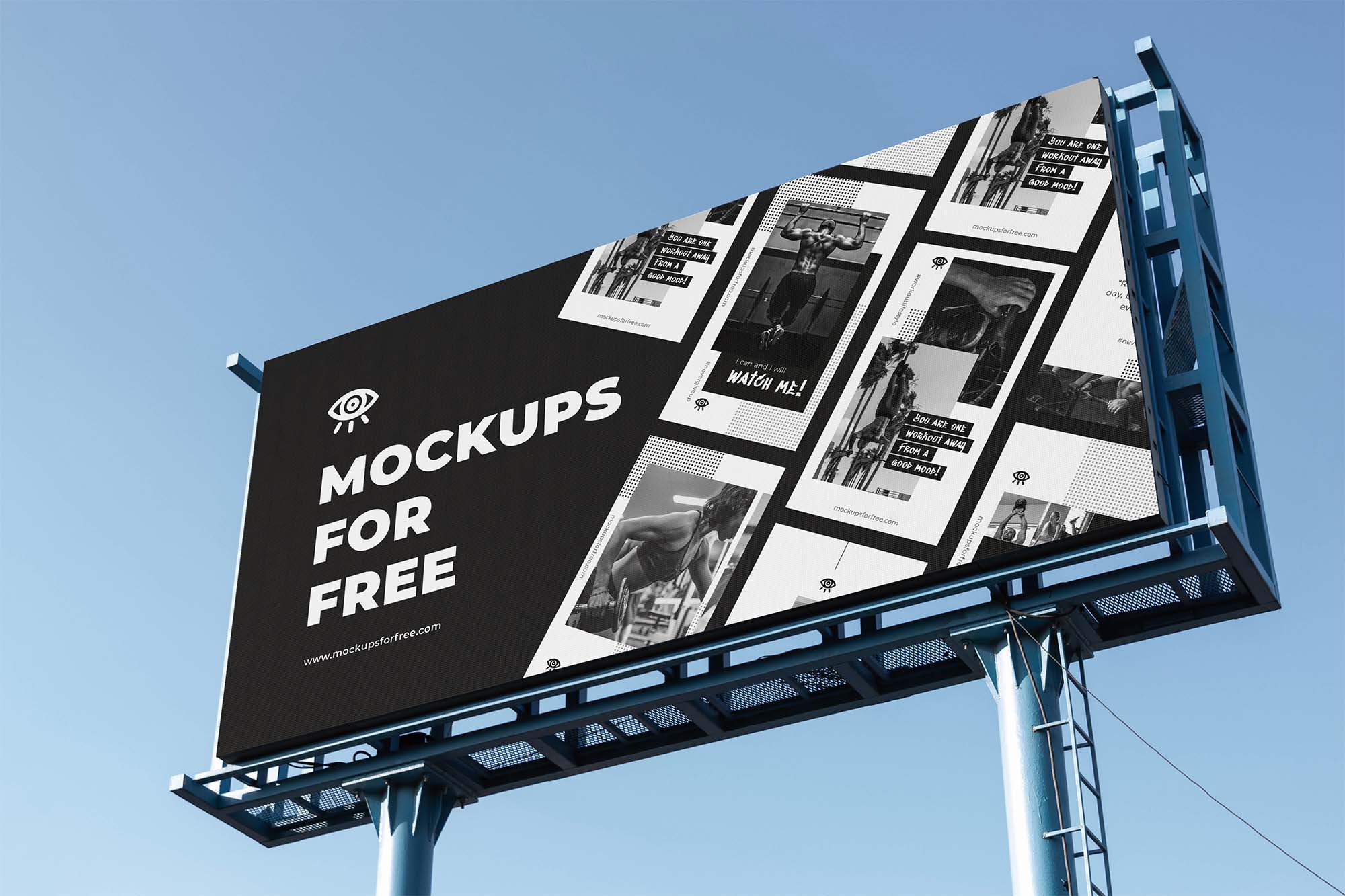
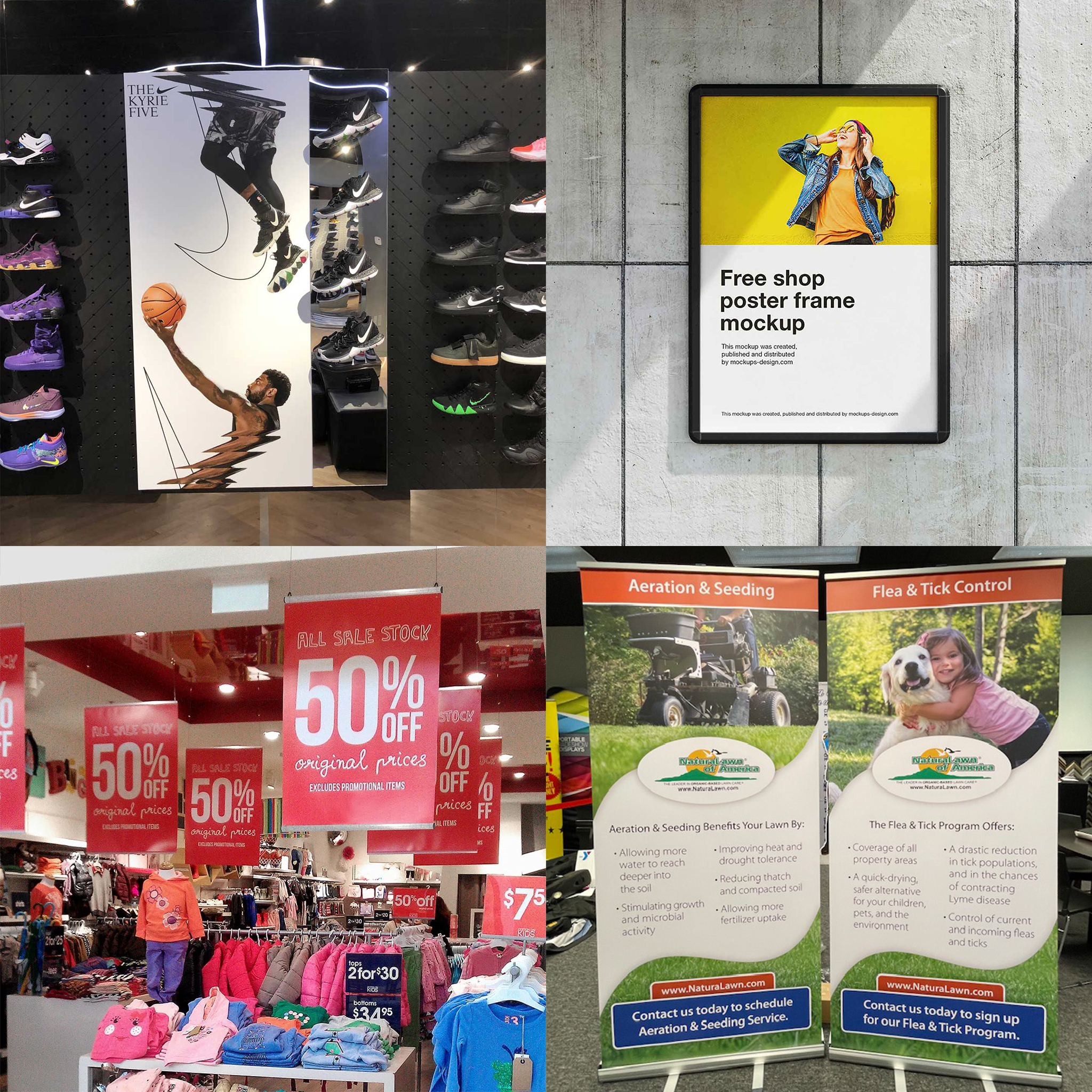
Large format printing refers to the process of printing oversized materials that exceed the dimensions of standard office printers. Specialized large format printers are used to produce high-resolution prints on a wide range of materials, including vinyl, fabric, paper, foam board, and more. This printing technique is ideal for creating banners, posters, signage, backdrops, and other large-scale visuals. Unlike traditional printing methods, large format printing allows for the seamless production of graphics with sharp details and vibrant colours, even on massive surfaces. It’s widely utilized in industries such as advertising, event planning, retail, and visual arts, making it a go-to solution for creating impactful exhibition displays.

Why a Standout Exhibition Display is Important

A standout exhibition display is crucial for several reasons. First, it serves as your first point of contact with potential clients, customers, or patrons. In crowded venues like trade shows and galleries, a visually striking display helps you attract attention and stand out from competitors or other exhibitors. It also communicates your brand identity and key messages clearly and effectively. An engaging display can foster stronger connections with your target audience by creating a memorable experience, enhancing brand recall, and encouraging interactions. Whether your goal is generating leads, selling products, or showcasing creative work, a well-designed and executed exhibition display is essential for success.

The Role of Large Format Printing in Exhibition Displays


Large format printing is a cornerstone of modern exhibition design, providing the flexibility and quality needed to produce compelling visuals. Here’s how it contributes to creating standout displays:

  1. Large format printing allows for highly customizable designs tailored to your specific exhibition needs. You can create unique layouts, incorporate brand colours, and showcase high-resolution images without limitations.
  2. From durable vinyl for outdoor banners to elegant fabric for indoor backdrops, large format printing supports various materials to suit different environments and display types.
  3. The precision and colour accuracy of large-format printers ensure that your graphics remain sharp and vibrant, even on large surfaces. This enhances the visual appeal and professional look of your display.
  4. Whether you need a small tabletop display or a massive mural, large format printing can accommodate projects of all sizes, ensuring consistency and quality across your exhibition materials.
  5. Modern large format printers enable quick production times, while lightweight, durable materials simplify transportation and installation, making them ideal for time-sensitive events.

Tips for Printing a Stand-Out Exhibition Display

To create a display that captivates and engages your audience, follow these essential tips:

Prioritize Visual Hierarchy

Use large, bold headlines to grab attention from a distance and ensure that key information is easy to read. Keep your design clean and uncluttered, guiding the viewer’s eye naturally through the display.

Choose High-Quality Images

High-resolution images are crucial for large format printing. Low-quality files can appear pixelated or blurry when enlarged, so always use images with a resolution of at least 150 DPI for best results.

Focus on Color Contrast

Utilize contrasting colours to make text and graphics stand out against the background. This improves readability and enhances the overall visual impact of your display.

Incorporate Branding Elements

Ensure your logo, brand colours, and key messages are prominently displayed. Consistent branding across all elements of your exhibition helps reinforce your identity and builds trust with your audience.

Select the Right Material

Consider the environment and duration of your exhibition when choosing materials. For example, opt for weather-resistant vinyl for outdoor displays or fabric backdrops for indoor use.

Include Interactive Features

Incorporate QR codes, touchscreens, or augmented reality elements to encourage audience interaction and make your display more engaging and memorable.

Test Print and Review

Before printing the final display, request a test print to check for colour accuracy, resolution, and overall design quality. Make any necessary adjustments to ensure a flawless result.

Best Printers to Use for Printing a Stand-Out Exhibition Display

Printers for Wide Format Printing 2

Some of the best printers are:

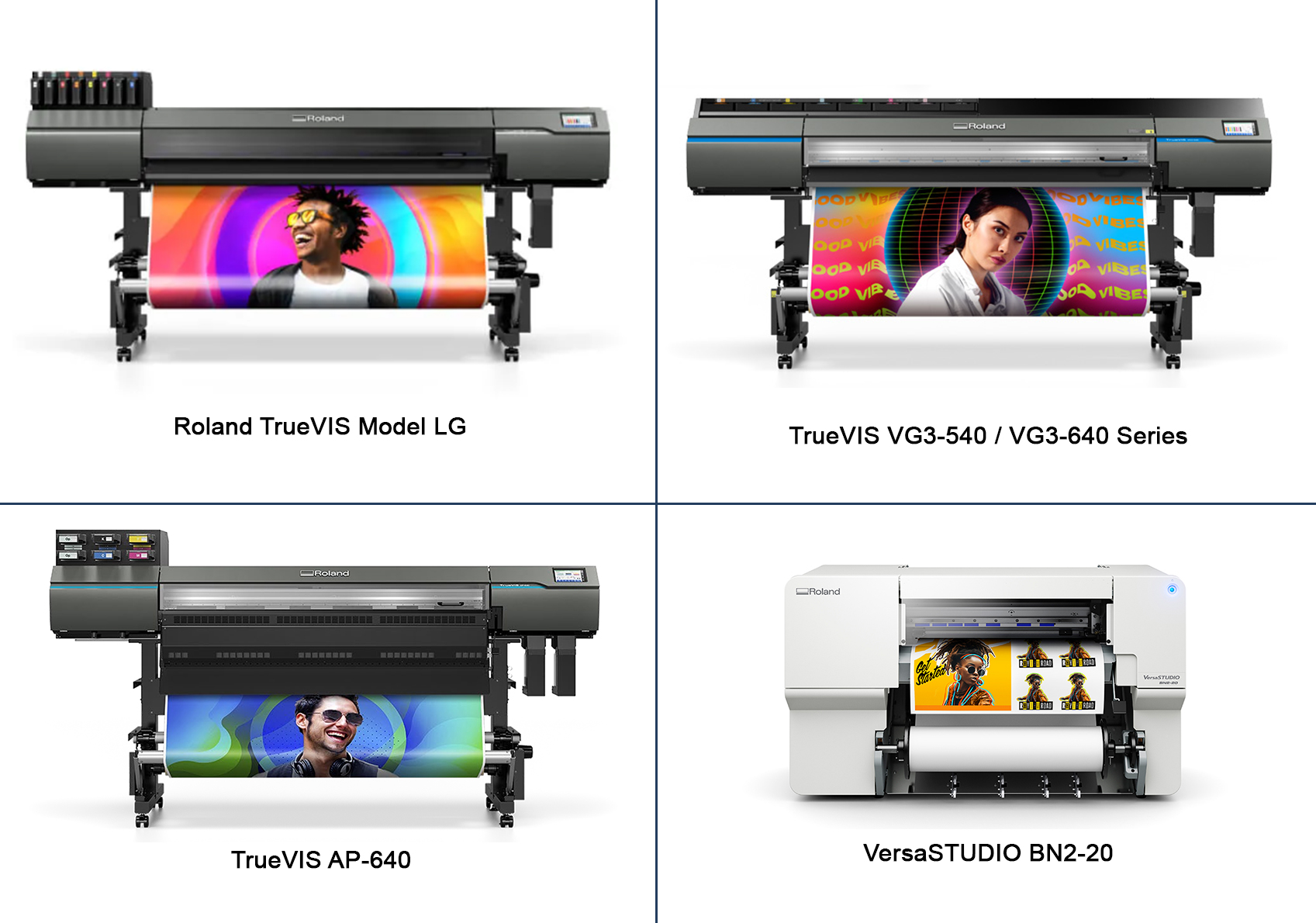
  • TrueVIS VG3 Series Printers/Cutters
    The TrueVIS VG3-540 / VG3-640 Series Printers Cutters combine cutting-edge printing technology with precise cutting capabilities, delivering outstanding graphics and designs with vivid colours and exceptional precision.
  • Roland VersaSTUDIO BN2 Series Desktop Printer/Cutters
    Offers a compact yet powerful solution for high-quality printing and precise cutting, making it perfect for small businesses and creative endeavours. Its versatile capabilities and user-friendly design make it an ideal choice for producing a variety of graphics and designs with exceptional detail and colour.
  • TrueVIS AP-640
    Blending the rapid drying and eco-friendly attributes of resin printing with the remarkable colour rendition, user-friendly operation, and dependable performance synonymous with TrueVIS Series printers
  • Roland Model LG-640 / LG-540 / LG-300
    Designed to deliver high-quality UV printing on a variety of rigid and flexible substrates, allowing businesses to produce stunning graphics, signage, and promotional materials. With their advanced UV ink technology and precise printing capabilities, these printers offer exceptional colour accuracy, durability, and versatility, making them ideal for a wide range of applications in the graphics and printing industry.

A standout exhibition display is an essential asset for capturing attention, communicating your message, and making a lasting impression. With the precision and versatility of large format printing, creating visually striking and professional-quality displays is more achievable than ever. By following key design and production tips, you can ensure your exhibition materials stand out and effectively convey your brand’s story, setting you apart in any competitive environment.

Are you in the process of starting or expanding your large format printing business and in need of expert guidance on purchasing the right printing machine? Look no further! Our team of industry experts is here to provide you with valuable insights and expert opinions to help you make the best decision for your business. With a deep understanding of the large format printing industry, we can assist you in selecting the ideal printing machine that meets your specific requirements and budget. Contact us today for a personalized consultation and let us help you make the right investment for your business’s growth and prosperity.

Tag: printing business

How Lamination Protects and Enhances Printed Materials

In the world of printed materials, durability and visual appeal are essential for maintaining a professional image and ensuring the longevity of the product. Whether it’s a business card, a menu, a poster, or a brochure, these materials are often subjected to frequent handling and environmental exposure. Lamination is a powerful finishing process that addresses these challenges, offering both protection and enhancement to printed items. By applying a thin layer of plastic film to the surface of a print, lamination serves dual purposes: safeguarding the material and elevating its aesthetic qualities. This article explores how lamination protects and enhances printed materials, making it an indispensable step in the print finishing process.

What is Lamination?

Soft Touch Laminating Film

Lamination is the process of applying a thin plastic film to the surface of printed materials to enhance both their durability and visual appeal. This protective layer safeguards the material against damage from moisture, dirt, and frequent handling, while also preventing issues like fading, tearing, and smudging. Available in various finishes such as gloss, matte, and soft-touch, lamination not only adds a unique aesthetic but also improves the tactile experience. Beyond protection, lamination elevates the functionality and professional appearance of printed items, ensuring they remain long-lasting and visually striking.

Extending the Life of Printed Materials

One of the primary reasons to laminate printed materials is to protect them from damage caused by everyday use and environmental factors. Printed products are vulnerable to tearing, smudging, and discoloration, especially when handled frequently or exposed to elements such as moisture, dirt, or sunlight. Lamination creates a barrier that shields the material, ensuring its integrity over time.

  1. Moisture Resistance: Lamination makes printed items waterproof, an essential feature for materials used in environments where exposure to liquids is likely, such as restaurant menus, beverage coasters, or outdoor posters. Without lamination, even a minor spill could ruin the material, rendering it unusable.
  2. Tear and Wear Resistance: Printed materials, particularly those made from standard paper or card stock, are prone to tearing and creasing. Lamination adds a layer of strength, making the material more robust and less likely to succumb to wear and tear. This is particularly useful for items like educational flashcards, business cards, or presentation folders, which are often handled repeatedly.
  3. UV Protection: Exposure to sunlight can cause printed materials to fade over time, diminishing their quality and impact. Lamination with UV-resistant film helps to mitigate this issue by protecting the ink and paper from harmful ultraviolet rays, ensuring that colours remain vibrant and legible.
  4. Stain and Smudge Prevention: Printed surfaces are vulnerable to stains from fingerprints, oils, or accidental marks. Lamination creates a smooth, wipeable surface that resists these stains, keeping the material clean and professional-looking.

By addressing these vulnerabilities, lamination significantly extends the lifespan of printed materials, making it a cost-effective solution for businesses and organizations that require durable products.

Improving Visual and Tactile Appeal

GuardLam Embossed Floor Overlam


While lamination offers unparalleled protection, it also enhances the aesthetic and tactile qualities of printed materials, elevating their overall presentation. The right lamination finish can transform a simple print into a high-quality product that stands out.

  • Glossy Finish: Gloss lamination gives materials a shiny, reflective surface that enhances colours and sharpens images. This finish is ideal for marketing materials such as posters, flyers, and product packaging, where bold visuals are essential to capture attention. The glossy effect makes images appear more vibrant and text more defined, creating a visually striking result.
  • Matte Finish: For a more understated and elegant look, matte lamination provides a soft, non-reflective surface. It reduces glare and adds a sophisticated touch, making it an excellent choice for materials like corporate brochures, menus, and luxury invitations. Additionally, matte lamination resists fingerprints and smudges, ensuring a clean appearance even after frequent handling.
  • Soft-Touch Finish: Soft-touch lamination creates a velvety texture that enhances the tactile experience of the printed material. This luxurious finish is commonly used for premium products such as high-end business cards, presentation folders, and packaging for luxury goods. The unique feel of soft-touch lamination leaves a lasting impression on recipients, making it a valuable tool for branding and marketing.
  • Stiffness and Structure: Beyond aesthetics, lamination adds stiffness to printed pieces, giving them a more substantial feel. This added rigidity not only makes the material more durable but also conveys a sense of quality and professionalism.
  • Writable Surface: Laminated surfaces can often be written on with dry-erase markers, adding functionality to items such as training materials, calendars, or reusable charts.

Applications of Lamination

Lamination is a versatile finishing technique that can be applied to a wide range of printed materials. Some of its most common applications include:

  1. Marketing Materials: Flyers, posters, and brochures that require vibrant colours and durability.
  2. Business Essentials: Business cards, certificates, and presentation folders that benefit from a polished and professional look.
  3. Educational Tools: Flashcards, maps, and instruction manuals that need to withstand frequent handling.
  4. Hospitality Items: Menus and signage for restaurants and hotels, where exposure to liquids and frequent use are common.
  5. Outdoor Prints: Banners and posters are designed for outdoor use, where protection against weather elements is critical.

Reducing the Need for Reprints

Although lamination adds to the upfront cost of producing printed materials, it is a cost-effective investment in the long run. By preventing damage and maintaining the material’s quality, lamination reduces the frequency of reprints. This is especially beneficial for businesses that rely on durable materials, such as retail stores with signage or restaurants with menus that are used daily.

Moreover, laminated materials project a professional image that reflects positively on a brand. High-quality, well-maintained printed materials can leave a lasting impression on customers, partners, and stakeholders, helping businesses stand out in a competitive market.

Lamination plays a vital role in protecting and enhancing printed materials, ensuring they remain functional, visually appealing, and durable over time. By shielding materials from damage and improving their aesthetics, lamination extends the life and effectiveness of print products, making it an essential step in the finishing process. Whether for marketing materials, business essentials, or educational tools, lamination offers unmatched value, helping businesses and organizations create impactful, professional, and long-lasting printed materials.

If you’re a business owner in the office, binding, printing or publishing industry, and you’re seeking the best print-finishing machine to enhance your operations, look no further. Our selection of high-quality equipment is designed to meet your specific needs. Whether you require the durability of binding, the versatility of cutters, or the cost-effective benefits of large-format printers, we have the right binding solution for you. Contact us today to explore our range of binding machines and take your business to the next level.

Tag: printing business

Top 10 Benefits of Investing in High-Quality Commercial Printers

Investing in high-quality commercial printers can be a game-changer for businesses across various industries, from retail and manufacturing to education and healthcare. Even for a printing business, having a dependable, top-tier printer can provide more than just basic functionality; it can enhance productivity, reduce costs, and support business growth. Here’s a look at the top 10 benefits of investing in a high-quality commercial printer.

large format printing

1. Superior Print Quality

High-quality commercial printers are designed to produce sharp, vibrant prints with precise colour accuracy and clear detail. This level of quality is essential for professional documents, presentations, marketing materials, and branded communications. With advanced printing technology, commercial printers ensure that every print job meets high standards, enhancing the business’s image and professionalism.

2. Improved Efficiency and Speed

Commercial printers are built to handle high print volumes rapidly, significantly reducing the time spent waiting for print jobs. These printers are equipped with faster processing speeds and robust paper-handling capabilities, allowing businesses to maintain productivity even during peak times. Faster print speeds also mean that employees can spend more time focusing on core tasks, rather than managing print queues.

3. Cost Savings Over Time

While high-quality commercial printers may have a higher initial investment, they often result in long-term cost savings. With more durable components and lower failure rates, these printers minimize the need for frequent repairs or replacements. Additionally, many commercial printers offer features that help reduce ink and toner consumption, saving money on supplies.

4. Enhanced Security Features

Data security is crucial for any business, especially in sensitive information sectors. Many high-quality commercial printers come with built-in security features, such as user authentication, encryption, and secure print release. These features help protect confidential documents, prevent unauthorized access, and comply with industry regulations for data privacy.

5. Greater Customization and Functionality

Commercial printers offer a wide range of customization options that allow businesses to adapt printing capabilities to their specific needs. Many models support multiple paper sizes, specialty finishes, and complex layouts. Advanced features like duplex printing, stapling, folding, and binding enable businesses to produce professional-quality documents in-house, reducing the need to outsource printing projects.

6. Reduced Downtime and Maintenance Costs

High-quality commercial printers are designed for durability and reliability, meaning they are less likely to break down or require constant repairs. These printers have components made to withstand frequent use, so they last longer and perform better under demanding conditions. Reduced downtime translates to more productivity and fewer interruptions, helping businesses meet deadlines and keep operations running smoothly.

7. Environmentally Friendly Options

resin inks

Many commercial printers now have eco-friendly options, such as energy-saving modes, recyclable toner cartridges, and reduced power consumption. This is particularly beneficial for businesses looking to reduce their environmental impact. Additionally, features like duplex printing help conserve paper, and newer ink technologies can produce high-quality prints with less waste, supporting sustainability efforts.

8. Scalability to Meet Business Growth

As businesses grow, their printing needs often expand as well. High-quality commercial printers are built to accommodate increasing print demands, with some models able to support high monthly print volumes without performance degradation. This scalability ensures that businesses won’t need to replace their printer frequently, making it a valuable long-term investment.

9. Versatile Printing Capabilities

Commercial printers provide businesses with versatile printing options, which is especially useful for industries that require various print formats, such as marketing agencies, schools, or graphic design firms. High-quality printers can handle everything from basic black-and-white documents to full-colour presentations, posters, banners, and other specialty materials. This versatility makes it easy to meet a wide range of business needs without relying on multiple devices.

10. Enhanced Employee Productivity

The combination of speed, efficiency, and reliability that commercial printers provide significantly boosts overall employee productivity. Instead of dealing with printer issues, waiting for jobs to complete, or struggling with low-quality prints, employees can quickly get their print jobs done and return to their primary responsibilities. Additionally, modern commercial printers often come with user-friendly interfaces and wireless printing capabilities, making it easier for employees to print from any device or location within the workplace.

Investing in a high-quality commercial printer brings a host of advantages that go beyond mere functionality. From enhanced print quality and security to cost savings and increased productivity, a dependable commercial printer can be a powerful asset to any business. While the initial investment may be higher than consumer-grade models, the long-term benefits—such as reliability, scalability, and operational efficiency—make it worthwhile. As businesses continue to seek ways to operate more efficiently, improve their professional image, and support environmental goals, investing in a top-tier commercial printer is an effective and strategic choice.

Are you in the process of starting or expanding your large format printing business and in need of expert guidance on purchasing the right printing machine? Look no further! Our team of industry experts is here to provide you with valuable insights and expert opinions to help you make the best decision for your business. With a deep understanding of the large format printing industry, we can assist you in selecting the ideal printing machine that meets your specific requirements and budget. Contact us today for a personalized consultation and let us help you make the right investment for your business’s growth and prosperity.

Tag: printing business

Investing in a Direct-to-Garment (DTG) Printing Business

As the demand for custom apparel continues to rise, many entrepreneurs and small businesses are looking to tap into the growing personalized products market. Direct-to-Garment (DTG) printing has become a popular method for creating high-quality, custom clothing and accessories. Investing in a DTG printing business offers various advantages, including high-resolution prints, low setup costs, and the flexibility to fulfill on-demand orders. This article will explore what DTG printing is, the advantages of investing in a DTG business, and why it’s a promising venture in today’s market.

What is Direct-to-Garment (DTG) Printing?

Assorted Printed T-Shirts

Direct-to-Garment (DTG) printing is a digital printing technique that uses specialized inkjet technology to apply ink directly onto fabric. Unlike traditional screen printing, DTG does not require screens or extensive setup for each design, making it ideal for producing one-off items and small to medium-sized orders. DTG printers use water-based inks that are absorbed into the fabric, resulting in soft, vibrant prints with intricate details and smooth gradients. This technique is especially popular for printing on cotton and other natural fibres, but advances in ink and printer technology are expanding its capabilities to synthetic blends and other materials.

The DTG printing process involves a pre-treatment step, particularly for dark garments, which helps the ink adhere better and maintain vibrancy. Once the pre-treatment is applied, the garment is loaded into the printer, and the design is printed onto the fabric in a single pass. After printing, the garment is typically heat-pressed to cure the ink and ensure long-lasting durability.

DTG vs DTF Printing

direct-to-garment printing

Direct-to-Garment (DTG) and Direct-to-Film (DTF) printing are two popular methods for producing custom apparel, each with distinct advantages. DTG printing applies ink directly onto the fabric, creating soft, high-quality prints with vibrant colors that are particularly well-suited for natural fibres like cotton. This process requires pre-treatment for dark garments but excels in producing detailed images with smooth gradients. DTF printing, on the other hand, prints designs onto a film that is later transferred to a garment using a heat press. DTF is more versatile across fabric types, including synthetic blends, and does not require pre-treatment, making it faster for printing on dark fabrics. While DTG is ideal for premium-quality prints on natural fibres, DTF offers more flexibility across different materials and is better for designs requiring durability across multiple fabric types.

8 Reasons to Invest in a DTG Printing Business

1. High-Quality Prints for Customization

One of the main benefits of DTG printing is the ability to produce high-quality, detailed prints with vibrant colours. DTG printers can handle complex designs with fine details, gradients, and multiple colours without requiring a separate setup for each colour, as in screen printing. This makes DTG an ideal choice for creating unique, customized products that are visually appealing and professional-looking. As consumers increasingly seek personalized apparel, the ability to offer high-quality customization gives businesses a competitive advantage.

2. Ideal for Small Batch and On-Demand Production

DTG printing allows for cost-effective, small-batch production, making it ideal for businesses that want to offer on-demand printing services. Unlike traditional printing methods, DTG does not require screens, and there are no minimum order quantities. This flexibility allows businesses to cater to custom orders, limited editions, or test new designs without significant upfront costs. For entrepreneurs, this opens the door to working with individual customers, small businesses, and niche markets that need high-quality, low-volume runs.

3. Low Setup Costs Compared to Traditional Printing

Investing in a DTG printing business generally has lower setup costs than traditional methods like screen printing. With DTG, there’s no need for screens, extensive pre-production, or a large inventory of materials, which reduces initial costs. DTG printers, while a significant investment, are often more affordable in the long run due to the low material costs and minimal setup requirements. This makes it an accessible option for startups and small businesses looking to enter the custom printing market without a significant financial burden.

4. Fast Turnaround Times

In today’s fast-paced market, quick turnaround times are essential for customer satisfaction. DTG printing allows businesses to fulfill orders quickly since there is minimal setup, and designs can be printed directly from a digital file. For small businesses and entrepreneurs, this means they can offer rapid delivery, improve customer experience and meet demand for timely, high-quality products. Fast production also enables businesses to produce and deliver last-minute orders or customizations, which can increase their competitiveness in the market.

5. Environmentally Friendly and Low Waste

DTG printing is known for being a more environmentally friendly option compared to traditional screen printing. It uses water-based inks that are less harmful to the environment, and the on-demand nature of DTG printing reduces waste by allowing businesses to produce only what they need. Unlike screen printing, which often requires large runs to be cost-effective, DTG can efficiently handle single items, eliminating excess inventory and reducing the risk of unsold products. This low-waste model aligns with the growing consumer demand for sustainable practices and eco-friendly products.

6. Expanding Market Demand for Custom Apparel

The demand for custom apparel is growing across various sectors, from personal fashion and merchandise to corporate branding and events. Consumers increasingly seek personalized products, and businesses use custom apparel for marketing, promotions, and corporate gifts. Investing in a DTG business allows entrepreneurs to tap into this expanding market by offering customized products to individuals, small businesses, and organizations looking for unique branded items. As the trend toward personalization continues, DTG businesses have the opportunity to meet diverse customer needs and establish a loyal customer base.

7. Flexibility to Experiment and Innovate

DTG printing provides the flexibility to experiment with new designs and products without significant cost or risk. Entrepreneurs can test new ideas, designs, or limited-edition items without committing to large production runs. This flexibility fosters innovation, enabling businesses to quickly adapt to market trends and customer feedback. By responding to customer preferences and industry trends, DTG businesses can stay relevant and competitive in the dynamic custom printing market.

8. Scalability and Growth Potential

A DTG printing business is highly scalable, making it an excellent option for entrepreneurs looking for growth potential. Starting with a single DTG printer, businesses can expand their equipment as demand increases, adding more printers to handle higher volumes. Additionally, DTG printing can complement other printing services, such as Direct-to-Film (DTF) or heat transfer, to diversify offerings and reach a wider audience. This scalability allows businesses to start small and gradually increase capacity, minimizing risk while growing steadily.

Best DTG and DTF Printers in 2024

Here are some of the best Direct to Garment printers available:

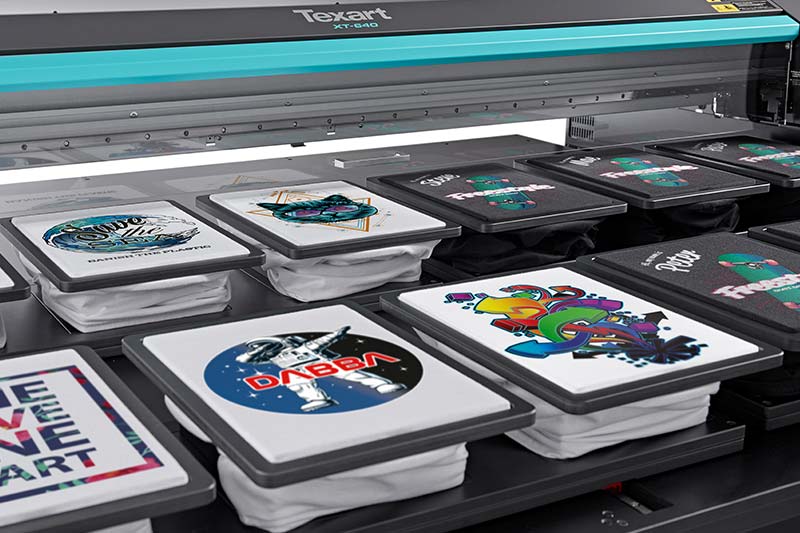
  • Texart XT-640S DTG
    Turns up the volume on t-shirts, apparel, and fabric accessory printing without the high-volume industrial price tag.

For those who want to start their own DTF printing business, here are some of the best DTF printers in the market:

  • VersaStudio BN-20D Direct-to-Film Printer
    The newest addition to the BN-20 Series of desktop printers. The BN-20D Direct-to-Film System complements Roland DGA’s existing family of compact, powerful VersaSTUDIO machines designed to help smaller home- or office-based print providers build their businesses.
  • VersaSTUDIO BY-20 Desktop Direct-to-Film Printer
    Roland DG has released the latest and most innovative Direct-to-Film printer, the Roland VersaStudio BY-20. It’s a highly versatile desktop device ideal for a range of direct-to-film apparel applications, such as creating custom T-shirts, sportswear, tote bags, and more. With its compact design, it is even perfect for small businesses that have small production space.

Investing in a Direct-to-Garment printing business offers significant benefits for entrepreneurs and small businesses looking to enter the custom apparel market. With its high-quality output, low setup costs, and ability to handle on-demand, small-batch orders, DTG printing is well-suited to meet the growing demand for personalized products. Additionally, its environmentally friendly approach and scalability make it an appealing option for those seeking a sustainable and flexible business model. As customization continues to drive consumer interest, DTG printing provides a solid foundation for businesses aiming to succeed in the fast-evolving custom apparel industry.

For business owners looking to venture into the world of direct-to-garment (DTG) printing or upgrade their existing equipment, the future of customized apparel is at your fingertips. Explore our range of cutting-edge DTG printing machines that can help you unlock new opportunities, streamline production, and stand out in the market. Contact us today to learn more about the best DTG solutions tailored to your specific needs.

Tag: printing business

What Are Branded Merchandise and Why Are They Important?

In the competitive business world, companies always search for innovative ways to enhance their brand visibility and connect with their target audience. One highly effective strategy is the use of branded merchandise. Branded merchandise, also known as promotional products, encompasses a wide range of items that are customized with a company’s logo, name, or message. These tangible products are distributed to customers, clients, and prospects through marketing and advertising campaigns. In this article, we’ll focus on what branded merchandise is, why it’s important for businesses and marketing managers, and how the latest printers play a role in creating and delivering eye-catching branded merchandise.

What is Branded Merchandise?

print packaging

Branded merchandise includes any item that is personalized with a company’s branding elements. Common examples include:

  • Apparel: T-shirts, hats, jackets, and other clothing items that feature a company logo or slogan.
  • Tech Accessories: USB drives, phone chargers, laptop sleeves, and other tech-related items that bear a company’s branding.
  • Office Supplies: Pens, notebooks, calendars, and desk organizers that display a company’s name or logo.
  • Drinkware: Mugs, water bottles, and tumblers that are customized with a brand’s design.
  • Bags: Tote bags, backpacks, and messenger bags that feature a company’s branding.

These products serve as physical reminders of a brand, often used daily by recipients, thus ensuring continuous exposure to the brand’s message.

Why Branded Merchandise is Important for Businesses?

Here are some of the main reasons why branded merchandise helps business branding:

Enhances Brand Visibility

One of the primary benefits of branded merchandise is increased brand visibility. When customers use a branded item, they are continuously reminded of the brand, keeping it top-of-mind. This repeated exposure helps in creating a strong brand recall, which is crucial for customer retention and loyalty.

Builds Customer Loyalty

Branded merchandise can significantly contribute to building customer loyalty. When customers receive a useful, high-quality promotional product, they often feel appreciated and valued. This positive experience fosters goodwill and can lead to stronger, more loyal relationships between the customer and the brand.

Cost-Effective Marketing

Compared to traditional advertising methods such as TV or print ads, branded merchandise offers a cost-effective way to reach a targeted audience. The cost per impression (CPI) of promotional products is relatively low, making it an efficient marketing tool for businesses of all sizes.

Generates Leads and Increases Sales

Distributing branded merchandise at events, trade shows, or as part of a sales promotion can help generate leads and increase sales. These items act as conversation starters and provide a tangible way for potential customers to remember and engage with a brand.

Differentiates from Competitors

In a crowded marketplace, standing out from competitors is crucial. Unique, high-quality branded merchandise can help a company differentiate itself by providing something tangible and memorable that competitors may not offer.

How Printers Help Create Eye-Catching Branded Merchandise

VersaOBJECT MO-240 2

Printers play a pivotal role in the creation of branded merchandise. Modern printing technology has evolved significantly, enabling businesses to produce high-quality, customized products quickly and efficiently. Here’s how printers contribute to creating eye-catching branded merchandise:

1. Advanced Printing Technologies – Today’s advanced printers, like the Roland VersaObject MO-240, offer a range of printing technologies that ensure high-quality results. These technologies include:

  • Digital Printing: Allows for precise and detailed prints, perfect for intricate designs and full-color images.
  • Screen Printing: Ideal for bulk printing on apparel and other items, offering durability and vibrant colours.
  • Direct-to-Garment (DTG) Printing: Suitable for printing on fabrics, providing high-resolution prints that are soft to the touch.
  • UV Printing: Allows for printing on a wide variety of materials, including plastic, metal, glass, and more, with quick drying times and excellent durability.

You can read more about our introduction article for Roland MO-240 Flatbed UV Printer.

2. Customization and Versatility – Printers like the Roland VersaStudio BD-8 are incredibly versatile and capable of printing on various materials and products. This versatility allows businesses to customize a wide range of merchandise, ensuring that their promotional items are unique and tailored to their specific branding needs.

You can read more about our introduction article for Roland BD-8 Desktop UV Flatbed Printer.

3. High-Speed Production – Timely production is crucial. Advanced printers are designed to handle high-volume orders efficiently, ensuring that businesses can meet tight deadlines and distribute their branded merchandise promptly.

4. Precision and Quality – Quality is key when it comes to branded merchandise. High-quality printing ensures that logos, slogans, and designs are crisp, clear, and vibrant. This attention to detail reflects positively on the brand, as recipients associate high-quality promotional items with a professional and trustworthy company.

Best Practices for Creating Branded Merchandise with Printers

To maximize the impact of your promotional products, here are some best practices for creating high-quality branded merchandise using advanced printing technologies:

  1. Selecting the right promotional products is crucial. Consider the preferences and needs of your target audience and choose items that they will find useful and appealing. Popular items include tech gadgets, apparel, drinkware, and office supplies.
  2. Invest in high-quality products and printing services. High-quality items are more likely to be used and appreciated by recipients, leading to longer-lasting brand exposure.
  3. Ensure that your branding is consistent across all promotional products. This includes using the same logo, colours, and messaging to maintain a cohesive brand identity.
  4. Work with designers to create eye-catching designs that stand out. Bold colours, unique graphics, and creative layouts can make your branded merchandise more appealing and memorable.
  5. Utilize advanced printing technology, like the Roland MO-240, to achieve the best results. These printers offer the precision, versatility, and speed needed to produce high-quality promotional products.
  6. Plan how and where you will distribute your branded merchandise. Consider events, trade shows, customer appreciation days, and other opportunities to maximize the impact of your promotional items.

Branded merchandise is a powerful tool for enhancing brand visibility, building customer loyalty, and differentiating from competitors. The role of printers in creating high-quality, customized promotional products cannot be overstated. With advanced printing technologies, businesses can produce eye-catching and memorable branded merchandise that resonates with their target audience. By investing in the right products and leveraging cutting-edge printers like the Roland MO-240, companies can elevate their marketing efforts and achieve greater success in today’s competitive landscape.

Are you a printing service business owner seeking a reliable partner to bring your customers’ promotional product requests to life? Discover the perfect printing solution that aligns with your quality standards and delivery timelines. Elevate your business by ensuring every client’s branding needs are met seamlessly. Contact us today to explore how our printing services can empower your business and exceed your client’s expectations.