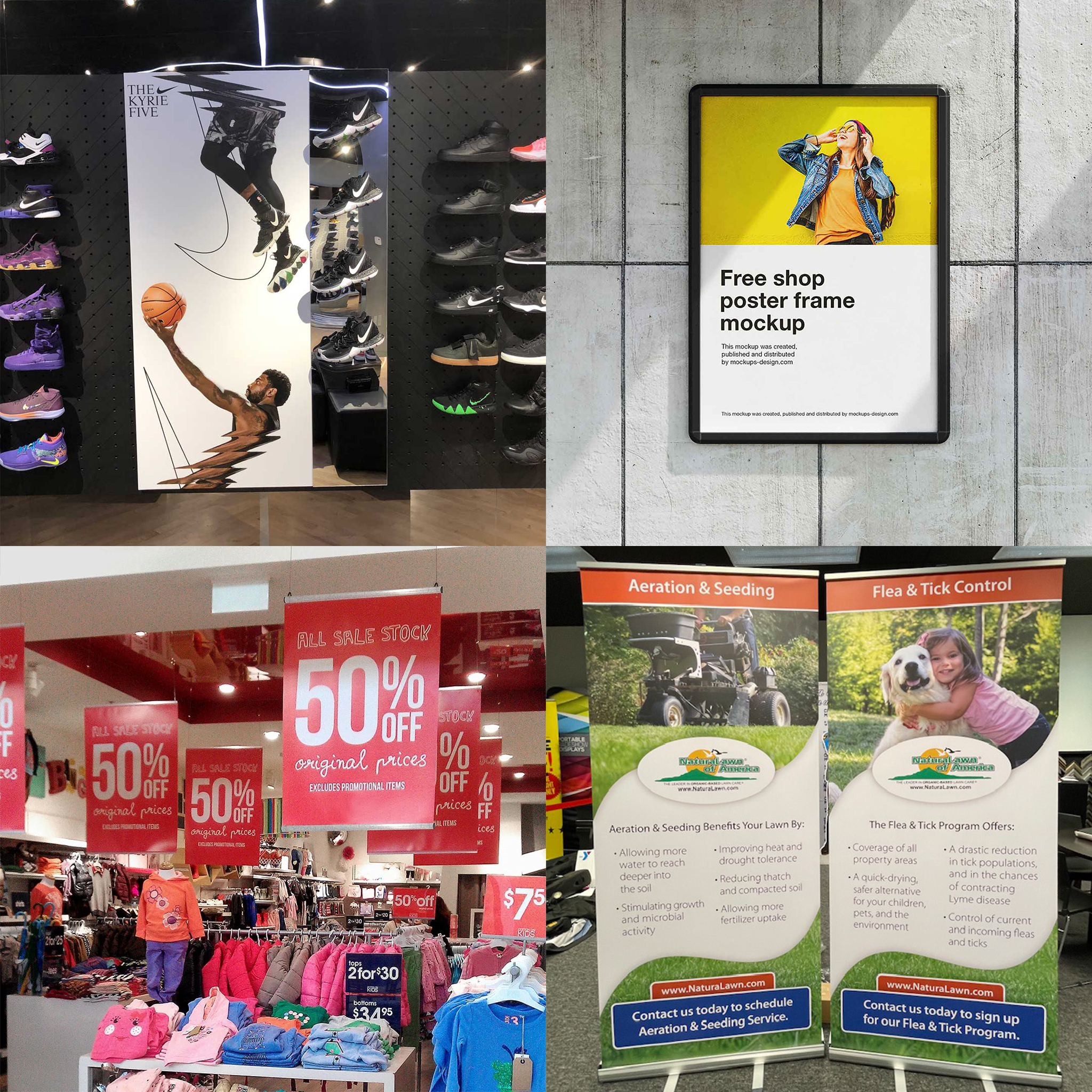
We Ship to North America Free Shipping for Many Products
Tag: Large Format Printing

Introducing Roland TrueVIS VG4 Series Eco-Solvent Printer/Cutters

The Roland TrueVIS VG4 Series Eco-Solvent Printer/Cutters brings a new level of performance to modern large-format printing. Built for professional print providers, it combines high-quality output, improved workflow control, and reliable print and cut integration. The VG4 Series supports businesses that need consistent production, faster turnaround times, and strong colour accuracy across a wide range of applications.

What is Large Format Printing

Large format printing refers to printing processes that produce graphics larger than standard desktop sizes. It is widely used in advertising, branding, and visual communication.

This printing method helps businesses create high-impact visuals that attract attention from a distance. It is commonly used for banners, posters, signage, wall graphics, and vehicle wraps. Large format printing supports both indoor and outdoor applications, making it essential for commercial print production.

What is an Eco-Solvent Printer

An eco-solvent printer uses specially formulated inks designed for durability and flexibility. These inks produce long-lasting prints while reducing environmental impact compared to traditional solvent systems.

Eco-solvent printing is widely used because it supports a wide range of materials such as vinyl, coated films, and flexible substrates. It delivers strong resistance to fading, scratches, and weather exposure, making it suitable for both indoor and outdoor graphics.

Introducing the Roland TrueVIS VG4 Series

TrueVIS VG4 Series Eco-Solvent Printer/Cutters

The Roland TrueVIS VG4 Series Eco-Solvent Printer/Cutters builds on the trusted TrueVIS legacy used by print professionals worldwide. It is designed to deliver consistent print and cut performance with improved speed, colour quality, and workflow efficiency.

The VG4 Series combines a new printhead system, updated TR3 eco-solvent inks, and smarter operation features. It helps businesses produce premium graphics with less effort while maintaining reliable output across everyday signage and specialty applications.

The VG4 Series balances speed, value, and quality. It supports businesses that need efficient production without sacrificing print detail or consistency.

Key Features of the VG4 Series

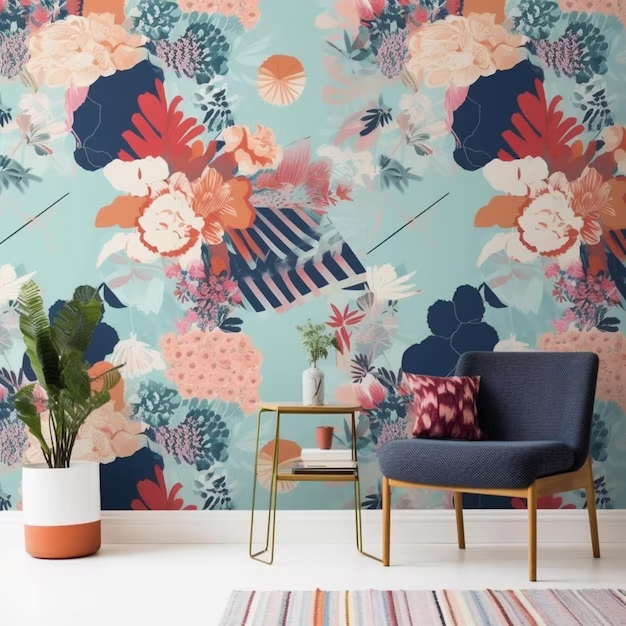
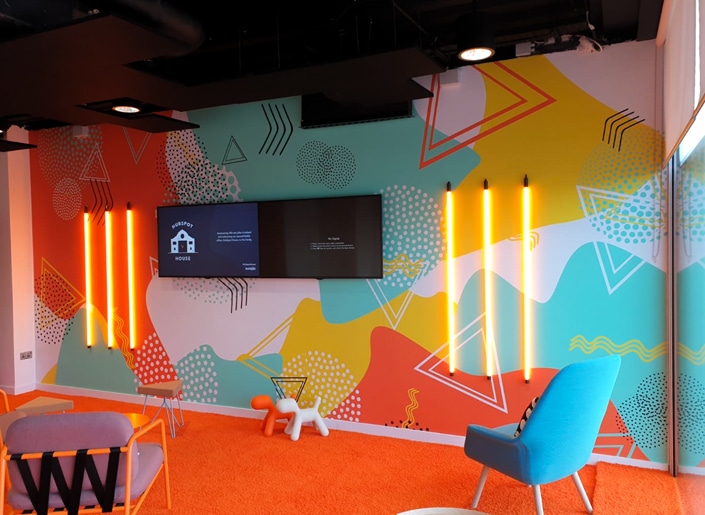
Wall Graphics via TrueVIS VG4

The VG4 Series includes several key features that improve flexibility, performance, and usability.

  • Wider Colour Expression – The VG4 Series uses TR3 inks that include Red, Orange, Green, Light Black, and White. This expands colour range and improves brand colour accuracy for more vivid results.
  • Work Smart – Users can print directly from the 7-inch touchscreen and manage workflows through VersaWorks and Roland DG Connect for smoother operation.
  • Built for Long Runs– Improved take-up control supports stable media handling for long print and cut production runs without interruption.
  • Lower Running Costs – Optimised ink use reduces waste while maintaining consistent print quality and simplifying maintenance tasks.
  • Direct Print – Operators can select and start jobs directly from the printer’s touch panel without returning to a computer.
  • Premium Inks – TR3 inks deliver vivid colour output with high-density white options for specialty applications.
  • Roland DG Connect – This tool allows real-time monitoring, setup support, and production tracking for better control.
  • RIP Software – VersaWorks improves workflow with advanced colour management and efficient job processing tools.
  • Warranty & Support – Roland DG provides industry-level support to protect investment and ensure long-term reliability.

Reliable Print and Cut Productivity

The VG4 Series improves print and cut workflows for stable, high-volume production. It is designed to maintain accuracy during long production runs.

Enhanced take-up control supports continuous printing and helps keep media aligned during output. The perforation cut function allows easier job separation while maintaining smooth production flow. These features help reduce finishing time and improve overall productivity across sticker, label, and decal work.

Premium TrueVIS Image Quality

Floor Stickers using TrueVis VG4

The TrueVIS VG4 Series delivers refined image quality designed for consistent production results. It uses advanced printhead technology and Roland DG’s proprietary control system to produce fine droplet placement and high-density output.

Combined with TR3 ink options, including new Red, and True Rich Color settings, the VG4 Series improves colour balance and detail. It produces smoother gradients, cleaner neutrals, and more accurate brand colours. This ensures stable results across different media and repeat jobs.

Smarter Operation and Workflow Control

The VG4 Series reduces manual steps and improves production control through smart features. A 7-inch touchscreen allows users to manage print jobs directly from the printer.

With the Direct Print function, operators can select and start jobs after setting conditions in VersaWorks. The touchscreen also displays print queues, making it easier to manage output when devices are in different locations. Roland DG Connect adds remote monitoring and setup support to maintain stable production.

Lower Running Costs and Easier Maintenance

The VG4 Series supports efficient production while helping reduce operating costs. Improved ink efficiency lowers consumption while maintaining high-quality output.

Maintenance is also simplified to reduce downtime. Key printhead components are designed for easy access and replacement. This helps operators maintain stable production without frequent service interruptions. Combined with monitoring tools, the VG4 Series supports efficient daily operation and consistent uptime.

Applications of the VG4 Series

The VG4 Series supports a wide range of professional printing applications across different industries.

  • Signs and Posters
  • Banners
  • Floor Stickers
  • Window Graphics
  • Wall Graphics
  • Vehicle Graphics

Additional Features

Color LCD Screen for Intuitive Operation

The VG4 Series includes a responsive 7-inch touchscreen that simplifies daily operation. It shows ink levels, printer status, and job progress. Users can also send print jobs directly from the printer after setup in the RIP software.

Efficient Media Setup for High-quality Output

The system supports stored media presets that allow quick setup and repeatable results. This helps operators maintain consistent output across different materials with minimal adjustment.

Take-up Unit as Standard for Easy Media Management

The built-in take-up unit supports long print runs and stable media handling. It reduces manual intervention and helps maintain smooth production from start to finish.

CMYK and Beyond with 8-color Eco-solvent Inks

TR3 ink configurations support dual CMYK for speed or expanded 8-colour sets for richer output. The system includes Red, Orange, Green, Light Black, and White options. Combined with intelligent droplet control, it ensures consistent and efficient high-quality printing.


The Roland TrueVIS VG4 Series Eco-Solvent Printer/Cutters delivers a strong balance of speed, colour accuracy, and workflow efficiency. It is designed to support modern print businesses that need reliable production and consistent output across a wide range of applications.
With improved inks, smarter controls, and stable print and cut performance, the VG4 Series helps businesses increase productivity while maintaining premium quality. It stands as a dependable solution for long-term growth in the large-format printing industry.


If you are a potential business owner looking to print promotional products, PRINTFINISH is your ultimate partner for success. Our comprehensive range of cutting-edge printing and finishing solutions, coupled with our expertise and exceptional customer support, will empower your business to thrive in the competitive market. Contact us today and unlock the full potential of your printing business with PRINTFINISH as your trusted partner.

Tag: Large Format Printing

Achieving High-Quality Output with the TrueVIS XP-640

Large-format printing is at the heart of high-impact graphics, signage, and custom branding. Businesses demand printers that can deliver speed, accuracy, and vivid colours without compromise. Roland DG’s TrueVIS XP-640 is the latest large-format eco-solvent printer that combines productivity, versatility, and cost-efficiency. Designed for businesses looking to expand their output and offer professional-quality graphics, the XP-640 sets a new benchmark for large-format printing.

What is Large-Format Printing?

Large-format printing refers to printing on media wider than standard desktop printers, often from 24 inches to over 64 inches in width. This type of printing is commonly used for banners, posters, signage, vehicle wraps, and wall graphics.

Benefits of large-format printing include:

  • High visibility – Perfect for outdoor and indoor advertising.
  • Customisation – Enables unique graphics for branding or décor.
  • Versatility – Supports a wide range of media, including vinyl, paper, canvas, and film.
  • Impact – Produces vibrant, attention-grabbing visuals that scale to any size.

What is an Eco-Solvent Printer?

Eco-solvent printers use durable, low-odour inks designed for indoor and outdoor use. These inks bond well to many materials and offer long-lasting performance.

Key benefits of eco-solvent printing include:

  • Durability – Prints resist fading, scratches, and weather exposure.
  • Media flexibility – Compatible with vinyl, films, paper, and banner media.
  • Lower operating costs – Efficient ink use supports long-term profitability.
  • Safer environments – Reduced emissions improve indoor workspace comfort.

Eco-solvent technology delivers professional results while supporting efficient operations.

Introducing the TrueVIS XP-640

Roland TrueVIS Pro XP-640

The TrueVIS XP-640 is Roland DG’s most advanced eco-solvent printer to date. It is built for businesses that demand speed, precision, and dependable output.

The XP-640 delivers:

  • Industry-leading productivity – Faster output without compromising image quality.
  • Signature TrueVIS colour – Consistent, accurate, and vibrant prints.
  • Operational efficiency – Smart automation that saves time and labour.
  • Long-term reliability – Designed for continuous production with minimal downtime.

This printer empowers print providers to confidently take on demanding jobs and tight deadlines.

Features of the TrueVIS XP-640

Posters

The XP-640 combines advanced engineering with practical features that improve daily production.

Dual Staggered Printheads

Two larger printheads deliver finer droplets at higher density. This results in sharper images with fewer passes.

Twice the Productivity

Output speeds double compared to previous TrueVIS print-only models.

Expanded Colour Gamut

Newly developed Red ink enhances vibrancy and colour accuracy. CMYK, Light Black, Green, and Orange support wider colour expression.

True Rich Color Preset

Roland TrueVIS Pro XP-640 Inks

Produces vivid colours, smooth gradations, neutral grays, and natural skin tones.

Flexible Ink Configurations

Available in 8-colour or dual CMYK setups to match production needs.

Low Running Costs

New TH inks reduce ink usage while maintaining TrueVIS image quality.

Automatic Media Gap Adjustment

Optical registration automates calibration for consistent results.

Perforated Sheet Cutting

Built-in perforation reduces finishing time and handling risks.

Automatic Media Take-Up

Simplifies media loading and supports long print runs.

7-Inch Colour LCD Panel

Provides fast access to printer status, ink levels, and job progress.

Easy Maintenance

Users can replace wear parts without service calls, reducing downtime.

These features work together to maximise efficiency, accuracy, and profitability.

Picture-Perfect Productivity

Banners

The XP-640 balances speed and image quality at a professional level. It delivers consistent results across both high-speed and high-resolution modes.

In billboard mode, the 8-colour configuration achieves an extremely wide colour gamut. The dual CMYK setup produces vivid prints at speeds up to 819 square feet per hour.

This flexibility allows print providers to choose quality or speed without compromise.

Introducing the Widest Colour Gamut Yet

Colour accuracy plays a critical role in branding and visual impact. The XP-640 introduces a newly developed Red ink to address this need.

This ink improves:

  • Brand colour accuracy – Corporate reds reproduce with greater precision.
  • Visual impact – Graphics appear bolder and more eye-catching.
  • Creative freedom – Expanded colour range supports demanding designs.

With improved red reproduction, print businesses can deliver graphics that meet strict brand standards.

Lowest Running Costs in Its Category

Profitability depends on more than output speed. The XP-640 focuses on reducing ink and operating costs.

New TH inks offer more prints per millilitre without sacrificing quality. The updated True Rich Color setting further reduces ink usage while maintaining visual impact.

This combination helps businesses maximise margins on every job.

Applications of the TrueVIS XP-640 in Large-Format Printing

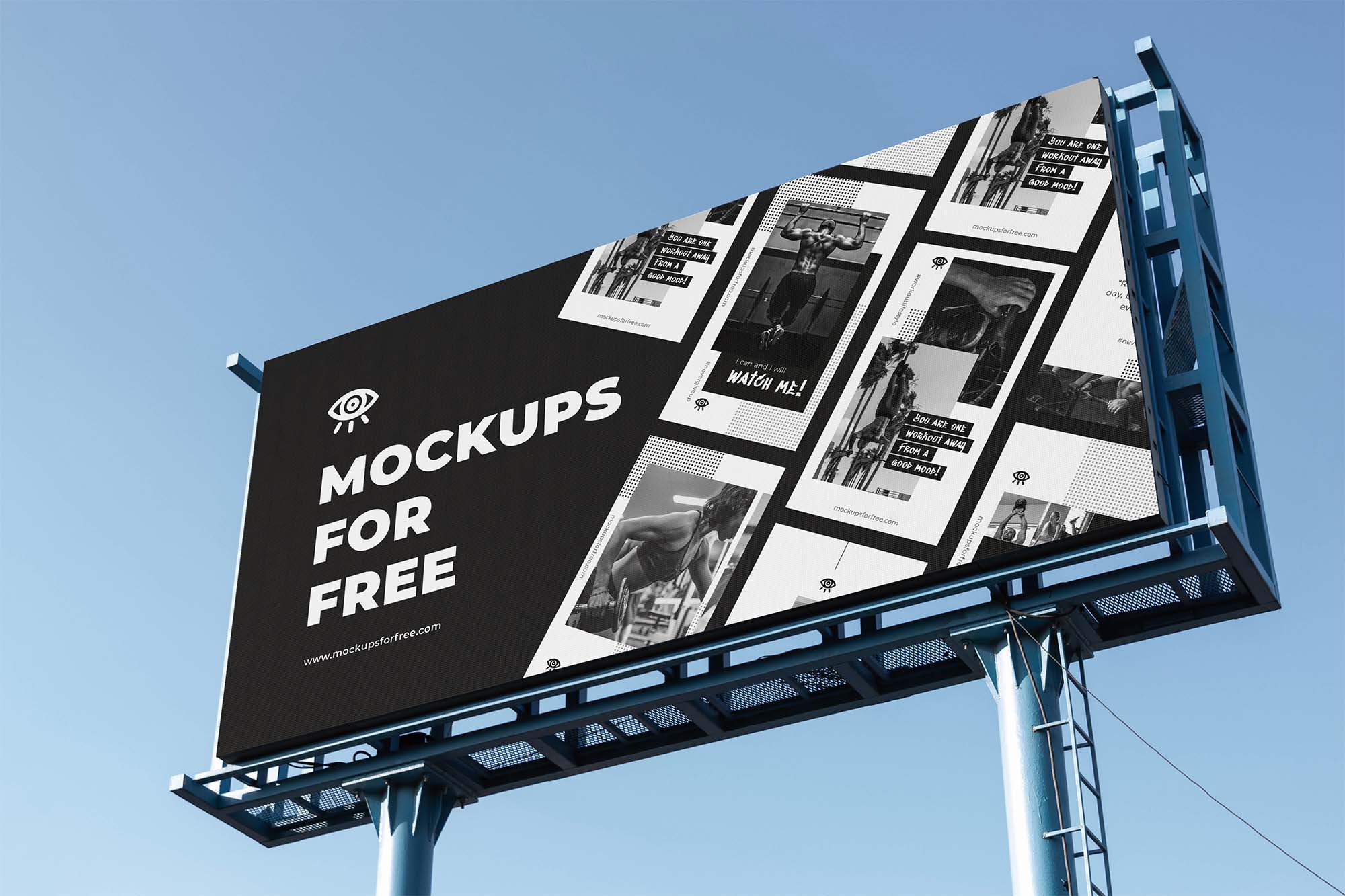
Billboards

The XP-640 supports a wide range of commercial printing applications. Its performance and versatility open doors to new revenue opportunities.

  • Banners and signage – Durable graphics for indoor and outdoor environments.
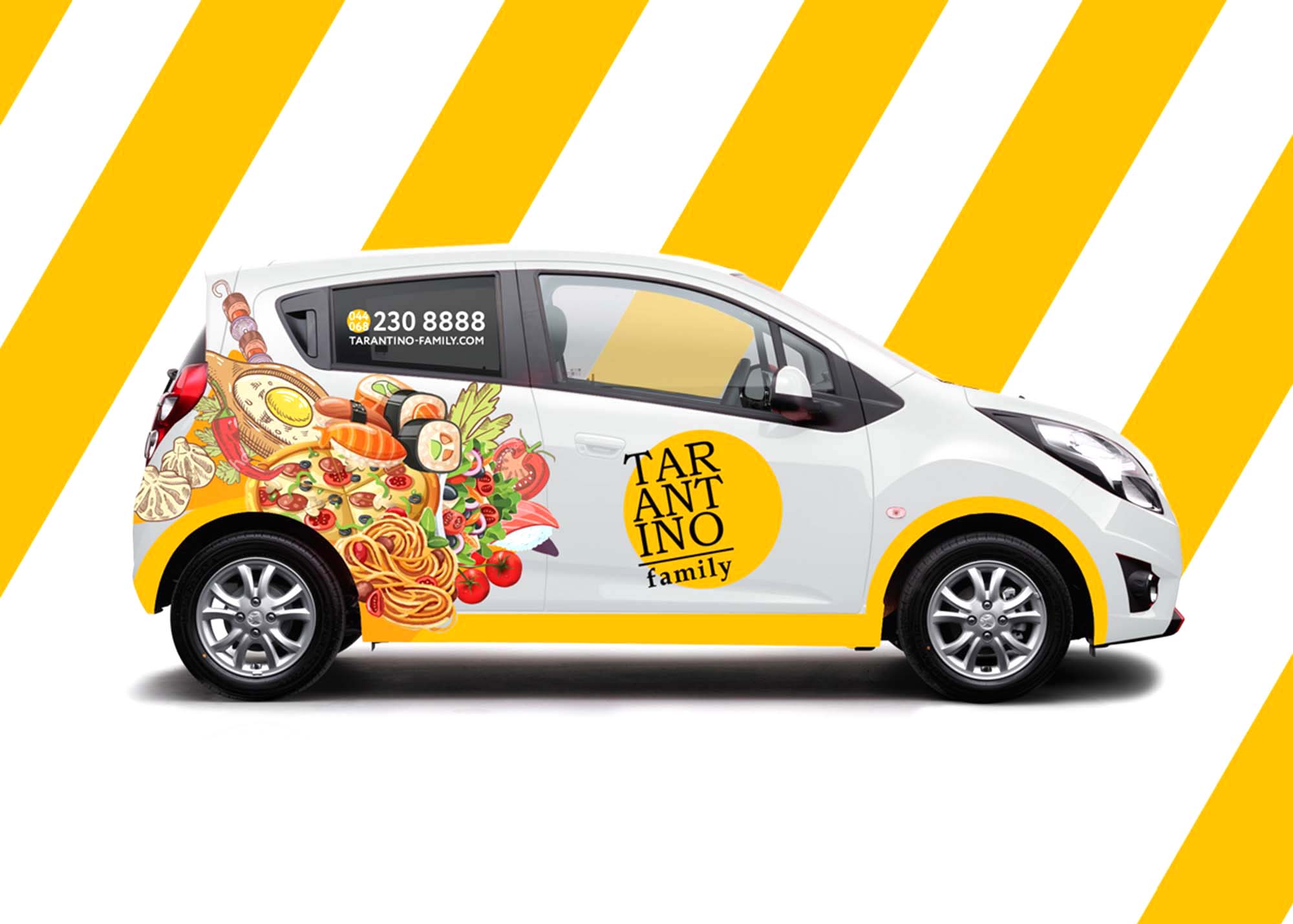
  • Vehicle wraps – High-impact prints with excellent colour consistency.
  • Retail displays – Eye-catching point-of-sale and promotional graphics.
  • Wall graphics – Large-scale visuals for branding and décor.
  • Stickers and decals – Sharp detail for logos, text, and fine designs.
  • Event and exhibition graphics – Fast turnaround for time-sensitive projects.

These applications allow print businesses to diversify services and attract new clients.

The TrueVIS XP-640 Large-Format Eco-Solvent Printer is built for print businesses that want to grow with confidence. It delivers exceptional speed, vibrant colour, and reliable performance in a cost-efficient package. With advanced automation, expanded colour capability, and user-friendly operation, the XP-640 helps operators produce more while maintaining consistent quality. For businesses focused on scalability, profitability, and professional results, the TrueVIS XP-640 is a powerful investment in long-term success.


If you are a potential business owner looking to print promotional products, PRINTFINISH is your ultimate partner for success. Our comprehensive range of cutting-edge printing and finishing solutions, coupled with our expertise and exceptional customer support, will empower your business to thrive in the competitive market. Contact us today and unlock the full potential of your printing business with PRINTFINISH as your trusted partner.


Tag: Large Format Printing

What is Poster Marketing

Poster marketing remains one of the most effective ways to reach audiences and convey brand messages. Posters are visible, easy to distribute, and provide a tangible connection with customers. They allow businesses to showcase products, promote events, or raise awareness about services. With proper design and placement, posters can drive action and leave a lasting impression. This article explores what poster marketing is, its benefits, tips for using it effectively, and how large format printing enhances its impact.

What is Poster Marketing

Poster marketing is a type of print advertising that uses visually appealing posters to communicate messages to a target audience. Posters are typically designed to attract attention quickly, convey key information, and encourage action. They are used across industries including retail, education, healthcare, entertainment, and nonprofits.

The purpose of poster marketing can vary depending on the campaign:

  • Promote products or services – Retailers and businesses use posters to highlight offers, new arrivals, or seasonal promotions.
  • Raise awareness – Posters can communicate social, health, or environmental messages to the public.
  • Encourage attendance – Events, workshops, and conferences often rely on posters for promotion.
  • Strengthen branding – Posters reinforce logos, slogans, and visual identity in public spaces.

The key to successful poster marketing lies in combining strong visuals, clear messaging, and strategic placement.

Benefits of Poster Marketing

Poster marketing offers several advantages that make it a valuable part of any marketing strategy. Posters can reach audiences in a way digital campaigns cannot.

Here are some key benefits:

  • High visibility – Posters placed in high-traffic areas attract attention from many viewers.
  • Cost-effective – Compared to large-scale media campaigns, posters provide high impact at a lower cost.
  • Tangible presence – Physical posters offer a lasting presence that people can see, read, and share.
  • Targeted distribution – Posters can be placed strategically in locations frequented by your target audience.
  • Brand reinforcement – Repeated exposure to posters helps build brand recognition and trust.
  • Creative freedom – Businesses can experiment with colors, images, typography, and materials to stand out.

Poster marketing works best when combined with other forms of marketing, such as social media or email campaigns.

Large Format Printing and Poster Marketing

large format printing

Large format printing is a critical part of modern print marketing. It allows businesses to produce posters in bigger sizes without sacrificing quality. Large posters can be seen from a distance, making them ideal for outdoor advertising, retail displays, and event promotions.

Here are reasons why large format printing benefits poster marketing:

  • Enhanced visibility – Large posters grab attention even in crowded or busy areas.
  • High-quality graphics – Advanced printing ensures sharp images, vibrant colors, and professional results.
  • Durability – Large format prints often use materials resistant to moisture, sunlight, and wear.
  • Flexible materials – Posters can be printed on paper, vinyl, canvas, or synthetic materials depending on location and purpose.
  • Custom sizing – Large format printing allows creative layouts and unique poster dimensions to fit specific spaces.

Retailers, event organizers, and brands often use large format poster printing to maximize engagement and create memorable visual experiences.

Tips for Effective Poster Marketing

Effective poster marketing depends on thoughtful design, clear messaging, and strategic placement. Consider the following tips when planning a poster campaign:

Know your audience

Understand who you are targeting to design relevant visuals and messages.

Keep it simple

Use minimal text and focus on one clear message. Posters should be read and understood in seconds.

Use high-quality images

Blurry or pixelated graphics reduce credibility and fail to capture attention.

Leverage color and contrast

Bright, contrasting colors draw eyes and highlight key information.

Include a call-to-action

Tell the audience what to do next, such as visiting a store, attending an event, or scanning a QR code.

Place posters strategically

Choose locations with high foot traffic and relevance to your audience. Consider entrances, transit hubs, community centers, or retail areas.

Update regularly

Rotate posters for new promotions, seasons, or campaigns to maintain engagement and relevance.

Combine with digital campaigns

Adding QR codes or website links connects physical posters with online platforms for better tracking and engagement.

Common Mistakes to Avoid in Poster Marketing

Even experienced marketers can make mistakes that reduce the impact of posters. Avoid these common errors:

  • Overloading the poster with too much text or too many images.
  • Using small fonts that are hard to read from a distance.
  • Placing posters in low-visibility areas with minimal foot traffic.
  • Neglecting branding, which weakens recognition and credibility.
  • Ignoring print quality, leading to blurred or faded graphics.

Awareness of these mistakes helps ensure your poster campaigns deliver maximum results.

Creative Poster Marketing Ideas

Poster marketing allows for creativity in design, materials, and placement. Here are some innovative ideas to make posters more effective:

  • Interactive posters – Add QR codes, AR experiences, or scannable links.
  • Seasonal campaigns – Design posters around holidays, special events, or local trends.
  • Layered displays – Use multiple posters in a sequence to tell a story or highlight multiple products.
  • Eco-friendly prints – Use recycled paper or sustainable inks to appeal to environmentally conscious audiences.
  • Large installations – Combine multiple posters to create a mural or immersive display.

Creative approaches make posters stand out and improve audience engagement.

Best Large Format Printers for Poster Marketing

Here are some of the best large format printers available in 2025

TrueVIS XG-640

Roland DG TrueVIS XG-640 Printer/Cutter

The Roland TrueVIS XG-640 is a professional 64″ eco-solvent printer designed for high-quality large-format printing. It delivers vibrant colors, sharp details, and durable prints ideal for banners, signage, and vehicle graphics. Built for reliability and efficiency, it supports both indoor and outdoor marketing applications.

TrueVIS AP-640

TrueVIS AP 640 Resin Printer

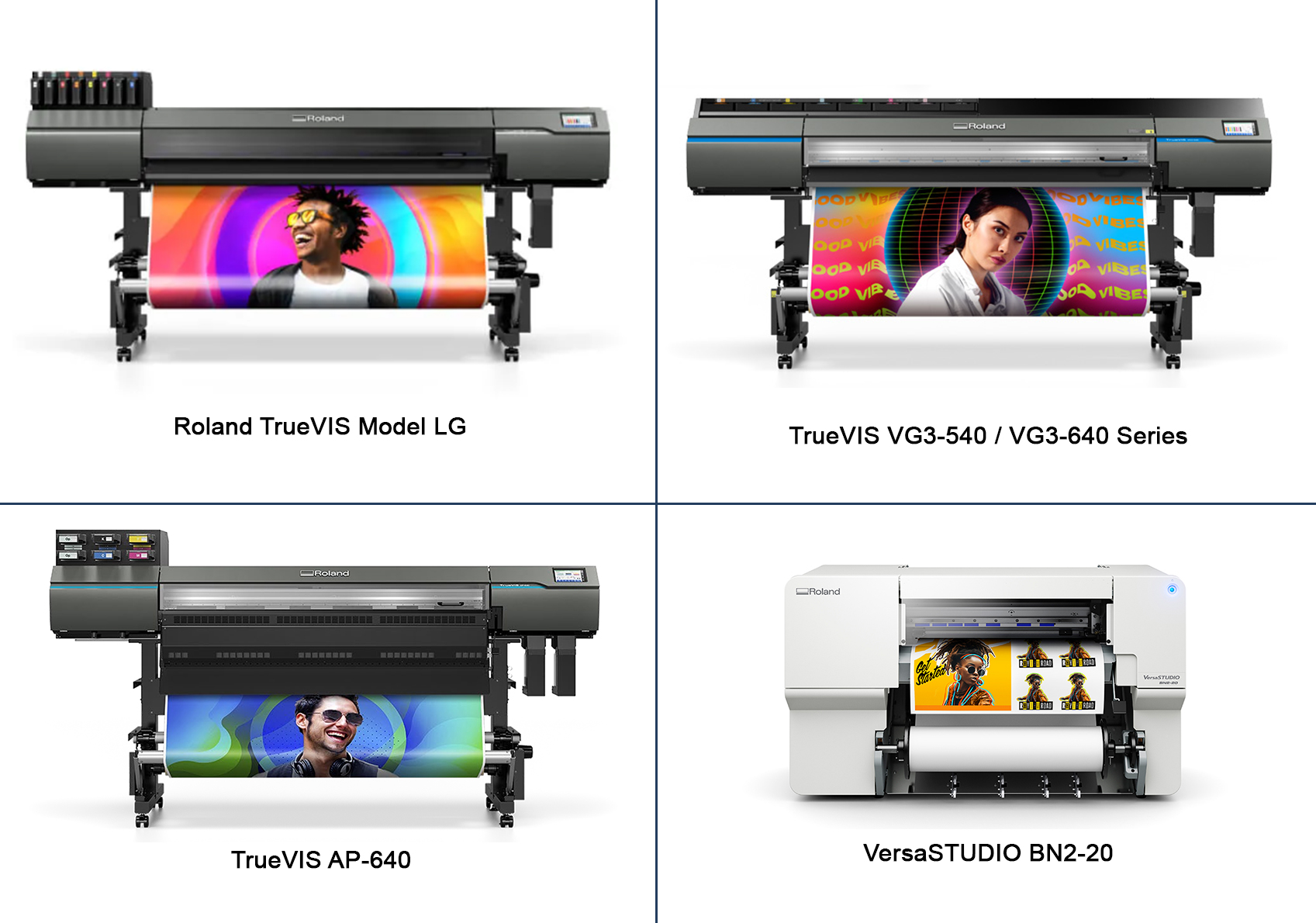
The Roland TrueVIS AP-640 is a 64″ printer designed for high-quality, versatile large-format printing. It delivers vibrant colors, sharp images, and durable prints ideal for banners, posters, and signs. Its reliable performance makes it perfect for professional printing and marketing applications.

TrueVIS LG Series

Roland Model LG-640 / LG-540 / LG-300

The Roland TrueVIS LG Series is an eco-solvent printer built for high-quality, durable large-format printing. It produces vibrant colors and sharp graphics, making it ideal for banners, signage, and vehicle wraps. Designed for professional use, it delivers consistent performance and reliable results for marketing applications.

TrueVIS VG3 Series

TrueVIS VG3 Series Printers Cutters

The Roland TrueVIS VG3 Series is a professional printer-cutter available in 54″ and 64″ models, designed for high-quality large-format printing. It delivers vibrant colors, precise contour cutting, and durable prints for signs, banners, vehicle wraps, and decals. Built for reliability and efficiency, it supports professional workflows and high-volume production.

Poster marketing remains an effective tool for businesses and organizations seeking visibility, engagement, and brand reinforcement. With clear messaging, creative design, and strategic placement, posters can influence behavior and increase customer interaction. Large format printing enhances this impact by providing high-quality, durable visuals that stand out in crowded spaces. By combining poster marketing with other channels like digital platforms, businesses can create integrated campaigns that reach broader audiences and leave a lasting impression.


Are you in the process of starting or expanding your large format printing business and in need of expert guidance on purchasing the right printing machine? Look no further! Our team of industry experts is here to provide you with valuable insights and expert opinions to help you make the best decision for your business. With a deep understanding of the large format printing industry, we can assist you in selecting the ideal printing machine that meets your specific requirements and budget. Contact us today for a personalized consultation and let us help you make the right investment for your business’s growth and prosperity.

Tag: Large Format Printing

How to Fix Common Large Format Printing Issues

Large format printing is widely used for banners, signage, posters, wall graphics, and displays. It allows businesses to produce bold visuals that attract attention and support branding efforts. However, large format printing also comes with technical challenges that can affect print quality, production speed, and costs. Understanding how to solve these common issues helps reduce waste, improve consistency, and maintain professional results. This article explains practical solutions to the most frequent problems encountered in large format printing.

What Is Large Format Printing

large format printing

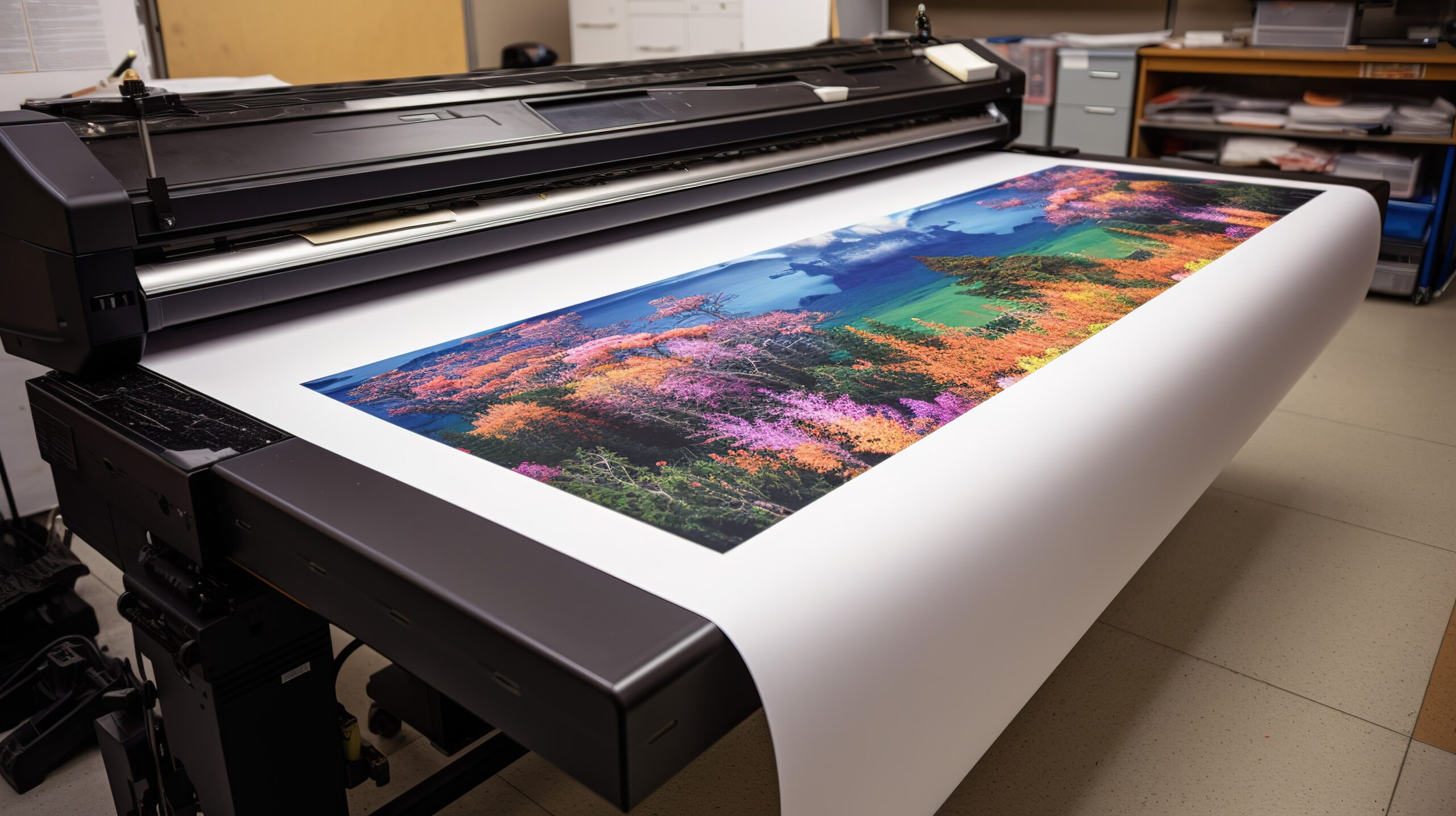
Large format printing is a printing process designed for oversized materials beyond standard printer sizes. It uses specialized printers that handle wide media and high-resolution output. These printers work with materials such as vinyl, canvas, fabric, paper, and rigid boards. Industries like advertising, retail, construction, and events rely on large format printing for visual communication and promotion.

Improving Image Resolution Issues

Low image resolution is a common issue when printing large graphics. Solving this problem starts with proper file preparation.

  • Use high-resolution images suitable for large-scale output.
  • Avoid enlarging small images beyond their original size.
  • Request original design files instead of compressed images.
  • Check resolution before printing to prevent pixelation.

Clear and sharp images ensure professional-looking prints at any size.

Fixing Colour Inconsistency Problems

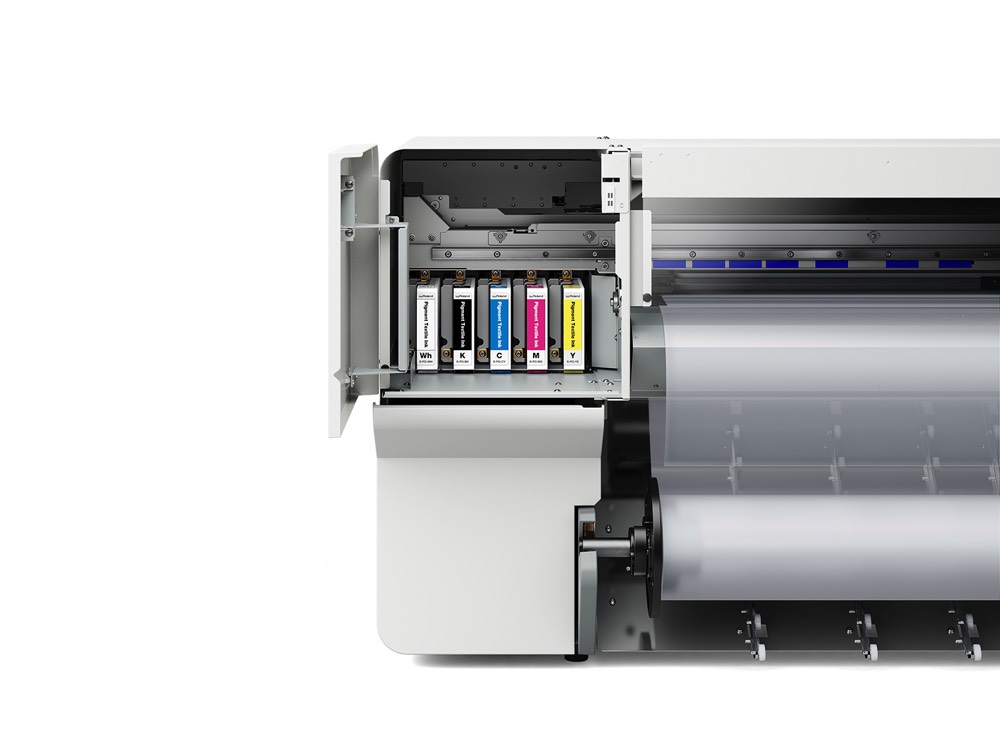
Roland Eco-UV Ink Cartridges

Colour differences between screen and print can frustrate both printers and clients. Correct colour management helps achieve accurate results.

  • Convert files from RGB to CMYK before printing.
  • Calibrate monitors regularly to match print output.
  • Use correct ICC colour profiles for each printer and media.
  • Perform test prints to verify colour accuracy.

Consistent colour control improves brand reliability and visual appeal.

Preventing Banding and Streaking

Banding and streaking reduce print quality and signal printer issues. Regular maintenance and correct settings help prevent these defects.

  • Clean print heads according to manufacturer guidelines.
  • Adjust print speed settings for smoother ink distribution.
  • Use recommended ink and media combinations.
  • Run nozzle checks before starting large print jobs.

These steps help maintain smooth and even print output.

Reducing Ink Smudging and Bleeding

Ink smudging and bleeding occur when ink fails to dry or adhere properly. Adjusting materials and environment solves this issue.

  • Select ink types compatible with the chosen media.
  • Reduce ink density when printing on absorbent materials.
  • Allow sufficient drying or curing time before handling prints.
  • Control humidity levels in the printing area.

Proper ink control ensures clean edges and sharper designs.

Solving Media Feeding Problems

Printer - Paper Jamming

Media feeding issues cause misalignment and wasted materials. Proper setup and handling reduce these problems.

  • Load media straight and secure it correctly.
  • Adjust tension settings based on material thickness.
  • Inspect rollers for dirt or wear regularly.
  • Store media rolls properly to prevent warping.

Correct feeding ensures accurate and consistent print alignment.

Choosing Compatible Materials

Material compatibility directly affects print quality and durability. Using the right materials prevents many common failures.

  • Match ink types with approved media surfaces.
  • Test new materials before full production runs.
  • Avoid low-quality substrates that absorb ink unevenly.
  • Follow manufacturer recommendations for media use.

Compatible materials improve colour vibrancy and print lifespan.

Preventing Ink Clogging and Print Head Damage

Ink clogging reduces output quality and increases maintenance costs. Preventive care keeps print heads functioning properly.

These practices extend print head life and improve consistency.

Correcting File Setup and Scaling Errors

File setup mistakes lead to incorrect sizing and cut-off designs. Proper preparation avoids costly reprints.

  • Set the correct document size and scale before exporting files.
  • Include bleed and crop marks when required.
  • Outline fonts to prevent text issues.
  • Double-check dimensions against final output size.

Accurate file setup saves time and materials.

Managing Drying and Curing Time

Slow drying can delay production and damage finished prints. Planning and environmental control reduce curing problems.

  • Allow recommended drying time for each ink type.
  • Avoid stacking prints immediately after printing.
  • Maintain proper airflow around printed materials.
  • Adjust ink limits to reduce excessive ink buildup.

Controlled drying ensures clean and durable prints.

Controlling Environmental Conditions

Temperature and humidity affect both printers and materials. Managing the print environment improves reliability.

  • Maintain stable temperature levels in the print room.
  • Keep humidity within recommended ranges.
  • Reduce dust and airborne particles near printers.
  • Use climate control systems when necessary.

A stable environment supports consistent print quality.

Improving Finishing and Installation Results

Poor finishing reduces the value of large format prints. Careful handling improves the final presentation.

  • Apply lamination evenly to prevent bubbles.
  • Use proper cutting tools for clean edges.
  • Choose adhesives suited to the installation surface.
  • Train installers on correct mounting techniques.

Good finishing enhances durability and visual impact.

Maintaining Large Format Printing Equipment

Roland TrueVIS Pro XP-640

Regular maintenance prevents breakdowns and production delays. A consistent care routine improves machine performance.

  • Follow scheduled maintenance tasks from the manufacturer.
  • Inspect parts for wear and replace them early.
  • Clean internal components regularly.
  • Keep maintenance logs for tracking issues.

Proper upkeep reduces downtime and repair costs.

Managing Costs and Reducing Waste

Large format printing can become expensive without proper control. Smart planning helps reduce unnecessary expenses.

  • Perform test prints before full production.
  • Monitor ink usage and adjust settings.
  • Reuse leftover materials when possible.
  • Schedule jobs efficiently to reduce setup waste.

Cost management improves profitability and efficiency.

Improving Workflow and Quality Control

A smooth workflow reduces errors and delays. Clear processes improve output consistency.

  • Standardize file preparation procedures.
  • Assign quality checks at each production stage.
  • Document settings for repeat jobs.
  • Communicate clearly with clients about requirements.

Strong workflows ensure reliable and repeatable results.

Solving common issues in large format printing requires attention to preparation, equipment, materials, and environment. Problems such as colour inconsistency, banding, media feeding errors, and ink issues can be minimized through proper setup and maintenance. By following best practices and preventive measures, businesses can improve print quality, reduce waste, and meet production deadlines. With the right approach, large format printing becomes a dependable and effective solution for visual communication.


Are you in the process of starting or expanding your large format printing business and in need of expert guidance on purchasing the right printing machine? Look no further! Our team of industry experts is here to provide you with valuable insights and expert opinions to help you make the best decision for your business. With a deep understanding of the large format printing industry, we can assist you in selecting the ideal printing machine that meets your specific requirements and budget. Contact us today for a personalized consultation and let us help you make the right investment for your business’s growth and prosperity.

Tag: Large Format Printing

How Businesses Use Printing for Effective Advertising

Advertising is about spreading a message that connects people to products or services. Even with the rise of digital media, print advertising remains powerful. It offers something that people can touch, hold, and keep. Printed ads help businesses build trust and visibility. From flyers to billboards, print can fit any business size and budget. This article explores the role of printing in advertising, the best printing methods, and creative ways to use print for marketing.

Why Print Advertising Still Matters

Print advertising has been used for hundreds of years. It remains relevant because of its impact on people’s memory. A physical printed ad makes a brand feel more real than an online post. People spend more time with printed materials compared to digital ads they often scroll past.

Print advertising is also flexible. It can be local, regional, or national. Flyers can reach a small community, while magazines and billboards can cover larger markets. For many businesses, print advertising works best when combined with digital marketing. This creates a balance between reach and trust.

Common Types of Print Advertising

Printed Marketing Materials

There are many print formats available for advertising. Each has its own strengths, depending on goals and target audience.

Here are the most common types:

Flyers and Leaflets

These are cost-effective and easy to distribute in local areas. They are great for small businesses, promotions, or events.

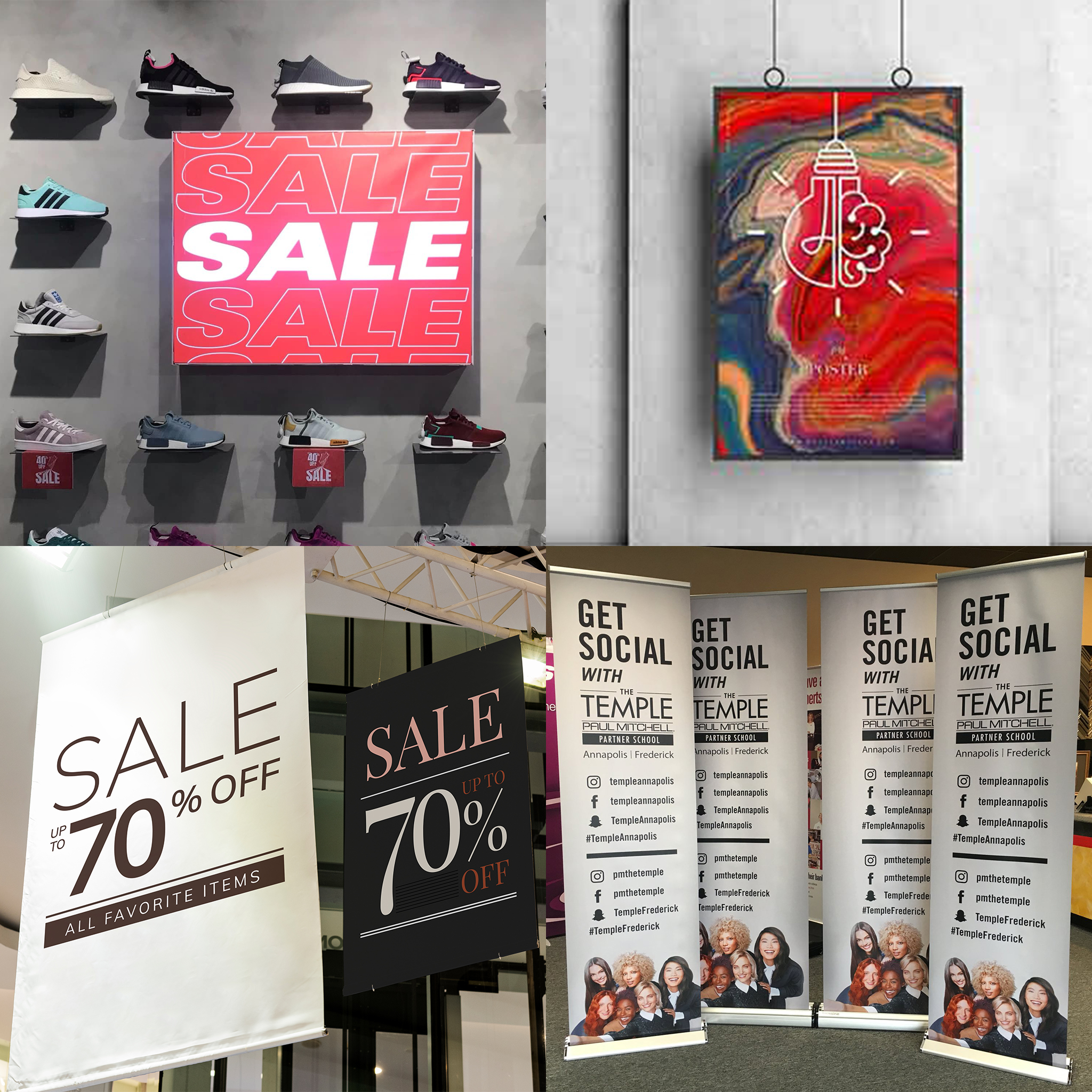
Posters

Posters catch attention in public spaces. They are useful for concerts, movies, sales, and awareness campaigns.

Brochures

Brochures provide detailed information in a compact form. They work well for real estate, schools, or tourism.

Magazines and Newsletters

These reach specific audiences who trust the publication. Ads in magazines often target niche groups.

Newspapers

Newspaper ads remain popular for local businesses. They are effective for sales, job postings, and announcements.

Billboards and Outdoor Banners

These create large-scale visibility. They are placed in high-traffic areas to gain maximum exposure.

Direct Mail

Personalized print delivered to mailboxes makes customers feel valued. It works for catalogues, postcards, or coupons.

The Best Type of Printing for Advertising

Before choosing the right print advertising method, businesses need the right printing process. Different printing methods offer different results. Each works best for certain advertising materials.

Here are the main types of printing used in advertising:

  • Offset printing is one of the most common methods. It is ideal for large runs, such as newspapers, magazines, and brochures. It offers high-quality prints and cost savings in bulk.
  • Digital printing is a fast and cost-effective option for small batch production. It is great for flyers, posters, and short-run marketing campaigns. It also allows personalization, such as customer names on direct mail.
  • Large-format printing is used for banners, posters, and billboards. It produces bold visuals on a wide range of materials. Large-format printing works well for outdoor advertising.
  • Direct-to-Film printing and Direct-to-Garment printing are often used for promotional items like T-shirts, tote bags, and signage. It provides bright colours and long-lasting results.
  • Flexography is used for packaging and labels. It helps brands advertise through branded packaging and custom labels.

Each printing method serves a unique purpose. For large-scale visibility, large-format printing is best. For smaller, more personal ads, digital and offset printing provide quality and flexibility.

Best Printers for Print Advertising in 2025

Some of the best printers that produce advertising materials are:

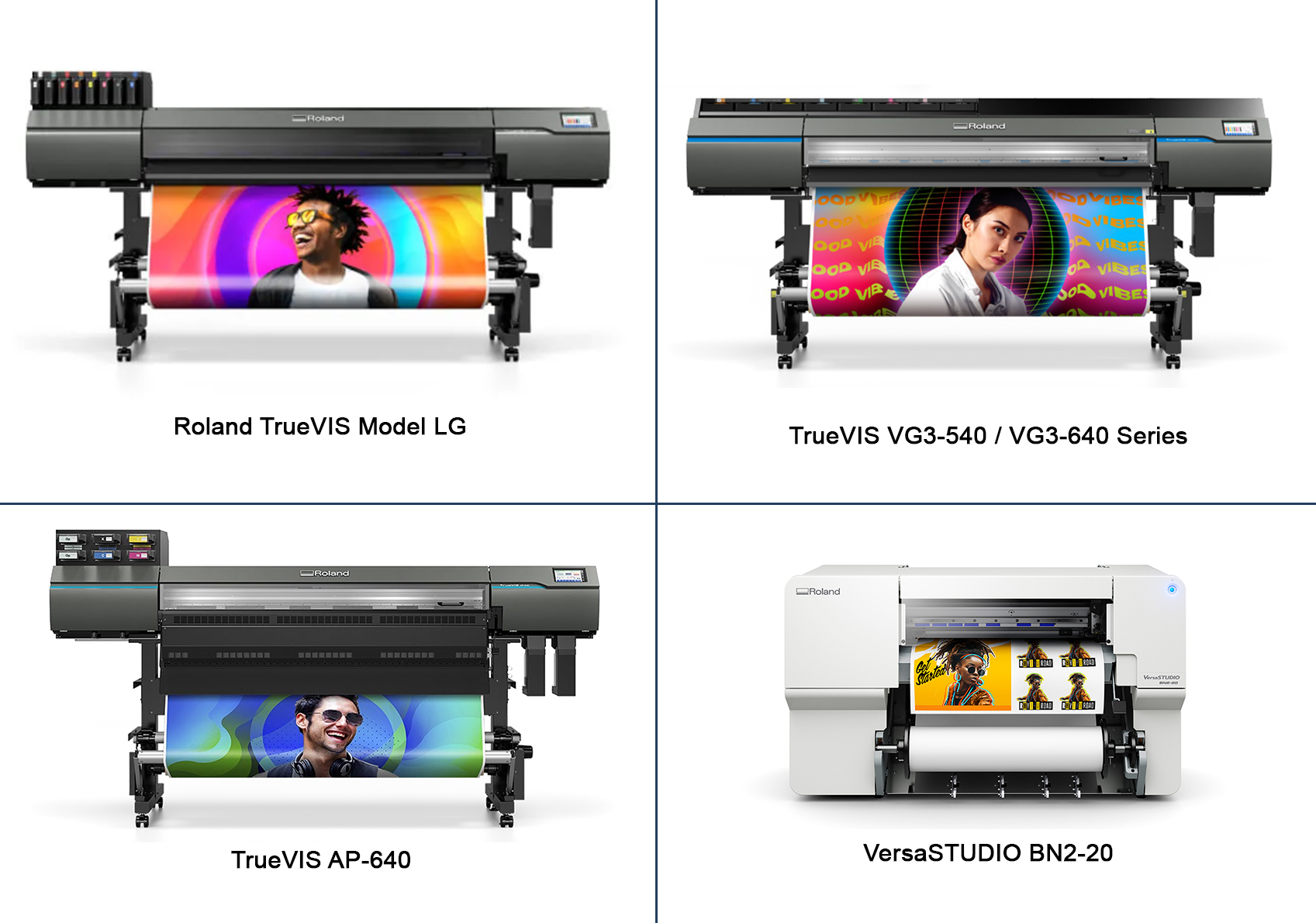
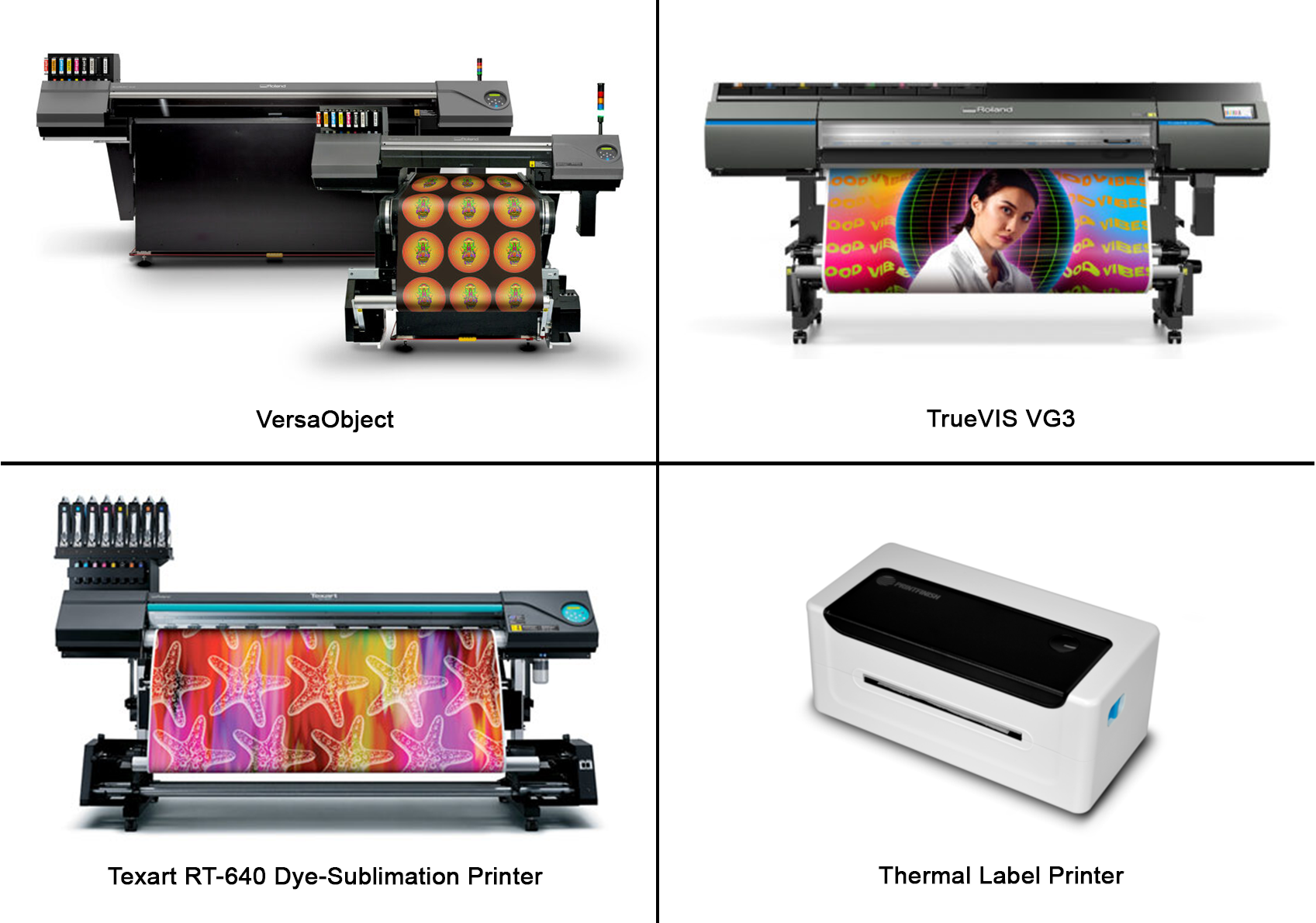
TrueVIS VG3 Series Printers Cutters

The TrueVIS VG3-540 and VG3-640 are advanced printer-cutter series designed for unmatched efficiency and print quality. They combine vibrant colour output with precise contour cutting, allowing seamless production of signs, decals, wraps, and more. Built for professionals, these machines deliver reliability, versatility, and performance in one powerful solution.

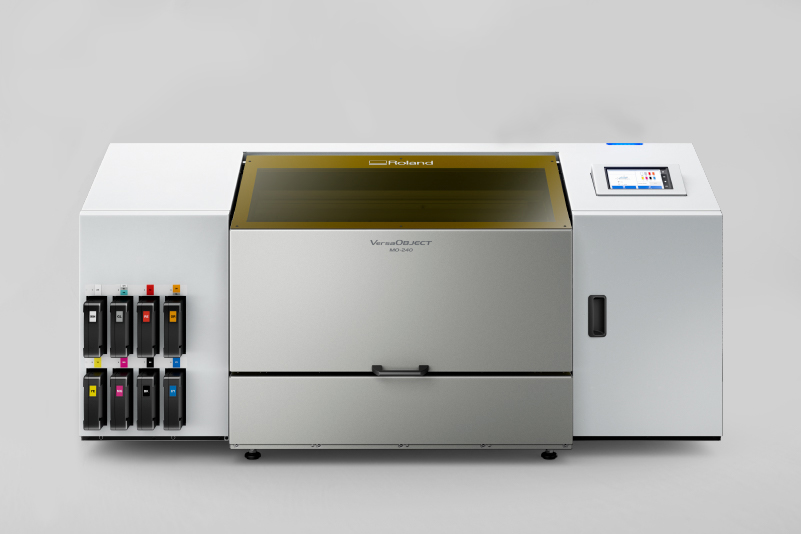
Roland VersaObject MO-240 Flatbed UV Printer

This state-of-the-art UV flatbed printer represents the peak of direct-to-object printing, delivering exceptional precision and versatility. Utilizing advanced UV curing technology, VersaOBJECT MO-240 enables direct printing on a wide range of surfaces, including rigid materials such as glass, metal, and wood. Below are some of the standout features of the VersaOBJECT MO-240:

Further reading: Introducing Roland VersaOBJECT MO-240 Flatbed UV Printer
Roland Versa Object CO Series - Flatbed UV & Hybrid Printer
Roland Versa Object CO Series – Flatbed UV & Hybrid Printer

Digital UV printing has reached new levels of versatility, and the Roland CO-i series is an ideal solution for customizing boards and objects up to 9.5 inches (242 mm) in height, including irregular 3D items. It delivers high-quality, vibrant, and eye-catching graphics directly onto a wide variety of materials, such as metal, plastic, wood, board, canvas, vinyl, paper, and more.

Roland TrueVIS AP-640

The Roland TrueVIS AP-640 is a professional resin printer designed for high-quality, versatile, and eco-friendly printing applications. It delivers sharp graphics, vibrant colours, and durable results, making it ideal for banners, posters, wallpapers, and other large-format projects.

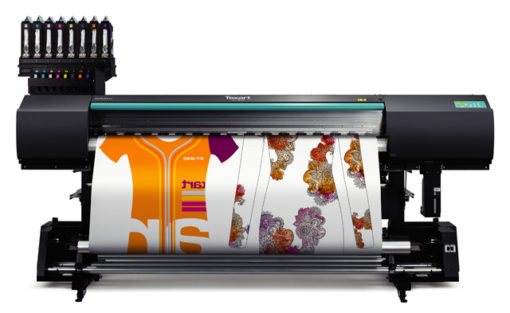
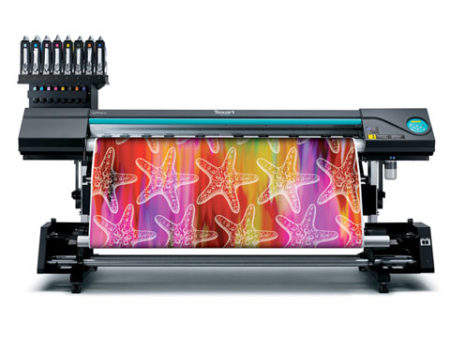
Roland TrueVIS Pro XP-640

The Roland TrueVIS Pro XP-640 is a 64″ eco-solvent printer built for professional large-format printing. It offers outstanding colour accuracy, smooth gradients, and durable prints suitable for indoor and outdoor use. With its advanced ink technology and reliable performance, it is perfect for producing signs, vehicle wraps, banners, and other high-impact graphics.

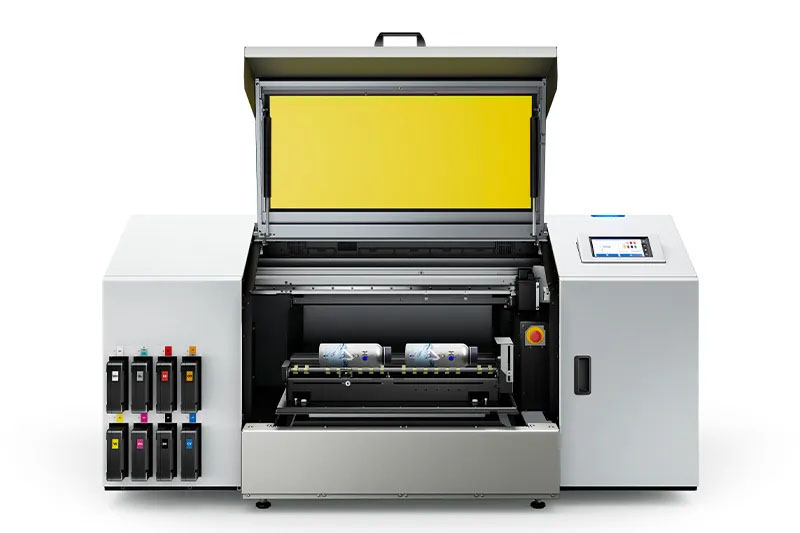
VersaSTUDIO BD-8 Desktop UV Flatbed Printer

The VersaSTUDIO BD-8 seamlessly blends precision engineering, versatility, and intuitive functionality to cater to a wide range of users. Whether you’re a small business owner looking to diversify your product line or a creative professional bringing unique ideas to life, Roland DG’s latest innovation guarantees outstanding quality and superior performance.

Further reading: Introducing Roland VersaSTUDIO BD-8 Desktop UV Flatbed Printer
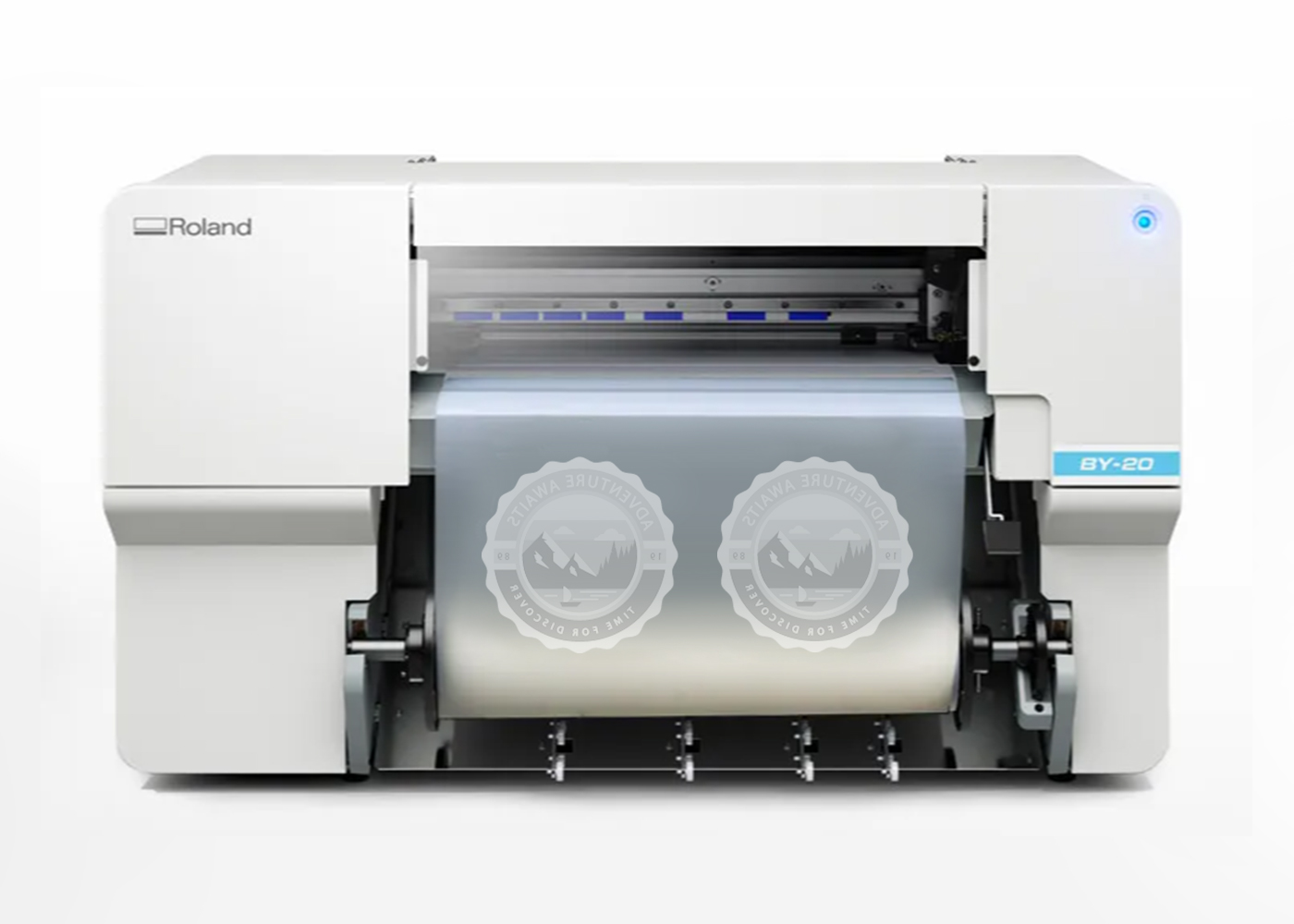
VersaSTUDIO BY-20
VersaSTUDIO BY-20

Roland DG has released the latest and most innovative Direct-to-Film printer, the Roland VersaStudio BY-20. It’s a highly versatile desktop device ideal for a range of direct-to-film apparel applications, such as creating custom T-shirts, sportswear, tote bags, and more. With its compact design, it is even perfect for small businesses that have small production space.

DTF TY-300 Printer
Roland DTF Printer TY-300

Another latest DTF printer is the Roland DTF Printer TY-300. It is a high-performance direct-to-film printer that produces vibrant graphics on various materials, including cotton and polyester. Create custom apparel and textiles with DTF technology that delivers bright colours, sharp text, and fine details while saving time and costs.

Further reading:

Investing in a Direct-to-Garment (DTG) Printing Business

8 Reasons to Invest in a Direct-to-Film Printing Business

Benefits of Advertising with Printing

Print advertising offers many advantages. Businesses choose it because it can be both powerful and practical.

Here are some key benefits:

  • Tangibility – Customers can hold and keep printed ads, which makes them more memorable.
  • Credibility – Print feels more trustworthy than digital ads that can be skipped or ignored.
  • Long Shelf Life – Magazines, brochures, or posters may stay in homes and offices for weeks or months.
  • Targeted Reach – Direct mail and niche magazines reach very specific audiences.
  • High Impact – Large formats like billboards and banners grab attention quickly.

These benefits explain why print remains valuable in modern marketing.

Creative Ways to Use Print Advertising

Collage of Printed Materials

Printing allows businesses to get creative with their advertising. Unique designs and formats help brands stand out.

Here are some creative print advertising ideas:

  • Interactive Prints – Add QR codes that connect customers to websites, videos, or discount offers.
  • Die-Cut Shapes – Flyers or brochures shaped like products attract more interest.
  • Texture and Finishes – Use embossing, foiling, or soft-touch lamination to make ads feel premium.
  • Limited Edition Prints – Create special edition posters or postcards for events or launches.
  • Combination Campaigns – Combine direct mail with social media for better engagement.
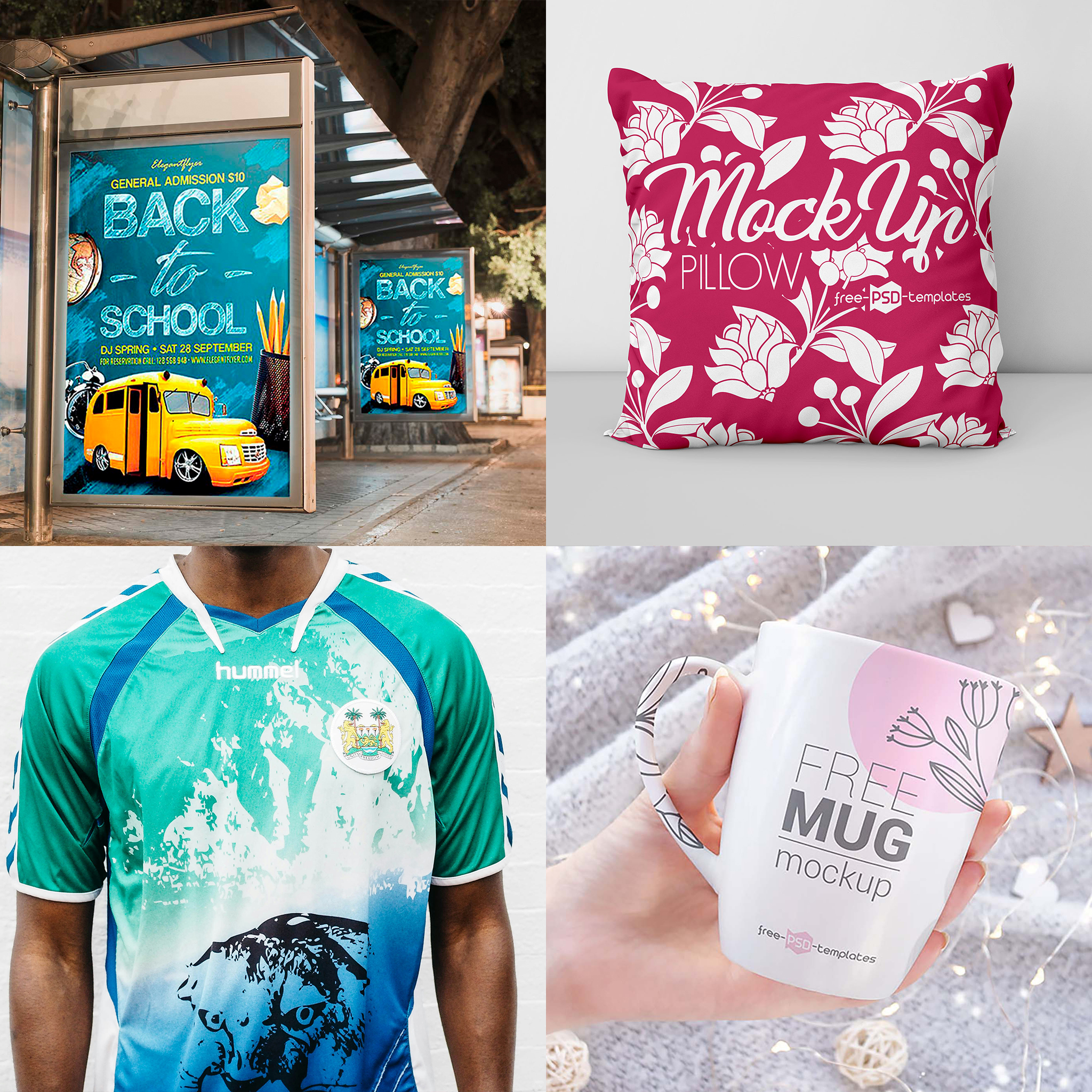
  • Promotional Products – Using UV printing to print on uneven surfaces like mugs, gadgets, ballpens and other giveaways.

Creativity helps print advertising make a lasting impression.

How to Make Print Advertising More Effective

To get results from print advertising, planning is important. Businesses need clear goals and smart design.

Here are some tips:

  1. Know Your Audience – Understand who you want to reach before choosing a print format.
  2. Use Simple Messages – Keep text short and clear so people get the message quickly.
  3. Invest in Design – Eye-catching visuals and strong branding make ads stand out.
  4. Choose the Right Format – Pick flyers for local events or billboards for wide reach.
  5. Use High-Quality Printing – Clear and vibrant prints show professionalism and build trust.
  6. Track Your Campaigns – Use QR codes, coupon codes, or phone numbers to measure response.

These practices make print advertising campaigns stronger and more cost-efficient.

Industries That Benefit Most from Print Advertising

Many industries still rely heavily on print advertising. They value the trust and visibility it provides.

Here are some industries that benefit the most:

  • Retail – Flyers, posters, and catalogues help drive foot traffic and sales.
  • Real Estate – Brochures and direct mail showcase properties in detail.
  • Hospitality – Hotels and restaurants use menus, signage, and banners to attract guests.
  • Education – Schools and universities promote programs through brochures and newsletters.
  • Healthcare – Clinics use posters and leaflets to share services and health tips.

These industries show that print advertising works for both small businesses and large organizations.

The Future of Print Advertising

Printing technology continues to improve. Today’s printers can produce faster, sharper, and more eco-friendly results. Many businesses now use recycled paper and eco inks to meet customer expectations.

The future of print advertising will combine with digital tools. For example, printed ads with QR codes or augmented reality features can create engaging experiences. This blend of old and new makes print advertising more powerful.

Print advertising remains a trusted and effective way to promote products and services. It gives businesses the chance to connect with people physically and memorably. With the right printing method, creative design, and smart planning, print ads can deliver strong results. Whether through flyers, billboards, or direct mail, advertising with printing continues to be a vital part of marketing.


If you are a potential business owner looking to venture into the world of large-format printing, PRINTFINISH is your ultimate partner for success. Our comprehensive range of cutting-edge printing and finishing solutions, coupled with our expertise and exceptional customer support, will empower your business to thrive in the competitive market. Contact us today and unlock the full potential of your printing business with PRINTFINISH as your trusted partner.

Tag: Large Format Printing

Different Marketing Ideas via Large Format Printing

In a world where first impressions count and visibility is key, large format printing offers a bold and effective way to get noticed. Whether you’re launching a product, promoting an event, or reinforcing brand identity, large format printing delivers eye-catching visuals on a grand scale. From banners and posters to vehicle wraps and window displays, this marketing tool helps businesses create high-impact visuals that grab attention and drive engagement. With advancements in printing technology and materials, large format printing continues to evolve as a powerful solution for businesses seeking to stand out in crowded marketplaces.

What Is Large Format Printing?

Large format printing, also known as wide-format printing, refers to the process of printing graphics on materials larger than standard commercial printers can handle. Typically, it’s used to produce items that require high visibility, such as billboards, trade show displays, retail signage, wall graphics, and outdoor advertisements. These prints are created using specialized equipment that supports large dimensions and delivers high-resolution output on various substrates including vinyl, fabric, canvas, foam board, and more.

One of the key advantages of large format printing is its versatility. It can be used indoors or outdoors, temporary or permanent, decorative or promotional. Businesses across all industries—retail, real estate, hospitality, education, and entertainment—leverage large format printing to support their marketing goals in memorable ways.

Benefits of Large Format Printing in Marketing

large format printing

Large format printing offers several distinct advantages for marketers:

  • Large graphics naturally attract attention, especially when placed in high-traffic areas.
  • A wide range of materials and finishes allows for creative flexibility.
  • Consistent use of brand colours, fonts, and logos in large visuals helps strengthen brand identity.
  • With UV-resistant inks and weatherproof materials, large format prints are built to last.
  • For the size and impact they deliver, large format prints offer a great return on investment, especially for long-term campaigns.

Creative Marketing Ideas Using Large Format Printing

Large format printing can be applied in numerous marketing scenarios. Here are several impactful ideas businesses can explore:

1. Window Graphics

Storefront windows are prime real estate for advertising. Use large format window decals to promote seasonal sales, new arrivals, or store events. Transparent or opaque designs can be customized to match your brand’s aesthetic while maximizing exposure to foot traffic.

2. Vehicle Wraps

Transform company vehicles into mobile billboards with branded vehicle wraps. This technique turns cars, vans, or trucks into advertising tools that promote your business wherever they go. Full wraps, partial wraps, or decals can all deliver high-impact brand exposure.

3. Trade Show Displays

Large format printing is essential for creating impressive trade shows and event displays. Branded backdrops, retractable banners, floor graphics, and custom booth signage not only attract attendees but also convey professionalism and brand consistency in crowded environments.

4. Wall Murals and Interior Graphics

Businesses can enhance interior spaces with large wall graphics or murals that reflect brand personality, inspire employees, or educate customers. In retail or hospitality settings, these visuals can guide shoppers, create ambiance, or highlight product features.

5. Outdoor Banners and Flags

Outdoor advertising remains effective when combined with vibrant, weather-resistant large format prints. Use banners, flags, and A-frame signs to announce grand openings, special offers, or events. Positioned strategically, these materials help draw customers from a distance.

6. Billboards and Building Wraps

For major promotions or brand awareness campaigns, billboards and building wraps deliver massive exposure. These oversized formats dominate the landscape, making them ideal for high-traffic urban areas or major intersections.

7. Point of Sale (POS) Displays

Large format prints are frequently used in retail for POS displays. End-cap signage, hanging posters, and floor decals placed near checkout counters can influence impulse purchases and increase sales.

8. Step and Repeat Backdrops

Perfect for photo ops at corporate events, fundraisers, or product launches, step and repeat banners feature repeating logos or brand elements and serve as engaging backdrops. These visuals are excellent for both live events and social media sharing.

Tips for Effective Large Format Marketing

To get the most out of large format printing, consider these best practices:

  1. Keep It Simple: Large prints should be easy to read from a distance. Use short, impactful messaging and clear visuals.
  2. High-Resolution Graphics: Ensure images and logos are high-quality to avoid pixelation or blurriness in large formats.
  3. Use Bold Colours and Contrast: Eye-catching colours and strong contrast help important elements stand out.
  4. Focus on Branding: Consistent use of logos, fonts, and colour schemes reinforces brand identity.
  5. Location Matters: Choose prominent, high-traffic locations for maximum visibility and engagement.
  6. Choose the Right Material: Match your substrate to the environment. For example, use waterproof vinyl for outdoor banners or fabric for indoor displays.

Large Format Printing in a Digital Age

Large Format Printing

While digital marketing is often seen as the go-to channel, large format printing offers a tangible, high-impact complement. It doesn’t compete with digital—it enhances it. Many businesses integrate QR codes, URLs, and social media handles into printed graphics, connecting physical visuals with online engagement. For example, a storefront banner might include a QR code that links to an online discount or product page, creating a seamless experience between physical presence and digital interaction.

Large format printing continues to be a powerful and effective marketing tool for businesses looking to make bold statements and enhance visibility. With its wide range of applications—from window graphics and trade show displays to vehicle wraps and outdoor banners—it provides creative opportunities to engage audiences in visually compelling ways. When designed thoughtfully and placed strategically, large format prints can elevate brand presence, capture attention, and drive real results. In a cluttered advertising world, going big might just be the smartest move you make.

Are you in the process of starting or expanding your large format printing business and in need of expert guidance on purchasing the right printing machine? Look no further! Our team of industry experts is here to provide you with valuable insights and expert opinions to help you make the best decision for your business. With a deep understanding of the large format printing industry, we can assist you in selecting the ideal printing machine that meets your specific requirements and budget. Contact us today for a personalized consultation and let us help you make the right investment for your business’s growth and prosperity.

Tag: Large Format Printing

The Evolution of Printing

Printing has played a pivotal role in shaping civilization, from disseminating religious texts to mass producing educational materials, packaging, advertising, and creative expression. Its evolution spans thousands of years, adapting to changing needs, technologies, and cultural shifts. Understanding the history and development of printing helps us appreciate how deeply embedded it is in the progress of human communication and technological innovation.

Early Beginnings: Pre-Mechanical Printing

The story of printing begins long before machines were invented. As early as 3000 BCE, ancient Mesopotamians used carved stamps and cylinder seals to imprint symbols onto clay tablets. In China, around 200 CE, woodblock printing emerged—one of the earliest known methods of transferring ink to fabric and paper. Artisans would carve entire pages of text or illustrations onto wooden blocks, ink them, and press them onto a surface.

By the 8th century, woodblock printing spread to other parts of Asia. In 868 CE, the Diamond Sutra, printed in China, became the oldest known printed book using this technique. While labour-intensive, woodblock printing was instrumental in preserving religious and literary works.

The Printing Revolution: Gutenberg’s Press

The most transformative moment in printing history came in the mid-15th century with the invention of the movable-type printing press by Johannes Gutenberg in Germany. Around 1440, Gutenberg developed a system of cast metal movable type, oil-based ink, and a mechanical press. This innovation allowed for the rapid, repeatable production of texts, drastically reducing the cost and time required to produce books.

Gutenberg’s 42-line Bible, printed around 1455, marked the beginning of the Printing Revolution. It democratized knowledge, enabling the spread of scientific, political, and religious ideas across Europe. The invention is widely credited with fueling the Renaissance, the Reformation, and the Scientific Revolution.

Growth and Diversification: 16th–19th Centuries
In the centuries following Gutenberg’s press, printing technology spread rapidly. By the 1500s, printing presses were established throughout Europe, leading to a boom in book production and literacy.

The 17th and 18th centuries saw improvements in typesetting, press design, and ink formulation. By the early 1800s, the steam-powered press, developed by Friedrich Koenig, revolutionized printing once again. It significantly increased production speed, making newspapers and periodicals more widely accessible.

In 1870, offset lithography was introduced. This technique, which involves transferring an inked image from a plate to a rubber blanket and then to the printing surface, provided a cleaner, more efficient way to reproduce images and text on various materials.

The Digital Age: 20th Century Advancements

The 20th century marked a dramatic shift in printing technology with the introduction of digital printing. Technologies like laser printing, inkjet printing, and electrophotography (used in photocopiers and laser printers) emerged, offering faster and more affordable solutions for small and large-scale printing.

One breakthrough was the development of desktop publishing in the 1980s. This enabled individuals and small businesses to design and print materials like brochures, flyers, and newsletters using personal computers and software. Printers became more compact and affordable, making printing more accessible than ever.

At the same time, offset printing remained dominant for high-volume print jobs such as newspapers, books, and packaging. Innovations in automation and prepress technologies further streamlined the process.

Large Format and Specialized Printing

large format printing

Another leap came with the rise of large-format printing, which allowed for the production of banners, posters, vehicle wraps, and signage. This segment became crucial for industries such as advertising, architecture, and retail.

Specialized printing techniques like screen printing, flexography, gravure, and dye-sublimation emerged to meet diverse commercial and industrial needs—from printing on fabrics and plastics to high-quality art reproductions.

In more recent years, direct-to-garment (DTG) and direct-to-film (DTF) printing methods have transformed apparel customization, while 3D printing introduced a new paradigm, creating physical objects layer by layer using digital models.

Printing in the Modern World

Today, printing exists at the intersection of analog and digital. While digital media has reduced the demand for certain types of printed materials (like newspapers), it has also driven demand for high-quality, custom, and short-run prints in areas like packaging, art, marketing, and promotional goods.

Modern printers now support on-demand printing, reducing waste and storage costs. Cloud-based and wireless connectivity has further increased convenience and accessibility. Sustainable printing practices, such as soy-based inks, recycled paper, and energy-efficient machinery, are being adopted to address environmental concerns.

From carved wooden blocks to high-speed digital presses, the evolution of printing has been nothing short of revolutionary. Each advancement has made it easier for people to share ideas, tell stories, and conduct business across distances and generations. Today, printing continues to adapt to the changing needs of industries, combining precision, speed, and creativity to serve a digital-savvy world. As printing technology continues to evolve, its role in communication, commerce, and culture remains as vital as ever.


Are you ready to harness the power of modern printing for your business? Embrace the endless possibilities that advanced printing technologies offer, and take your brand to new heights with captivating visuals and impactful messages. Whether you’re looking to enhance your marketing materials, create stunning promotional items, or showcase your creativity through custom designs, modern printing can be your gateway to success. Contact us today to explore our range of state-of-the-art printing solutions and see how we can elevate your business to the next level. Let’s embark on a journey of innovation together and make your brand stand out in the modern printing landscape!

Tag: Large Format Printing

Printing 101: What is Print Marketing?

Print marketing is a traditional yet highly effective form of advertising that uses physical printed materials to promote a brand, product, or service. Despite the rise of digital marketing, print marketing continues to play a vital role in engaging customers and building brand credibility. Printed materials, such as brochures, flyers, business cards, banners, and direct mail, provide a tangible way for businesses to communicate with their audience. Unlike digital ads, which can be ignored or quickly forgotten, print marketing leaves a lasting impression and fosters a deeper connection with potential customers.

Understanding Print Marketing

Print marketing involves the use of professionally designed and printed materials to convey a brand’s message to its target audience. These materials can be distributed in various ways, such as mailing directly to customers, handing them out at events, or displaying them in high-traffic locations. Print marketing helps businesses establish a sense of professionalism, trust, and authenticity, as physical materials are often perceived as more credible than digital ads. Additionally, print marketing is not dependent on internet access, making it accessible to a broader audience, including those who may not engage heavily with digital content.

Unlike digital marketing, where advertisements can disappear in a matter of seconds, printed materials have a longer shelf life. A well-designed brochure or business card can sit on a customer’s desk for weeks or months, constantly reinforcing brand awareness. Additionally, print marketing can work alongside digital marketing strategies, such as incorporating QR codes or website links to drive traffic online, creating an integrated marketing approach.

Types of Print Marketing Materials

Collage of Printed Materials

There are several types of print marketing materials, each serving a different purpose in a business’s promotional strategy:

  • Brochures and Flyers – These are versatile and cost-effective marketing tools that provide detailed information about products, services, or events. Businesses can distribute them in stores, at trade shows, or through direct mail campaigns.
  • Business Cards – Business cards remain an essential networking tool, providing a quick and professional way to share contact information. A well-designed business card helps leave a memorable impression on potential clients or partners.
  • Posters and Banners – Large-format printed materials such as posters and banners are excellent for capturing attention in high-traffic areas. They are commonly used for advertising promotions, events, or product launches.
  • Direct Mail Campaigns – Postcards, catalogs, and personalized letters sent directly to customers are an effective way to engage potential buyers. Direct mail allows businesses to target specific audiences and has a higher open rate than email marketing.
  • Branded Merchandise – Printed promotional items such as T-shirts, tote bags, mugs, and pens help reinforce brand identity. These items serve as long-term advertising tools as they are frequently used by customers.
  • Packaging and Labels – Custom packaging with well-designed branding elements enhances the customer experience and increases brand recognition. Eye-catching packaging can differentiate a product from competitors on store shelves.
  • Print Advertisements – Traditional print ads in newspapers, magazines, and industry publications help businesses reach their target demographic with credibility and professionalism.
  • Trade Show and Event Materials – Standees, booth displays, and informational booklets are crucial for making an impact at business expos and industry events.

Benefits of Print Marketing

1. Tangibility and Longevity

Printed materials provide a physical presence that digital marketing cannot replicate. A flyer, brochure, or business card can be kept, shared, and revisited multiple times, increasing the chances of customer engagement.

2. Credibility and Trustworthiness

Consumers tend to view print materials as more reliable and trustworthy compared to digital advertisements, which can sometimes be seen as intrusive or overwhelming. Print marketing adds legitimacy to a brand and helps establish a professional image.

3. Higher Engagement and Retention

Studies show that people are more likely to engage with printed materials than digital ads. Physical copies require focus and attention, leading to better message retention compared to digital content, which can be easily scrolled past or closed.

4. Less Competition and Digital Fatigue

With businesses heavily investing in online advertising, digital platforms are oversaturated with ads, leading to banner blindness and ad fatigue. Print marketing provides an alternative that stands out and captures attention without competing in an overcrowded digital space.

5. Targeted Marketing

Print marketing allows for precise audience targeting, especially through direct mail campaigns. Businesses can send promotional materials to specific demographics, locations, or customer segments, ensuring a higher return on investment.

6. Complements Digital Marketing

Print marketing does not have to compete with digital marketing; instead, it can enhance it. By including QR codes, social media handles, and website links, businesses can drive traffic from print materials to their online platforms, creating a seamless marketing experience.

Common Types of Printing Used in Print Marketing

Common Types of Printing

Various printing methods are used to create effective print marketing materials, each catering to different business needs. Some techniques are best for producing large quantities with high-quality results, while others focus on customization and quick turnaround.

1. Offset Printing

Offset printing is the most common method for producing high-quality, large-volume print materials. It involves transferring ink from a plate to a rubber blanket before printing on paper. This technique is ideal for brochures, magazines, and business cards due to its cost efficiency for bulk printing and exceptional color accuracy.

2. Digital Printing

Digital printing is a fast and flexible option that allows businesses to print smaller quantities without the need for printing plates. It is ideal for personalized marketing materials like direct mail campaigns, as it enables variable data printing, allowing each printed piece to be customized with unique details.

3. Large Format Printing

Large format printing is used for oversized promotional materials such as banners, posters, and trade show displays. This type of printing ensures high-resolution graphics that can attract attention in retail stores, events, and outdoor advertising.

4. Screen Printing

Screen printing is commonly used for printing on promotional merchandise like T-shirts, bags, and other branded items. It provides durable and high-quality prints, making it a popular choice for long-lasting promotional products.

Print marketing remains a powerful and effective tool in the advertising world, offering businesses a tangible way to engage with customers and build brand recognition. Despite the dominance of digital marketing, print materials provide credibility, longevity, and a high engagement rate that digital ads often struggle to achieve. Whether through brochures, business cards, banners, or direct mail, print marketing helps businesses create a memorable impact. By integrating print with digital marketing strategies, businesses can maximize their outreach and ensure a well-rounded promotional approach in today’s competitive landscape.

If you are a potential business owner looking to venture into the world of large-format printing, PRINTFINISH is your ultimate partner for success. Our comprehensive range of cutting-edge printing and finishing solutions, coupled with our expertise and exceptional customer support, will empower your business to thrive in the competitive market. Contact us today and unlock the full potential of your printing business with PRINTFINISH as your trusted partner.

Tag: Large Format Printing

Printing Custom Stickers for Branding

Effective branding is essential in the competitive business landscape for standing out and creating a lasting impression. One of the most affordable and creative ways to boost brand visibility is through custom stickers. These versatile marketing tools allow businesses to showcase their logos, slogans, and promotional messages visually appealingly. Whether used on product packaging, as giveaways, or for vehicle and window displays, custom stickers help businesses build brand recognition and engage with customers. This article explores the benefits of printing custom stickers for branding, the different types of stickers available, the printing process, and best practices to ensure high-quality results.

Why Use Custom Stickers for Branding?

Custom stickers offer businesses a simple yet highly effective way to promote their brand. Here’s why they are a valuable branding tool:

  1. Cost-Effective Marketing – Compared to other advertising methods, stickers are affordable to produce in bulk and can be distributed easily.
  2. High Brand Visibility – Stickers can be placed on various surfaces, from laptops and water bottles to cars and storefront windows, ensuring continuous exposure.
  3. Versatility – Available in various shapes, sizes, and finishes, custom stickers can be used for product packaging, event promotions, or guerrilla marketing campaigns.
  4. Customer Engagement – People love free stickers, and when they use them on their belongings, they help spread brand awareness organically.
  5. Long-Lasting Impact – Unlike digital ads that disappear, a well-placed sticker can continue to promote a brand for months or even years.

Types of Custom Stickers for Branding

Custom Stickers

Businesses can choose from various types of custom stickers based on their needs and target audience. Some of the most popular options include:

Vinyl Stickers

Vinyl stickers are durable, waterproof, and weather-resistant, making them ideal for outdoor use. They are often used for bumper stickers, car decals, and storefront signage.

Die-Cut Stickers

Die-cut stickers are custom-shaped to match the design, giving them a professional and polished look. These are great for handing out as promotional giveaways.

Clear Stickers

Printed on transparent vinyl, clear stickers create a sleek and modern look. They work well on glass surfaces like windows and product packaging.

Holographic Stickers

These eye-catching stickers have a shiny, reflective surface that changes colours under different lighting. They are perfect for trendy brands looking to attract attention.

Matte and Glossy Stickers

Matte stickers offer a soft, non-reflective finish, while glossy stickers have a shiny surface that enhances colours. Both options are popular for packaging and promotional use.

The Printing Process for Custom Stickers

The quality of custom stickers depends on the printing process. Businesses should choose professional printing services that use high-quality materials and printing techniques. The main steps involved in printing custom stickers are:

1. Design Creation

A strong design is crucial for effective branding. Businesses should use high-resolution images, clear typography, and brand colours to create visually appealing stickers. Graphic design software like Adobe Illustrator, Photoshop, or Canva can be used to design custom stickers.

2. Choosing the Right Material

Vinyl is the most popular material for custom stickers due to its durability. However, businesses can also choose paper-based stickers for eco-friendly packaging or limited-time promotions.

3. Selecting the Printing Method

There are several printing methods used for custom stickers, including:

Digital Printing – Ideal for short-run orders and full-color designs.
Screen Printing – Produces vibrant and long-lasting stickers, often used for bulk printing.
UV Printing – Uses UV light to cure the ink, making it more durable and resistant to fading.

4. Cutting and Finishing

Stickers can be cut in various ways, such as kiss-cut (leaving the backing intact) or die-cut (trimmed to shape). Lamination can also be added for extra protection, especially for outdoor stickers.

Best Practices for Printing High-Quality Custom Stickers

To ensure the best results when printing custom stickers for branding, businesses should follow these best practices:

  • Use High-Resolution Graphics – Blurry or pixelated stickers can harm a brand’s image. Always use 300 DPI (dots per inch) resolution for sharp, clear prints.
  • Choose Colors Wisely – Stick to brand colours to maintain consistency across marketing materials. Using CMYK colour mode ensures accurate colour reproduction during printing.
  • Consider the Sticker’s Purpose – Think about where the sticker will be placed. For outdoor use, opt for waterproof and UV-resistant vinyl. For indoor use, paper-based stickers might be a more cost-effective choice.
  • Order Samples Before Bulk Printing – Before committing to a large order, request samples to check the quality, colour accuracy, and material durability.
  • Use Professional Printing Services – While DIY sticker printing is an option, professional printing companies offer better print quality, durable materials, and precise cutting options.

Using Large Format Printing for Custom Stickers

Printers for Wide Format Printing 2

For businesses that need oversized stickers for storefront displays, vehicle branding, or large promotional signs, large format printing is the best option. This technique allows for high-resolution, large-scale stickers without losing print quality.

Some Benefits of Large Format Printing for Branding Stickers:

  • Maintains colour vibrancy and sharp details, even for large designs.
  • Ideal for oversized window decals, vehicle wraps, or promotional banners.
  • Large format printed stickers use UV-resistant inks, ensuring they last in outdoor environments.
  • Companies that want to make a bold statement can use large format vinyl stickers for branding on walls, floors, and vehicles, maximizing brand exposure in high-traffic areas.

Custom stickers are an affordable, versatile, and highly effective way for businesses to strengthen their branding efforts. Whether used for product packaging, promotional giveaways, vehicle branding, or storefront advertising, stickers help businesses engage with customers and increase brand visibility.

By using high-quality printing techniques and materials, businesses can ensure their stickers are durable, visually appealing, and long-lasting. Additionally, large format printing allows companies to create bold branding displays that leave a lasting impression.

Investing in custom stickers for branding is a smart marketing move that delivers high impact at a low cost, making them an essential tool for businesses of all sizes.

Are you in the process of starting or expanding your large format printing business and in need of expert guidance on purchasing the right printing machine? Look no further! Our team of industry experts is here to provide you with valuable insights and expert opinions to help you make the best decision for your business. Contact us today for a personalized consultation and let us help you make the right investment for your business’s growth and prosperity.