We Ship to North America Free Shipping for Many Products
Tag: Direct to Film Printer

Troubleshooting Common DTF Printing Issues

Direct-to-Film (DTF) printing has revolutionized custom apparel production with vibrant, durable, and versatile designs. However, like any printing method, it comes with its challenges. Even experienced printers encounter common issues such as inconsistent ink flow, poor adhesion, or color fading. Troubleshooting these problems is essential to maintain high-quality results, reduce waste, and improve efficiency. This article provides a practical guide to identifying and solving common DTF printing issues for beginners and professionals alike.

Quick Overview of DTF Printing

Before discussing troubleshooting, it helps to understand how DTF printing works. DTF, or Direct-to-Film printing, involves printing a design onto a special PET film using DTF inks. After printing, a hot-melt adhesive powder is applied and cured, creating a transfer that is then heat-pressed onto fabric. This method allows printing on various materials, including cotton, polyester, blends, denim, and nylon. DTF produces durable, colorful designs and is especially useful for short runs, on-demand printing, or custom garments.

Common DTF Printing Issues and How to Fix Them

Stacks of T-Shirts

DTF printing issues can often be traced back to equipment, materials, environmental factors, or user technique. Below are the most frequent problems and practical solutions.

1. Ink Smudging or Running

Ink smudging occurs when the printed design smears during powder application, curing, or pressing.

  • Use the correct curing temperature and time for your film and powder.
  • Avoid touching the printed surface with fingers or tools before curing.
  • Check that the ink is compatible with the film and printer.

2. Poor Adhesion to Fabric

Sometimes the design does not stick properly to the garment or starts peeling after washing.

  • Verify that the heat press temperature, pressure, and time are correct.
  • Make sure the adhesive powder is evenly applied and fully cured.
  • Test fabrics before large-scale production, especially blends or textured materials.
  • Ensure the shirt surface is clean and dry before pressing.
  • You should not let your DTF print dry completely before applying powder.
  • Waiting too long (more than a couple of hours) can cause the ink to start drying and sweating, which can lead to poor adhesion and print quality.

3. White Ink Separation or Clogging

White ink in DTF printers is prone to separation or clogging, affecting design quality.

  • Shake or stir white ink regularly according to the manufacturer’s instructions.
  • Run a nozzle check before printing to detect clogs early.
  • Flush the printer lines if it has been idle for a long period.
  • Store white ink in a cool, dust-free environment to prevent sedimentation.

4. Color Fading or Inconsistent Vibrancy

Colors may appear dull or uneven after transfer.

  • Ensure the design file has proper color management (CMYK or RGB settings).
  • Use high-quality, compatible inks and adhesive powders.
  • Calibrate the printer regularly to maintain accurate color output.
  • Avoid reusing old powder or film that may reduce adhesion and vibrancy.

5. Film Curling or Warping

PET film may curl or warp during printing or curing, making it difficult to transfer accurately.

  • Store films flat in a dry, temperature-controlled environment.
  • Avoid exposing films to high humidity or direct sunlight.
  • Feed the film carefully into the printer to prevent wrinkles.
  • Allow films to rest for a few minutes after printing before applying powder.

6. Incomplete or Uneven Transfers

Sometimes only parts of the design transfer properly, leaving gaps or missing areas.

  • Confirm heat press settings match the film and fabric type.
  • Apply even pressure across the entire design during heat transfer.
  • Ensure the adhesive powder fully covers the printed areas.
  • Consider using a post-press for a few extra seconds to strengthen adhesion.

7. Dust, Lint, or Particles in Prints

Foreign particles can stick to the wet ink or adhesive, causing defects.

  • Work in a clean, dust-free environment.
  • Keep shirts and films away from lint or fabric fibers.
  • Use protective covers for the printer and workspace.
  • Regularly clean the heat press and printer surfaces.

8. Print Cracking or Peeling After Washing

Some prints may crack, peel, or fade after a few washes.

  • Verify that curing and pressing steps are completed correctly.
  • Use high-quality, compatible inks and powders designed for long-term durability.
  • Recommend washing shirts inside-out in cold water and avoiding harsh detergents.
  • Avoid excessive stretching or ironing over the printed area.

Tips for Preventing DTF Printing Issues

Proactive measures help reduce common printing problems and improve workflow efficiency.

  • Follow manufacturer guidelines for ink, powder, and film.
  • Maintain a clean and organized workspace.
  • Regularly calibrate and clean your printer and heat press.
  • Test new designs, fabrics, or powders on a small scale first.
  • Train staff on proper handling, powder application, and heat-press techniques.

Best Equipment for DTF Printing

Choosing the right equipment is crucial for consistent, high-quality results. High-quality DTF printers, reliable heat presses, and compatible adhesive powders can prevent many common problems. Investing in well-designed machines reduces downtime, improves color accuracy, and simplifies maintenance. The best printers offer precise control, fast production speeds, and durability for long-term use.

Roland VersaStudio BY-20

Roland BY-20
Roland BY-20

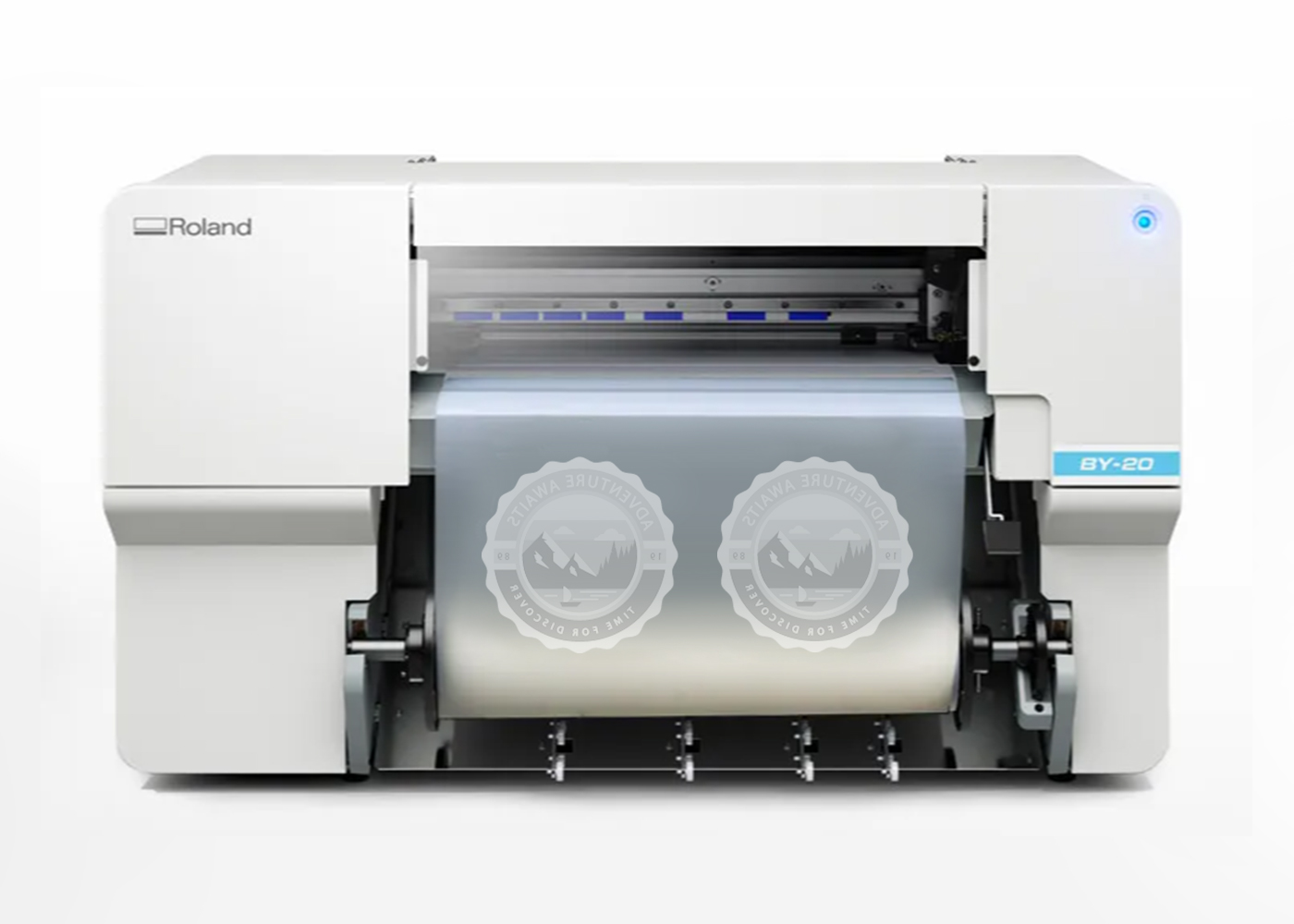
The Roland VersaStudio BY-20 is a compact, user-friendly desktop direct-to-film (DTF) printer designed for creating vibrant, high-quality graphics that can be transferred to apparel and accessories. It offers contour-cutting functionality and works with a wide variety of fabrics—making it a versatile solution for small businesses or print shops looking to expand into custom apparel.

Roland DTF Printer TY-300

DTF TY-300 Printer
DTF TY-300 Printer

The Roland TY-300 is a high-end DTF (Direct-to-Film) printer built for custom apparel and textiles. It delivers vibrant, detailed graphics on a wide variety of fabrics—including cotton, polyester, denim, and nylon—without needing pre-treatment.

With a production speed of up to 10.9 m²/h and advanced maintenance features to reduce downtime, it provides both performance and reliability for small and large print operations.

DTF printing offers flexibility, vibrant colors, and high-quality results for custom apparel, but issues can arise if the process is not carefully managed. Common problems include ink smudging, poor adhesion, white ink clogging, and color fading. Addressing these issues involves correct printer setup, proper heat-press techniques, high-quality materials, and a clean work environment. Preventative care and routine maintenance also reduce the risk of defects. By understanding these troubleshooting strategies, printers can ensure consistent, professional results, satisfying both business and customer needs.

Are you a business owner looking to elevate your apparel customization game? Consider investing in direct-to-garment printing machines. Contact us today to explore your options and take the first step toward enhancing your business with the latest in t-shirt printing technology. Let’s turn your creative vision into a colourful, wearable reality!
Tag: Direct to Film Printer

Printing High-Quality T-Shirts Using Printers

T-shirt printing has become a major part of the clothing and promotional products industry. Printers make it possible to produce high-quality designs faster and with less effort compared to traditional methods. This has opened opportunities for small businesses, apparel brands, and individuals who want to create unique, custom-made garments. In this article, we will discuss garment printing, the main types of t-shirt printing, how the process works, and the best printers in 2025.

What is Garment Printing

Garment printing is the process of applying designs onto clothing using different printing technologies. It is used for fashion, promotional items, uniforms, sportswear, and even custom gifts. The process can be adapted to different fabrics, order sizes, and design styles. The goal is to produce prints that are visually appealing and durable enough to withstand repeated use and washing.

Different Types of T-Shirt Printing

There are several ways to print designs on t-shirts. Each method has its strengths and limitations, making it suitable for different needs.

Here are the most common types of t-shirt printing:

  1. Screen Printing – Uses a mesh stencil to press ink onto the fabric. Ideal for bold designs and large runs.
  2. DTF (Direct-to-Film) Printing – Prints a design onto a special film, applies adhesive powder, and transfers it to the shirt using heat. Works well on cotton, polyester, blends, and more.
  3. DTG (Direct-to-Garment) Printing – Sprays ink directly onto the garment. Produces high-resolution, full-colour designs with smooth gradients.
  4. Heat Transfer Vinyl (HTV) – Cuts designs from vinyl sheets and applies them with a heat press. Best for lettering and simple graphics.
  5. Sublimation Printing – Transfers dye into polyester fabrics for vibrant, long-lasting prints. Not suitable for cotton garments.

DTF vs DTG Printing

Printed T-Shirts

Direct-to-Film and Direct-to-Garment printing are both popular in the custom apparel industry, but they work in different ways and are suited for different needs.

DTF printing is more versatile when it comes to fabric types. Since the design is printed onto film first, it can be transferred to cotton, polyester, blends, denim, and other materials. The print sits on top of the fabric, which gives it a slightly textured feel but also makes it more durable in certain conditions. DTF prints are resistant to cracking and can withstand frequent washing. This method is also more cost-effective for small runs because there is less setup time and no need for pretreatment on most fabrics.

DTG printing produces a softer feel because the ink soaks directly into the fibres of the garment. It is excellent for high-detail designs, gradients, and photographic prints. However, DTG works best on 100% cotton and requires pretreatment for dark garments. It is ideal for customers who prioritize a natural fabric feel and high-resolution imagery. On the downside, DTG may not be as durable as DTF when it comes to heavy wear, especially.

In short, DTF is the better choice for all-around fabric compatibility, durability, and production flexibility, while DTG excels in producing vibrant, soft, and highly detailed prints on cotton garments. Businesses often choose based on the type of apparel they sell and their customers’ expectations.

Further reading:

14 Most Frequently Asked Questions About DTG Printing

9 Most Frequently Asked Questions about Direct-to-Film Printing

T-Shirt Printing Process

T-shirt printing with printers follows a series of steps to ensure the design looks professional and lasts a long time. The process differs slightly between DTF and DTG, but the basic flow is similar.

Here is the step-by-step process:

  1. Create Your Design – Use graphic design software to make your artwork. Make sure the image is high resolution, in the correct colour format (usually RGB for design, converted to CMYK for printing), and sized exactly for the shirt area.
  2. Prepare the Printer – For DTF, load the printer with DTF ink and the correct type of transfer film. For DTG, load the garment directly onto the printer’s platen and ensure it is flat and secure. Always check ink levels and run a nozzle test before printing.
  3. Print the Design – In DTG, the printer sprays ink directly onto the fabric, creating a smooth and detailed print. In DTF, the printer applies the design onto a special PET film, often printing a white base layer first, followed by colour layers.
  4. Apply Adhesive Powder (DTF Only) – While the print on the film is still wet, evenly coat it with hot melt adhesive powder. Shake off excess powder to avoid uneven transfers.
  5. Cure or Dry the Print – For DTG, use a heat press or curing tunnel to set the ink into the fibres. For DTF, use a curing oven or heat press without pressure to melt the adhesive powder and prepare it for transfer.
  6. Transfer to the Shirt (DTF) – Position the cured DTF film on the shirt. Use a heat press at the recommended temperature and time to bond the design to the fabric. Peel the film carefully, following either a hot or cold peel method depending on the film type.
  7. Final Inspection – Check the print for correct placement, sharpness, and colour accuracy. Ensure there are no smudges, ink bleeding, or peeling edges. Once approved, fold, package, or ship the finished garment.

Best DTF and DTG Printers in 2025

Currently, advanced DTF and DTG printers have made it easier for businesses to produce high-quality t-shirt prints quickly. These printers combine speed, colour accuracy, and ease of use to meet the demands of both small and large production setups.

Two standout models this year are the Roland VersaStudio BY-20 and the Roland DTF Printer TY-300.

VersaSTUDIO BY-20
VersaSTUDIO BY-20

Roland DG has released the latest and most innovative Direct-to-Film printer, the Roland VersaStudio BY-20. It’s a highly versatile desktop device ideal for a range of direct-to-film apparel applications, such as creating custom T-shirts, sportswear, tote bags, and more. With its compact design, it is even perfect for small businesses that have small production space.

DTF TY-300 Printer
Roland DTF Printer TY-300

Another latest DTF printer is the Roland DTF Printer TY-300. It is a high-performance direct-to-film printer that produces vibrant graphics on various materials, including cotton and polyester. Create custom apparel and textiles with DTF technology that delivers bright colours, sharp text, and fine details while saving time and costs.

Further reading:

Investing in a Direct-to-Garment (DTG) Printing Business

8 Reasons to Invest in a Direct-to-Film Printing Business

T-shirt printing using printers has transformed custom apparel production. Whether you choose DTF for its flexibility and durability or DTG for its soft, high-detail prints, both methods offer professional-quality results. With the right equipment, such as the Roland VersaStudio BY-20 or the Roland TY-300, businesses can produce consistent, high-quality prints that meet customer expectations. The future of garment printing is more accessible than ever, opening opportunities for entrepreneurs, designers, and established apparel brands to create and sell unique products.

For business owners looking to venture into the world of garment printing or upgrade their existing equipment, the future of customized apparel is at your fingertips. Explore our range of cutting-edge DTF printing machines that can help you unlock new opportunities, streamline production, and stand out in the market. Contact us today to learn more about the best DTG solutions tailored to your specific needs.

Tag: Direct to Film Printer

How DTF Printing Works

Direct-to-Film (DTF) printing is transforming the custom garment industry with its efficiency, versatility, and ability to produce vibrant, long-lasting prints on various fabrics. As more businesses and creators look for reliable and cost-effective alternatives to traditional printing methods like screen printing or direct-to-garment (DTG), DTF has quickly become a preferred solution. This article breaks down how DTF printing works, what makes it a standout option in today’s print world, and why it’s gaining traction among apparel decorators, small business owners, and print professionals.

What is DTF Printing?

DTF, or Direct-to-Film printing, is a digital heat transfer process. It involves printing a design onto a special PET film using textile pigment ink, applying a powdered adhesive to the print, curing the adhesive, and then transferring the design onto fabric using a heat press. Unlike DTG printing, which requires direct contact with the fabric, DTF allows users to create durable transfers in advance and apply them when needed.

One of DTF’s biggest strengths is its flexibility. The technology works on cotton, polyester, blends, and many other materials, making it ideal for businesses that serve a wide range of clients and product types. Whether printing t-shirts, hoodies, caps, or even bags, DTF offers high-quality results with excellent colour vibrancy and durability.

Step-by-Step: How DTF Printing Works

DTF Printing T-shirt

The DTF process includes several key steps, each designed to ensure consistent, high-quality transfers that hold up well through wear and washing. Below is an overview of the typical DTF printing workflow:

1. Create the Design

The process begins with designing your artwork using graphic design software like Adobe Illustrator, CorelDRAW, or Photoshop. The design should be saved in high resolution and with a transparent background if necessary.

2. Print on PET Film

Once the design is ready, it’s printed onto a PET film using a DTF printer. These printers use CMYK and white ink specially formulated for DTF applications. The white ink typically serves as a base layer, allowing the colors to pop regardless of the fabric colour.

3. Apply Adhesive Powder

While the ink is still wet, a hot-melt adhesive powder is applied to the printed film. This powder sticks to the inked areas only. It’s important to ensure even coverage so the design transfers cleanly during the heat press stage.

4. Cure the Adhesive

Next, the printed and powdered film is cured using a heat press, curing oven, or specialized DTF curing unit. This step melts the powder into the ink, creating a bond that will later adhere to the fabric.

5. Position and Transfer

After curing, the film can be cut to size and placed onto the garment. Using a heat press, the design is then transferred from the film to the fabric under specific temperature, pressure, and time settings.

6. Peel and Finish

Once cooled, the PET film is peeled away, revealing the printed design now firmly attached to the garment. In most cases, a final post-press is done to ensure proper adhesion and a smoother finish.

Advantages of Using DTF Printing

DTF printing offers a wide range of benefits for both startups and established print shops. Here are some of the top advantages:

  • Versatility Across Fabrics: Print on cotton, polyester, blends, spandex, nylon, and more without needing different ink sets or pre-treatment.
  • High-Quality, Durable Prints: Colours stay vibrant and intact after multiple washes, with excellent resistance to cracking or fading.
  • Efficient for Small and Medium Runs: Ideal for on-demand printing, personalized items, or low-volume production without the high setup costs of screen printing.
  • No Pretreatment Needed: Unlike DTG, DTF doesn’t require pre-treating garments, which saves time and reduces waste.
  • Transfer Storage: Printed transfers can be stored and used later, making production more flexible and manageable.
  • Fine Detail and Colour Range: With CMYK + white ink systems, DTF prints support intricate artwork, photo-level detail, and rich colour gradients.

What Makes a Good DTF Workflow?

To get the most out of DTF printing, following consistent procedures and using compatible materials and tools is crucial. Here’s a quick list of essentials to support an effective DTF workflow:

  • Use high-resolution artwork with proper colour management.
  • Ensure your printer is calibrated and using genuine DTF inks.
  • Store films in a dust-free, dry environment.
  • Maintain consistent heat press settings (typically 160–170°C for 15–20 seconds).
  • Post-press prints for added durability and a smoother hand feel.
  • Regularly clean and maintain the printer and curing equipment to prevent clogs or misprints.

When to Choose DTF Over Other Methods

DTF printing stands out in scenarios where flexibility, color complexity, or fabric diversity are required. If you’re printing a variety of garments in small quantities or offering custom one-offs, DTF offers better turnaround and lower costs than screen printing. Compared to DTG, DTF eliminates the need for pre-treatment and expands material compatibility, which makes it a more convenient and scalable solution.

Best DTF Printers to Consider in 2025

As the popularity of DTF continues to rise, manufacturers are producing advanced printers tailored to different business sizes and production needs. Whether you’re a startup or a high-volume shop, there are various models available that focus on speed, print quality, maintenance ease, and media handling. Be sure to evaluate current models based on ink systems, compatibility, support, and automation features to find the best fit for your operation.

Roland DTF Printer TY-300

Roland DG has released the latest and most innovative Direct-to-Film printer, the Roland DTF Printer TY-300. A 30″ next-gen direct-to-film printer, it is ideal for creating customised T-shirts, sportswear jerseys, tote bags, home décor, and more. The TY-300 is part of Roland DG’s full DTF solution, with RIP software, DTF film and powder, and an optional shaker/heater unit for automated DTF transfer production.

Further reading: Introducing Roland TY-300 Direct-to-Film Printer

Roland VersaStudio BY-20

Roland DG has released a compact 20” device fits easily on your desktopnter, the Roland VersaStudio BY-20. It’s a highly versatile desktop device ideal for a range of direct-to-film apparel applications, such as creating custom T-shirts, sportswear, tote bags, and more. With its compact design, it is even perfect for small businesses that have small production space.

Further reading: Introducing The Roland VersaSTUDIO BY-20 Desktop Direct-to-Film Printer

DTF printing has earned its place as a revolutionary method in the garment printing world. With its ability to produce high-quality, full-color transfers across a wide variety of fabrics and garments, DTF offers a future-forward solution for print shops, e-commerce businesses, and apparel brands. Its streamlined process, reduced material limitations, and suitability for on-demand printing make it not just a trend, but a long-term investment in printing flexibility and quality. Whether you’re just getting started or looking to expand, learning how DTF works is the first step toward tapping into one of the most exciting printing technologies available today.

Are you a business owner looking to elevate your apparel customization game? Consider investing in direct-to-garment printing machines. Contact us today to explore your options and take the first step toward enhancing your business with the latest in t-shirt printing technology. Let’s turn your creative vision into a colourful, wearable reality!

Tag: Direct to Film Printer

DTF vs Screen Printing: Why Direct-to-Film is Transforming the Garment Printing Industry

Regarding custom apparel and garment decoration, two popular methods continue to dominate the conversation: Direct-to-Film (DTF) printing and screen printing. While screen printing has long been the industry standard for high-volume jobs, DTF has emerged as a versatile, cost-effective, and modern alternative, especially for businesses prioritizing flexibility, speed, and detailed designs. In this article, we’ll take a closer look at how DTF printing compares to traditional screen printing and why more businesses are making the shift toward DTF as their preferred method.

What is Direct-to-Film (DTF) Printing?

Direct-to-Film (DTF) printing is a heat-transfer-based method where designs are digitally printed onto a special PET film using water-based inks. After printing, an adhesive powder is applied to the wet ink and cured using a heat source. The film is then placed on the fabric and heat-pressed, permanently transferring the design. Unlike Direct-to-Garment (DTG), which requires printing directly onto fabric and pre-treating garments, DTF allows for transfers that can be stored, transported, and pressed onto a wide range of fabric types when needed.

What is Screen Printing?

Screen printing is a time-tested method of garment printing where ink is pushed through a mesh screen onto the fabric beneath. Each color in the design requires a separate screen, and the process involves precise setup and alignment. Screen printing is known for its vibrant colours, durability, and cost-effectiveness when producing large volumes of the same design. However, it requires a significant amount of preparation, materials, and equipment, making it less ideal for small runs or custom one-off pieces.

Key Differences: DTF vs. Screen Printing

DTF Printing T-shirt

1. Setup and Workflow

Screen printing involves a more complex and time-consuming setup process. Each colour requires a separate stencil and screen, which must be aligned perfectly. Setting up even a simple multi-colour design can take hours and require expensive equipment.

DTF printing, on the other hand, is entirely digital. There’s no need for screens or colour separations. Once a design is ready, it can be printed immediately onto film and transferred with minimal preparation. This streamlined workflow makes DTF especially appealing to small businesses or on-demand operations that need fast turnaround with minimal overhead.

2. Print Volume and Efficiency

Screen printing excels in high-volume production. When printing hundreds or thousands of shirts with the same design, the cost per item drops significantly once the setup is done. For this reason, large-scale merchandise producers and promotional product companies often choose screen printing for bulk orders.

DTF, while not as efficient for large-scale uniform designs, shines in short runs and custom jobs. Because it doesn’t require screen setups or cleanup, DTF allows print shops to fulfill small or individualized orders quickly and profitably.

3. Colour and Detail

DTF printers use CMYK + white inks, allowing for full-colour gradients, detailed photo-quality prints, and intricate designs, without the limitations of screen count or ink mixing. Fine lines, small text, and complex colour transitions are handled effortlessly in DTF.

In contrast, screen printing requires separate screens for each colour, making it less suitable for photo-realistic or highly detailed designs. While screen printing delivers vibrant, solid colours, its resolution and gradient capabilities are limited.

4. Fabric Compatibility

One of DTF’s biggest advantages is its fabric versatility. DTF transfers can be applied to cotton, polyester, blends, nylon, and even leather, without the need for different inks or complicated adjustments. This makes DTF ideal for modern fashion, sportswear, workwear, and accessories.

Screen printing typically requires different inks and additives depending on the material. For example, printing on polyester may require a special blocker base or ink formulation to prevent dye migration. This increases cost and complexity for printers handling diverse garment types.

5. Durability and Washability

Both DTF and screen printing offer good durability when properly applied. Screen printing has long been known for its long-lasting results and resistance to wear, especially on cotton garments.

However, DTF printing has shown excellent wash resistance, with proper curing and pressing techniques ensuring prints that last dozens of wash cycles without cracking or fading. In many cases, DTF rivals or even exceeds the washability of screen prints, especially on synthetic or stretchy fabrics where screen prints may crack.

6. Customization and On-Demand Printing

The rise of e-commerce and personalized products has fueled the need for on-demand garment printing, where customers can order custom designs in small quantities. Screen printing is not economically practical for this model due to high setup costs.

DTF is perfect for on-demand and print-on-demand (POD) services. Shops can print and store transfers ahead of time, or create one-off items quickly without waste or added labour. This makes DTF ideal for Etsy sellers, apparel startups, and promotional vendors offering personalized designs.

Why Choose DTF Over Screen Printing?

For many printers, DTF presents a more modern, adaptable, and cost-efficient option. Here are some of the top reasons to consider DTF:

  • Low barrier to entry – DTF requires fewer materials and less equipment than screen printing.
  • Fast production turnaround – Skip screen setups and jump straight to printing and pressing.
  • Broad design capabilities – Handle full-colour artwork, gradients, and detailed designs easily.
  • Fabric flexibility – One method for multiple materials.
  • Ideal for small orders – Cost-effective for short runs, one-offs, or personalized items.

While screen printing remains a strong contender for large-scale, single-design production, DTF is quickly becoming the go-to solution for businesses seeking flexibility, lower overhead, and high-quality results across a range of garment types.

Best Direct-to-Film Printer in 2024

VersaSTUDIO BY-20

Roland DG has released the latest and most innovative Direct-to-Film printer, the Roland VersaStudio BY-20. It’s a highly versatile desktop device ideal for a range of direct-to-film apparel applications, such as creating custom T-shirts, sportswear, tote bags, and more. With its compact design, it is even perfect for small businesses that have small production space.

Further reading: Introducing The Roland VersaSTUDIO BY-20 Desktop Direct-to-Film Printer

DTF printing represents a significant shift in the garment printing industry—bringing speed, efficiency, and versatility to a process once dominated by labor-intensive screen printing. As consumer demands for customization and quick turnaround grow, DTF is rising to meet those challenges. Whether you’re starting a new t-shirt business, expanding your print offerings, or looking to modernize your production, DTF printing offers a compelling alternative that’s both future-proof and profit-friendly.

Are you a business owner looking to elevate your apparel customization game? Consider investing in direct-to-garment printing machines. Contact us today to explore your options and take the first step toward enhancing your business with the latest in t-shirt printing technology. Let’s turn your creative vision into a colourful, wearable reality!

Tag: Direct to Film Printer

The Advantages of DTF (Direct-to-Film) Printing

In the ever-evolving world of garment decoration and custom printing, Direct-to-Film (DTF) printing has emerged as a powerful and flexible option for businesses and creators. With the demand for high-quality, personalized apparel on the rise, DTF printing offers an efficient and cost-effective method for producing vibrant, durable designs on a variety of fabric types. Whether you’re a small business owner, a print-on-demand provider, or a large-scale apparel manufacturer, understanding the advantages of DTF printing can help you stay competitive and meet your customers’ needs.

This article explores what sets DTF printing apart from other methods like Direct-to-Garment (DTG) and screen printing, and why so many are making the switch.

What is DTF Printing?

Direct-to-Film (DTF) printing is a process that involves printing designs onto a special PET film using water-based pigment inks. Once the image is printed, an adhesive powder is applied to the film while the ink is still wet. The film is then cured with heat and pressed onto fabric using a heat press. After cooling, the film is peeled away, leaving the ink adhered to the garment.

This method allows for high-quality, full-colour transfers that work on various fabric types, including cotton, polyester, blends, nylon, and more. Unlike traditional printing methods, DTF eliminates many of the limitations that often make custom apparel production expensive or time-consuming.

DTF is Different from DTG Printing

DTF (Direct-to-Film) printing differs from DTG (Direct-to-Garment) printing primarily in how the design is applied to the fabric. DTG prints directly onto the garment using inkjet technology and typically requires pre-treatment for dark fabrics, working best on cotton. In contrast, DTF involves printing the design onto a special film, applying adhesive powder, curing it, and then heat pressing the transfer onto various fabric types. This process allows DTF to be more versatile, supporting a wider range of materials (like polyester and blends) and offering easier storage and faster production, especially for bulk or on-demand printing.

Key Advantages of DTF Printing

DTF Print Shirt

1. Works on Multiple Fabric Types

One of the standout benefits of DTF printing is its versatility with fabric. While methods like DTG are limited mostly to cotton and natural fibres, DTF allows for vibrant transfers on a broad range of materials, including:

  • Cotton
  • Polyester
  • Cotton/poly blends
  • Nylon
  • Canvas
  • Denim

This means that print shops and designers no longer need to switch techniques depending on the garment type, making production simpler and more consistent.

2. Vibrant, Full-Colour Prints with Great Detail

DTF printing produces sharp, detailed, and colourful images, including gradients and small text, thanks to the use of CMYK + white ink. The white ink layer serves as a base, ensuring that the colours pop, even on dark or colored fabrics.

Additionally, because the image is printed onto a film and transferred as a whole, fine lines and intricate graphics are preserved more accurately than in screen printing or vinyl cutting.

3. No Pre-Treatment Required

In DTG printing, garments must often be pre-treated with a solution to allow proper ink adhesion and colour vibrancy, especially on dark garments. This step is labour-intensive and can slow down production.

DTF skips this step entirely. There’s no need for pre-treatment because the adhesive powder ensures the ink bonds well with the fabric. This reduces production time and eliminates extra costs and mess.

4. Better Wash Durability

When properly applied and cured, DTF transfers offer excellent wash resistance. The combination of the adhesive powder and heat curing process allows the design to withstand repeated washing without cracking, fading, or peeling.

This durability makes DTF an ideal solution for sportswear, workwear, and everyday garments that need to hold up over time.

5. Low Setup Costs

Unlike screen printing, which requires creating screens for each colour and design, DTF printing is digital and direct. This means:

  • No screens
  • No colour separation
  • No major setup for each job

This is particularly beneficial for short runs and on-demand printing, where setting up traditional screen printing would be inefficient or cost-prohibitive.

6. Great for On-Demand Printing

Since DTF transfers can be printed ahead of time and stored for later use, businesses can easily prepare transfers in advance and apply them when needed. This makes it perfect for e-commerce or print-on-demand models, where quick turnaround and flexibility are crucial.

Also, leftover film can be stored safely, reducing waste and improving inventory management.

7. Easier and Faster Workflow

DTF offers a more streamlined workflow than DTG and screen printing. It removes several manual steps, requires less equipment maintenance, and reduces the time per garment, allowing for faster order fulfillment.

Once the printer and heat press are set up, the process is straightforward—print, apply powder, cure, and press.

8. Cost-Effective for Small and Large Batches

DTF printing strikes a great balance between small-batch flexibility and scalability for larger orders. It allows businesses to print one-off custom pieces without incurring major costs while still being efficient enough for bulk production.

This dual advantage makes it a smart investment for startups and growing operations alike.

9. Easy to Learn and Use

Compared to other printing technologies that involve complex steps or steep learning curves, DTF is relatively easy to master. With basic training and the right equipment, users can start producing professional-quality prints quickly.

The process is also well-documented, and support from equipment and material providers is widely available.

Best Direct-to-Film Printer in 2025

Roland DG has released some of the latest and most innovative Direct-to-Film printers: the Roland VersaStudio BY-20 and the Roland DTF Printer TY-300.

Roland VersaStudio BY-20

Roland BY-20

The Roland VersaStudio BY-20 is a highly versatile desktop device ideal for a range of direct-to-film apparel applications, such as creating custom T-shirts, sportswear, tote bags, and more. With its compact design, it is even perfect for small businesses that have small production spaces.

Further reading: Introducing The Roland VersaSTUDIO BY-20 Desktop Direct-to-Film Printer

Roland DTF Printer TY-300


DTF TY-300 Printer

The Roland DTF Printer TY-300 is the latest, next-generation direct-to-film printer released by Roland DG. Designed for exceptional graphic quality and vibrant designs, the TY-300 simplifies the process of creating heat transfers on various materials such as cotton, polyester, denim, nylon, rayon, and more.

Whether you’re personalizing apparel or textiles, this cutting-edge printer delivers vivid colours, sharp text, and intricate details while optimizing cost efficiency, speed, and usability, raising the bar in DTF printing technology. The TY-300 is an essential part of Roland DG’s complete DTF solution, which includes RIP software, DTF film and powder, and an optional shaker/heater unit for smooth, automated DTF transfer production.

Further reading: Introducing Roland TY-300 Direct-to-Film Printer

Is DTF Printing Right for You?

Whether you’re new to the garment printing industry or looking to expand your current operation, DTF printing offers a low-risk, high-reward opportunity. With its wide material compatibility, strong print quality, and simplified workflow, it is especially suited for:

  • Custom apparel businesses
  • Print-on-demand stores
  • Promotional product companies
  • Sportswear and team uniform printing
  • Event merchandise vendors

It’s also a great choice for those transitioning from other methods like screen printing, HTV, or sublimation who want to increase versatility and efficiency without sacrificing quality.

Direct-to-Film (DTF) printing is transforming the custom apparel landscape by offering a versatile, durable, and cost-efficient solution for garment decoration. With minimal setup, broad fabric compatibility, and vibrant print results, DTF meets the needs of today’s fast-paced, on-demand market. Whether you’re a small business owner, entrepreneur, or established print shop, investing in DTF technology could be the key to unlocking your brand’s creative potential and staying ahead of the competition.


Are you a business owner looking to elevate your apparel customization game? Consider investing in direct-to-garment printing machines. Contact us today to explore your options and take the first step toward enhancing your business with the latest in t-shirt printing technology. Let’s turn your creative vision into a colourful, wearable reality!

Tag: Direct to Film Printer

Using DTF Printing for Your T-Shirt Business

The custom apparel industry is thriving, with businesses and individuals seeking high-quality, personalized designs on t-shirts and other garments. Among the various printing techniques available, Direct-to-Film (DTF) printing has emerged as a game-changer, offering flexibility, cost efficiency, and vibrant, long-lasting prints. If you’re running a t-shirt business or planning to start one, DTF printing provides an innovative and reliable solution to create unique and professional-looking apparel. In this article, we’ll explore how DTF printing works, its advantages, and why it’s an ideal choice for your t-shirt business.

What is DTF Printing?

Direct-to-Film (DTF) printing is a heat transfer process that involves printing a design onto a special PET film, coating it with adhesive powder, and then transferring it to fabric using a heat press. Unlike Direct-to-Garment (DTG) printing, which applies ink directly to fabric, DTF printing allows for transfers that can be stored and applied later. This flexibility makes DTF a great option for bulk printing, on-demand orders, and diverse fabric types.

DTF printing is known for producing sharp details, vibrant colors, and excellent durability, making it a reliable choice for high-quality t-shirt designs. Additionally, it eliminates the need for pre-treating garments, a step required in DTG printing, streamlining the production process and saving time.

How Does DTF Printing Work?

The DTF printing process consists of several steps:

  1. High-resolution designs are created using software like Adobe Photoshop or CorelDRAW and are prepared in CMYK format for accurate color reproduction.
  2. A specialized DTF printer prints the design onto PET film using CMYK and white inks. The white ink acts as a base layer, ensuring vibrant colors even on dark garments.
  3. A fine adhesive powder is evenly applied over the printed design while the ink is still wet. This powder allows the design to bond to the fabric during heat transfer.
  4. The adhesive powder is heated to cure it, creating a solid bonding agent that ensures strong adhesion to the fabric.
  5. The film is placed onto the t-shirt, and a heat press is used to transfer the design at high temperatures (typically around 160-180°C) for about 10-15 seconds.
  6. The PET film is peeled away, leaving the ink bonded to the t-shirt fabric. Depending on the type of film, this can be done as a hot peel or cold peel process.
  7. Once completed, the design is securely embedded into the fabric, offering a durable, flexible, and wash-resistant print.

Why Use DTF Printing for Your T-Shirt Business?

DTF T-Shirt Print

1. Works on a Variety of Fabrics

Unlike DTG printing, which works best on cotton, DTF printing is compatible with multiple fabric types, including cotton, polyester, blends, nylon, denim, and even leather. This versatility allows t-shirt businesses to expand their product range and cater to different customer preferences.

2. Vibrant and Long-Lasting Prints

DTF prints are known for their bright, detailed, and long-lasting appearance. The adhesive powder creates a strong bond between the ink and fabric, ensuring that designs do not crack, fade, or peel after multiple washes. This durability enhances customer satisfaction and improves the overall quality of your products.

3. No Need for Pre-Treatment

DTG printing requires pre-treating garments before printing, which adds extra time and cost to the production process. DTF printing eliminates this step, allowing for a faster and more efficient workflow. This is especially beneficial for businesses handling large orders or on-demand printing.

4. Cost-Effective for Small and Large Orders

Screen printing is cost-effective for large batches but expensive for small runs due to setup costs. DTF printing, on the other hand, is affordable for both small and large orders because it does not require screens or high setup fees. Whether you’re printing a single custom t-shirt or a large order, DTF offers a flexible and cost-efficient solution.

5. Allows for On-Demand Printing

E-commerce and print-on-demand businesses benefit greatly from DTF printing, as designs can be printed and stored on film before being transferred to garments as needed. This reduces waste and enables businesses to offer fast turnaround times, even for last-minute orders.

6. Simple and Easy-to-Learn Process

While some printing techniques require extensive training, DTF printing is user-friendly. With proper equipment and minimal training, businesses can quickly adopt DTF technology and start producing professional-quality t-shirts.

7. Eco-Friendly and Low-Waste Printing

DTF printing is a more eco-friendly option compared to some traditional printing methods. Because there is no excess ink wastage and designs are printed only as needed, businesses can minimize material waste and reduce environmental impact.

Getting Started with DTF Printing for Your T-Shirt Business

To integrate DTF printing into your t-shirt business, you’ll need the following equipment:

  • DTF Printer – A specialized printer capable of handling DTF inks and PET film.
  • PET Film – Transparent or white transfer film used for printing designs.
  • DTF Ink – Specially formulated CMYK and white inks designed for film printing.
  • Adhesive Powder – Helps bond the design to the fabric.
  • Heat Press Machine – Transfers the printed design from the film onto the fabric.
  • Curing Unit (Optional) – Used to pre-cure the adhesive powder for a stronger bond.

Once your equipment is set up, you can begin experimenting with designs, perfecting your printing process, and building a customer base for your business.

DTF printing has revolutionized the custom t-shirt industry by offering vibrant, durable prints on a wide range of fabrics with minimal setup costs. Its ability to handle small and large orders efficiently makes it an excellent choice for startups, print-on-demand services, and growing businesses. By investing in DTF printing technology, you can expand your product offerings, improve print quality, and increase overall profitability in the competitive t-shirt market. Whether you’re an established business looking to upgrade your printing method or a new entrepreneur entering the industry, DTF printing is a reliable and cost-effective solution for high-quality custom apparel.

Are you a business owner looking to elevate your apparel customization game? Consider investing in direct-to-garment printing machines. Contact us today to explore your options and take the first step toward enhancing your business with the latest in t-shirt printing technology. Let’s turn your creative vision into a colourful, wearable reality!

Tag: Direct to Film Printer

Printing 101: How Does DTF Printing Work?

Custom apparel printing has evolved significantly over the years, with new technologies making producing high-quality, durable prints on a wide range of materials easier. One of the most innovative and versatile methods gaining popularity today is Direct-to-Film (DTF) printing. This technique offers an efficient way to transfer detailed designs onto various fabrics, making it an excellent choice for businesses and entrepreneurs in the custom printing industry. In this article, we will explore how DTF printing works, its process steps, and why it has become a preferred method for many garment decorators.

What is Direct-to-Film (DTF) Printing?

DTF Printing Collage

Direct-to-Film (DTF) printing is a digital heat transfer process that allows designs to be printed onto a specialized film and then transferred to fabric or other materials using a heat press. Unlike Direct-to-Garment (DTG) printing, which applies ink directly onto the fabric, DTF printing works with a printed film that can be stored or applied at a later time. This method provides excellent print durability and is suitable for a variety of fabrics, including cotton, polyester, blends, and even non-textile materials like leather.

The key advantage of DTF printing is its ability to produce vibrant, long-lasting designs on almost any fabric without requiring pre-treatment. It is particularly useful for businesses looking for a cost-effective way to create high-quality prints with minimal setup and waste.

The DTF Printing Process

DTF printing involves several key steps that work together to ensure high-quality and durable transfers. Below is a step-by-step breakdown of how DTF printing works:

Step 1: Design Preparation

The process begins with preparing a high-resolution digital design using graphic design software such as Adobe Photoshop, Illustrator, or CorelDRAW. The design must be created in CMYK mode to ensure accurate color reproduction. Additionally, the background of the design should be transparent, especially if the film is being used on dark-colored garments.

Step 2: Printing the Design onto DTF Film

Once the design is ready, it is printed onto a PET (polyethylene terephthalate) film using a DTF printer equipped with specialized DTF inks. These inks typically include CMYK colors as well as white ink, which acts as a base layer to enhance color vibrancy on dark fabrics.

The printing process involves two key layers:

  • Color Layer – The design is printed in full color, using CMYK inks to capture details and vibrancy.
  • White Ink Layer – A layer of white ink is printed over the color layer to ensure the design remains visible and opaque when transferred to darker fabrics.

Step 3: Applying Adhesive Powder

After printing, a special DTF adhesive powder is applied to the printed film while the ink is still wet. This powder serves as the bonding agent that allows the design to adhere to the fabric during the heat transfer process. The powder must be evenly distributed to ensure proper adhesion.

Once applied, the excess powder is shaken off, leaving only a thin, even layer covering the design.

Step 4: Curing the Adhesive Powder

To activate the adhesive powder and prepare the film for transfer, it is heated using a curing oven or a heat press set at a low temperature. The curing process ensures that the powder melts and forms a solid bonding layer over the design. Proper curing is crucial to achieving a durable and flexible print.

Step 5: Transferring the Design to Fabric

Once the film is cured, it is placed onto the fabric with the design facing down. Using a heat press, the design is transferred to the fabric by applying high heat (typically around 160-180°C) and pressure for about 10-15 seconds.

During this process, the ink and adhesive bond permanently to the fabric, ensuring that the design is securely fixed to the material.

Step 6: Peeling the Film

After the heat press cycle, the PET film is carefully peeled away from the fabric, leaving the design fully transferred onto the garment. Depending on the type of film used, this peeling process may be done while the material is hot (hot peel) or after it has cooled down (cold peel).

Once peeled, the garment may undergo a final heat press for a few seconds to enhance durability and ensure a soft, smooth finish.

Why Choose DTF Printing?

DTF Print Products

DTF printing has gained popularity due to its numerous benefits over traditional printing methods like screen printing, DTG, and heat transfer vinyl. Here are some reasons why businesses and print shops are investing in DTF technology:

1. Works on a Variety of Fabrics

Unlike DTG printing, which works best on cotton, DTF printing can be used on multiple fabric types, including cotton, polyester, silk, denim, leather, and more. This makes it a versatile option for businesses that want to expand their product offerings.

2. No Need for Fabric Pre-Treatment

DTF printing does not require fabric pre-treatment, which is a necessary step in DTG printing for dark-colored garments. This simplifies the workflow and saves both time and resources.

3. High-Quality, Durable Prints

DTF prints are known for their durability, wash resistance, and flexibility. The adhesive powder used in the process ensures strong bonding, resulting in prints that do not crack, peel, or fade easily.

4. Cost-Effective for Small and Large Runs

DTF printing is cost-efficient for both small and large orders. Unlike screen printing, which requires expensive setup costs for multiple colors, DTF allows for full-color prints without additional setup fees. This makes it ideal for on-demand printing and custom apparel businesses.

5. Ability to Print and Store Transfers

One unique advantage of DTF printing is that printed films can be stored for later use. Businesses can print designs in bulk and transfer them to garments as needed, reducing waste and streamlining production.

6. Easy to Learn and Use

DTF printing is user-friendly and does not require extensive technical knowledge. With the right equipment and training, businesses can quickly integrate DTF technology into their operations and start producing high-quality custom prints.

Best Direct-to-Film Printer in 2025

Roland DG has released some of the latest and most innovative Direct-to-Film printers: the Roland VersaStudio BY-20 and the Roland DTF Printer TY-300.

Roland VersaStudio BY-20

Roland BY-20

The Roland VersaStudio BY-20 is a highly versatile desktop device ideal for a range of direct-to-film apparel applications, such as creating custom T-shirts, sportswear, tote bags, and more. With its compact design, it is even perfect for small businesses that have small production spaces.

Further reading: Introducing The Roland VersaSTUDIO BY-20 Desktop Direct-to-Film Printer

Roland DTF Printer TY-300


DTF TY-300 Printer

The Roland DTF Printer TY-300 is the latest, next-generation direct-to-film printer released by Roland DG. Designed for exceptional graphic quality and vibrant designs, the TY-300 simplifies the process of creating heat transfers on various materials such as cotton, polyester, denim, nylon, rayon, and more.

Whether you’re personalizing apparel or textiles, this cutting-edge printer delivers vivid colors, sharp text, and intricate details while optimizing cost efficiency, speed, and usability—raising the bar in DTF printing technology. The TY-300 is an essential part of Roland DG’s complete DTF solution, which includes RIP software, DTF film and powder, and an optional shaker/heater unit for smooth, automated DTF transfer production.

Further reading: Introducing Roland TY-300 Direct-to-Film Printer

Direct-to-Film (DTF) printing is revolutionizing the custom printing industry with its versatility, durability, and cost-effectiveness. By allowing businesses to print vibrant, long-lasting designs on a wide range of fabrics without the need for pre-treatment, DTF printing provides an efficient and profitable solution for custom apparel and promotional products. Whether you are starting a new printing business or looking to expand an existing one, investing in DTF printing can offer significant advantages in today’s competitive market.

Are you a business owner looking to elevate your apparel customization game? Consider investing in direct-to-garment printing machines. Contact us today to explore your options and take the first step toward enhancing your business with the latest in t-shirt printing technology. Let’s turn your creative vision into a colourful, wearable reality!

Tag: Direct to Film Printer

Introducing Roland TY-300 Direct-to-Film Printer

Direct-to-Film (DTF) printing has rapidly gained popularity in the textile and apparel industry for its ability to produce vibrant, durable, and highly detailed prints on a wide variety of fabrics. Known for its versatility and efficiency, DTF technology has become a go-to solution for businesses looking to expand their custom printing capabilities. Roland DG, a trusted leader in the printing industry, continues to expand its presence in the DTF market by introducing the innovative Roland TY-300 Direct-to-Film Printer. Designed to deliver exceptional quality and productivity, the TY-300 Direct-to-Film Printer combines cutting-edge features with the reliability and innovation Roland DG is known for, making it an ideal choice for businesses seeking to elevate their printing capabilities.

What is a Direct-T0-Film Printer

A Direct-to-Film (DTF) printer is a type of digital printer that prints designs directly onto a special film, which is then used to transfer the design onto various materials such as fabric, apparel, and other substrates. Unlike traditional methods like screen printing or heat transfer vinyl, DTF printing allows for vibrant, detailed prints with high durability.

The process involves printing the image onto a special PET film and applying a layer of adhesive powder that is melted onto the print. The film is then transferred onto the desired material using a heat press. This technique is particularly popular in the apparel and promotional product industries, as it provides a high-quality, cost-effective way to create custom designs, especially for small runs or complex multi-colour graphics. DTF printers are known for their ease of use, quick turnaround times, and the ability to print on a wide range of fabric types, making them a versatile option for various print businesses.

Introducing Roland TY-300 Direct-to-Film Printer

DTF TY-300 Printer

Experience unmatched performance and productivity with the Roland TY-300 Direct-to-Film printer. Engineered to deliver stunning graphics and bold designs, the TY-300 makes it easy to create heat transfers for a wide variety of materials, including cotton, polyester, denim, nylon, rayon, and more.

Whether you’re customizing apparel or textiles, this advanced printer ensures vibrant colours, crisp text, and intricate details while maximizing cost efficiency, speed, and ease of use—setting a new standard in DTF printing technology. The TY-300 is a key component of Roland DG’s comprehensive DTF solution, which includes RIP software, DTF film and powder, and an optional shaker/heater unit for seamless automated DTF transfer production.

Main Features of the Roland TY-300 Direct-to-Film Printer

  • Vibrant Colours: Delivers superior print quality, accurately reproducing colours, detailed images, and even fine text with exceptional precision.
  • Maximum Productivity: Prints up to four times faster than competing models, ensuring maximum productivity.
  • Low Operating Costs: It offers low running costs and reduced ink consumption during printing and cleaning, making it more cost-efficient than other DTF printers.
  • Ultra Fine Detail: This process produces durable apparel and textiles with a “soft hand” feel, a natural finish, and excellent washability.
  • Vibrant Designs: Vivid DTF printing for all kinds of custom fabric designs

Advantage of Using Roland TY-300 Direct-to-Film Printer

Why not Achieve more with dedicated DTF printing solutions? The TY-300 delivers speed, reliability, and exceptional quality, offering a purpose-built system designed to produce premium results while minimizing operating costs.

  • Lightning-Fast Speeds for High-Production Workflows (Up to 4X faster than competing models, ideal for handling large-scale output with ease.)
  • A key component of Roland DG’s complete DTF solution is RIP software, DTF film, and powder, along with an optional shaker/heater unit for streamlined automated transfer production.
  • Lower ink waste and enhanced efficiency result in significantly reduced operating costs compared to the competition.
  • The TY-300 printer effortlessly integrates with top DTF powder shaker/heater units. For added convenience, Roland DG have tested and approved an optional bundle, creating an automated system that brings on-demand customization to your fingertips.

Other Features of Roland TY-300 Direct-to-Film Printer

Print with Accuracy, Capturing Every Detail.

DTF Print Shirt

Bring your prints to life with the TY-300’s advanced features, allowing you to print small text, intricate designs, photographs, and fine details with exceptional precision. Combined with the True Rich Color 3 setting, which ensures vibrant colours, neutral grays, smooth gradients, and natural skin tones, your prints will be truly striking—capturing every detail with clarity.

Exceptional Performance. Unmatched Productivity.

Achieve outstanding results faster and more efficiently than ever. The TY-300 offers stable CMYKW printing at 10.9m²/h in Production mode—45% faster than other DTF printers available. With enhanced ink efficiency, automated maintenance processes, and innovative features such as Perforated Sheet Cut, the TY-300 optimizes your workflow, cuts costs, and ensures maximum productivity and value for your business.

Unmatched Safety and Compliance with Proprietary DTF Inks

DTF TY-300 Inks

Roland DG’s newly developed S-PG2 inks, designed specifically for DTF printing, optimize printer performance while being Oeko-Tex® Eco Passport certified. This certification ensures that your custom apparel and textiles meet the highest global safety standards. Rest easy knowing your inks are free from harmful substances and fully compliant with international standards, including Europe’s REACH regulations.

Effortless Maintenance for Seamless Performance

Engineered for consistent, high-quality printing, the TY-300 comes with automated maintenance features to ensure smooth operations. The printhead is automatically cleaned based on usage, preventing nozzle dropout, while the advanced white ink circulation system reduces ink clogging, ensuring stable white printing at all times. Manual cleaning is made easy with the new head nozzle refresher tool, effectively cleaning the printhead surface. Additionally, key components like caps, wipers, and wiper cleaners can be replaced without requiring service personnel, simplifying upkeep and minimizing downtime.

VersaWorks 6 RIP Software

The latest version of the world’s most popular RIP software is included with the TY-300, making print output management quick and easy right out of the box. When output data is loaded, the image is automatically inverted to match the DTF process, eliminating errors in output.

  • Five print queues, five hot folders, and unlimited queue settings for flexibility.
  • New Job Assistant function for layout and editing of cut lines in VersaWorks 6, perfect for dual machine print-and-cut workflows.
  • Advanced and intuitive tools for cropping, tiling, nesting, and more.
  • Printer Color Match Settings allow you to match colour output across different printers and print modes, using profiling tools like the i1 Pro3 and the new VW-S1 colour measuring tool.

Streamline Your Print Operations with the Roland DG Connect App

Easily manage your entire print operation from one app, even if your business involves multiple users or locations that need access. The intuitive Roland DG Connect app offers comprehensive insights into your printers, ensuring they operate at peak performance. Minimize downtime and enhance efficiency with a machine monitoring assistant that seamlessly integrates with your device.

Best for Creating Customized Apparel & Accessories

The TY-300 is perfect for creating customized apparel and accessories, offering high-quality prints on a variety of products like T-shirts, sportswear, sneakers, bags, pillows, and aprons. Its ability to deliver vibrant colours, fine details, and durable prints makes it an ideal solution for businesses looking to offer unique, personalized items that stand out in the market. Whether you’re designing for fashion, sports, or home décor, the TY-300 ensures exceptional results every time.

The Roland TY-300 Direct-to-Film Printer is a game-changing solution for businesses seeking to enhance their product offerings with vibrant, high-quality custom prints. Whether you’re creating apparel, accessories, or promotional items, its fast speeds, superior print quality, and low operating costs make it an invaluable tool for achieving maximum productivity and profitability. With its seamless integration into your workflow and its reliable performance, the TY-300 is sure to elevate your printing capabilities and drive business growth.

For business owners looking to venture into the world of direct-to-film (DTF) printing or upgrade their existing equipment, the future of customized apparel is at your fingertips. Explore our range of cutting-edge DTF printing machines that can help you unlock new opportunities, streamline production, and stand out in the market. Contact us today to learn more about the best DTF solutions tailored to your specific needs.


Tag: Direct to Film Printer

8 Reasons to Invest in a Direct-to-Film Printing Business

The custom apparel and promotional products industry has seen rapid growth in recent years, fueled by the increasing demand for personalized and unique items. Among the various printing technologies available, Direct-to-Film (DTF) printing is emerging as a standout option due to its versatility, cost-effectiveness, and high-quality output. For entrepreneurs and businesses looking to tap into the lucrative custom printing market, investing in a DTF printing business offers numerous advantages. This article explores what DTF printing is and why it’s a smart investment for those looking to enter or expand within the printing industry.

What is Direct-to-Film Printing?

Stacks of T-Shirts

Direct-to-Film (DTF) printing is a modern printing technique that allows designs to be printed onto a special film, which is then transferred onto various fabrics and materials using a heat press. Unlike other printing methods, such as Direct-to-Garment (DTG) or screen printing, DTF printing does not require pre-treatment of the fabric. This makes it a versatile option for printing on a wide range of materials, including cotton, polyester, blends, and even non-textile items like bags, hats, and shoes.

The DTF process involves printing the design onto a polyethylene terephthalate (PET) film using specialized DTF inks. After the design is printed, a layer of adhesive powder is applied to the film. The film is then heated to cure the adhesive before it is pressed onto the garment or item. The result is a durable, vibrant, and detailed print that adheres well to the material, offering long-lasting quality.

Reasons to Invest in a Direct-to-Film Printing Business

1. Versatility Across Different Fabrics and Products

One of the most significant advantages of DTF printing is its ability to print on a wide variety of fabrics and materials. Unlike DTG printing, which works best on cotton and similar fabrics, DTF printing can be used on both natural and synthetic fabrics, as well as on non-textile items. This versatility allows businesses to expand their product offerings, catering to a broader market and meeting diverse customer needs. From T-shirts and hoodies to tote bags, hats, and even footwear, the possibilities with DTF printing are vast.

2. Lower Production Costs

DTF printing is generally more cost effective than traditional printing methods like screen printing or DTG. With DTF, there is no need for screens, pre-treatment, or multiple passes to achieve vibrant colours, which reduces both material and labour costs. Additionally, the ability to print designs in batches and store them for future use further reduces waste and allows for more efficient production. This cost-effectiveness makes DTF an attractive option for businesses looking to maximize profits while delivering high-quality products.

3. High-Quality, Durable Prints

The prints produced by DTF printing are known for their durability and vibrancy. The adhesive powder used in the process ensures that the design adheres well to the fabric, resulting in prints that are resistant to washing, stretching, and fading. The quality of the prints is comparable to or even superior to those produced by other methods, making DTF a reliable choice for producing long-lasting custom apparel and products.

4. No Pre-Treatment Required

One of the challenges with DTG printing is the need to pre-treat fabrics before printing, especially for dark-coloured garments. This pre-treatment step can be time-consuming and add to production costs. DTF printing, on the other hand, does not require any pre-treatment of the fabric, regardless of its colour. This not only speeds up the production process but also simplifies the workflow, making it easier for businesses to fulfill orders quickly and efficiently.

5. Flexibility in Production

DTF printing offers flexibility in production that is unmatched by other printing methods. Businesses can produce one-off custom designs or large batches with equal ease. The ability to print designs on film and store them for later use allows businesses to manage inventory more effectively and respond quickly to customer demands. This flexibility is particularly beneficial for small businesses or startups that need to be agile and responsive in a competitive market.

6. Eco-Friendly and Sustainable

In an era where sustainability is increasingly important to consumers, DTF printing stands out as an eco-friendly option. The process generates less waste than traditional screen printing, as it does not require the use of screens, excess ink, or chemicals for pre-treatment. Additionally, the ability to print on demand and avoid overproduction helps reduce waste and minimize the environmental impact. For businesses looking to align with sustainable practices, DTF printing offers a greener alternative.

7. Expanding Market Opportunities

The demand for custom apparel and promotional products is growing, driven by trends in personalization, branding, and e-commerce. By investing in a DTF printing business, entrepreneurs can tap into this expanding market and offer a wide range of products that cater to both individual and corporate customers. Whether it’s custom T-shirts for a local event, branded merchandise for a business, or personalized gifts, DTF printing allows businesses to meet the diverse needs of their clients.

8. Competitive Advantage

Investing in DTF printing can provide businesses with a competitive edge in the market. The ability to offer high-quality, durable prints on a variety of materials sets DTF printers apart from those using more traditional methods. Additionally, the speed and efficiency of the DTF process allow businesses to fulfill orders faster, improving customer satisfaction and building a strong reputation in the industry.

Best Direct-to-Film Printer in 2024

VersaSTUDIO BY-20

Roland DG has released the latest and most innovative Direct-to-Film printer, the Roland VersaStudio BY-20. It’s a highly versatile desktop device ideal for a range of direct-to-film apparel applications, such as creating custom T-shirts, sportswear, tote bags, and more. With its compact design, it is even perfect for small businesses that have small production space.

Further reading: Introducing The Roland VersaSTUDIO BY-20 Desktop Direct-to-Film Printer

Direct-to-Film printing is a powerful technology that offers numerous benefits for businesses in the custom apparel and promotional products industry. Its versatility, cost-effectiveness, and ability to produce high-quality, durable prints make it an attractive investment for entrepreneurs looking to enter or expand within this growing market. As demand for personalized products continues to rise, investing in a DTF printing business can provide significant returns and open up new opportunities in a competitive and dynamic industry.

Are you a business owner looking to elevate your apparel customization game? Consider investing in direct-to-garment printing machines. Contact us today to explore your options and take the first step toward enhancing your business with the latest in t-shirt printing technology. Let’s turn your creative vision into a colourful, wearable reality!