We Ship to North America Free Shipping for Many Products
Tag: printing business

15 Most Frequently Asked Questions About Large Format Printing

Large format printing is a vital tool for many industries, from advertising and marketing to architecture and interior design. Its ability to produce high-quality, oversized prints makes it indispensable for creating impactful visual communications. Here, we address some of the most frequently asked questions about large format printing to help you understand its capabilities, applications, and benefits.

1. What is Large Format Printing?

Large format printing, also known as wide-format printing, refers to printing graphics, images, and text on a larger scale than traditional printing methods. It involves using specialized printers that can handle larger print widths, typically ranging from 18″ to over 100″. This type of printing is commonly used for creating posters, banners, billboards, murals, and other large visual displays.

2. What Are the Common Applications of Large Format Printing?

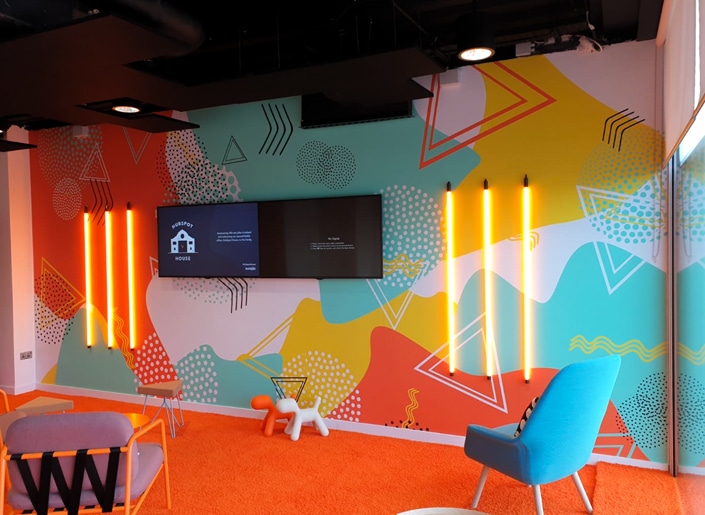
Outdoor Advertising

Large format printing is used in various applications across different industries:

  • Advertising: Billboards, posters, and transit ads.
  • Retail: Storefront displays, promotional banners, and point-of-purchase displays.
  • Events: Trade show graphics, event backdrops, and exhibition stands.
  • Interior Design: Murals, canvas prints, and custom wallpaper.
  • Architecture: Blueprints, construction plans, and site maps.

3. What Types of Materials Can Be Used in Large Format Printing?

Large format printing can be done on a wide variety of materials, including:

  • Paper: Common for posters and indoor banners.
  • Vinyl: Ideal for outdoor banners, billboards, and vehicle wraps due to its durability.
  • Canvas: Used for art reproductions and high-end signage.
  • Fabric: Suitable for flags, banners, and backdrops.
  • Foam Board: Often used for mounting prints for presentations and displays.
  • Metal and Wood: Used for more permanent signage and high-impact visual displays.

4. How Does Resolution Affect Large Format Printing?

Resolution plays a crucial role in the quality of large format prints. Measured in dots per inch (DPI), resolution determines the detail and clarity of the printed image. For large format printing, a resolution of 150 DPI at full size is generally sufficient, as these prints are often viewed from a distance. Higher resolutions might be needed for prints viewed up close to maintain sharpness and detail.

5. What File Formats Are Best for Large Format Printing?

For large format printing, high-quality file formats are essential to ensure optimal print results. The most commonly accepted file formats include:

  • PDF (Portable Document Format): Maintains high quality and is universally compatible.
  • TIFF (Tagged Image File Format): Ideal for images due to its lossless compression.
  • JPEG (Joint Photographic Experts Group): Widely used for photographs, though it uses lossy compression.
  • AI (Adobe Illustrator) and EPS (Encapsulated PostScript): Preferred for vector graphics, ensuring scalability without loss of quality.

6. How Should Files Be Prepared for Large Format Printing?

Proper file preparation is key to achieving high-quality large format prints. Here are some tips:

  1. Set the Correct Resolution: Ensure your files are at the appropriate DPI for the size of the print.
  2. Use CMYK Color Mode: Printers use CMYK (Cyan, Magenta, Yellow, Black) rather than RGB (Red, Green, Blue) colour mode.
  3. Bleed and Crop Marks: Include bleed and crop marks in your design to account for any trimming that may occur.
  4. Vector Graphics: Use vector graphics where possible, as they can be scaled without loss of quality.
  5. Proofing: Review your file carefully for any errors or inconsistencies before sending it to print.

7. What Are the Benefits of Large Format Printing?

Large format printing offers numerous benefits, including:

  • Visibility: The large size makes your message stand out and grab attention.
  • Versatility: Can be used on various materials for different applications.
  • Durability: With the right materials, large format prints can withstand outdoor conditions.
  • Customization: Allows for highly personalized and unique designs tailored to specific needs.
  • Quality: Advances in printing technology ensure high-resolution, vibrant, and detailed prints.

8. How Long Does Large Format Printing Take?

The turnaround time for large format printing depends on several factors, including the size of the print, the complexity of the design, the type of material, and the volume of the order. Generally, simple prints can be completed within a few days, while more complex projects may take longer. It’s advisable to discuss timelines with your printing service provider to get an accurate estimate.

9. How Much Does Large Format Printing Cost?

The cost of large format printing varies based on several factors:

  • Size: Larger prints naturally cost more than smaller ones.
  • Material: Different materials have varying costs, with some being more expensive than others.
  • Ink Usage: Full-color prints use more ink and can be pricier than single-color prints.
  • Volume: Larger orders might benefit from bulk pricing discounts.
  • Finishing Options: Additional services like laminating, mounting, and framing can increase the overall cost.

10. Can Large Format Prints Be Used Outdoors?

Yes, many large format prints are designed specifically for outdoor use. Materials like vinyl and certain fabrics are durable and weather-resistant, making them ideal for outdoor signage, banners, and billboards. Additionally, UV-resistant inks are used to prevent fading from exposure to sunlight, ensuring the longevity of the prints.

11. What is the Lifespan of Large Format Prints?

The lifespan of large format prints depends on the materials and inks used, as well as the environmental conditions they are exposed to. Outdoor prints made with durable materials and UV-resistant inks can last several years, while indoor prints typically have a longer lifespan due to less exposure to harsh elements. Regular maintenance, such as cleaning and proper storage, can also extend the life of large format prints.

12. What Printing Technologies Are Used in Large Format Printing?

Several printing technologies are commonly used in large format printing:

  • Inkjet Printing: Widely used for its ability to produce high-quality images with fine details and vibrant colours.
  • UV Printing: Uses ultraviolet light to cure or dry the ink as it is printed, suitable for a variety of materials including plastics, glass, and metal.
  • Solvent Printing: Uses solvent-based inks that adhere well to non-porous surfaces, making it ideal for outdoor signage.
  • Latex Printing: Uses water-based inks combined with latex, providing durable and eco-friendly prints suitable for both indoor and outdoor use.

13. What are the Best Large Format Printers Available?

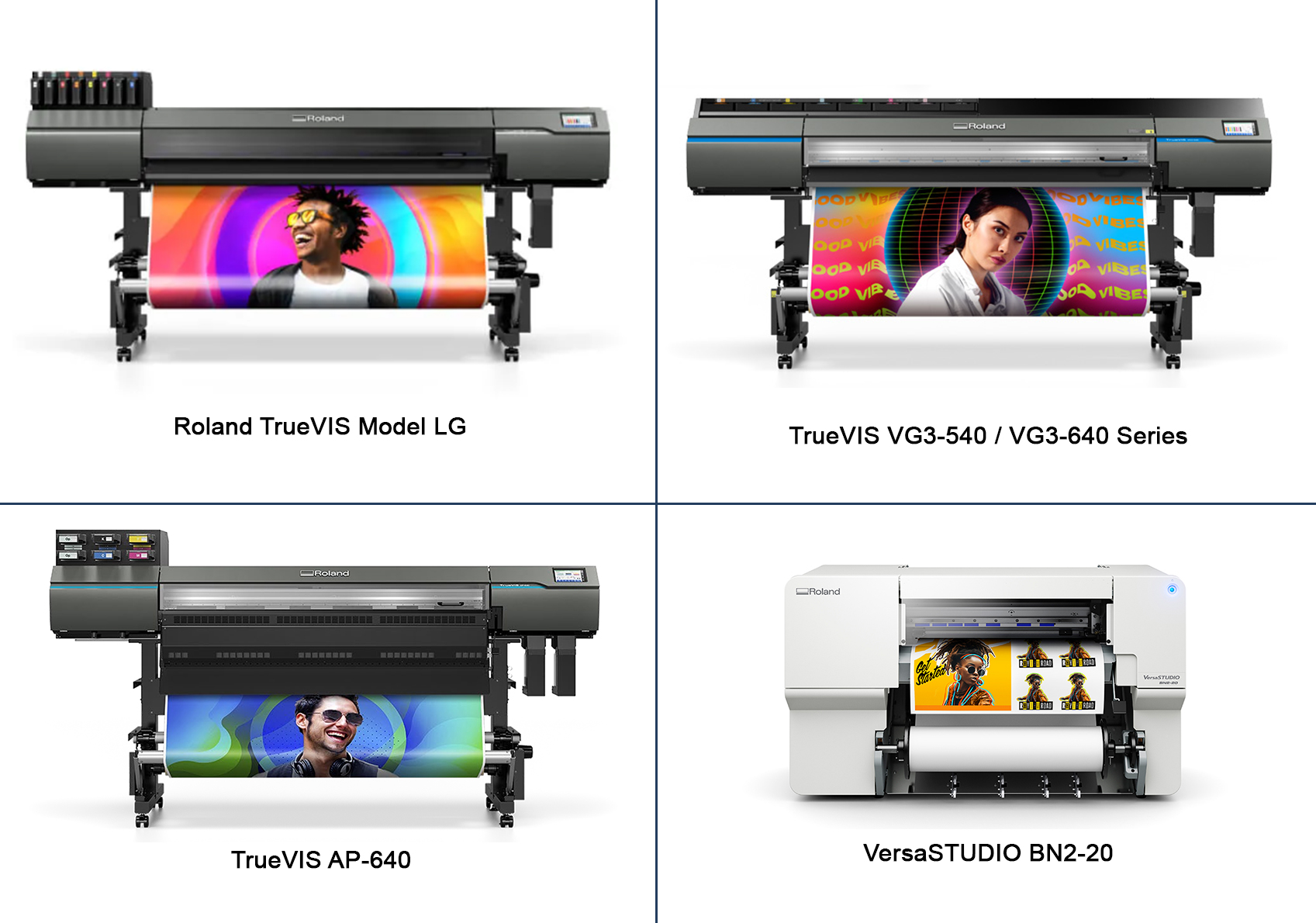
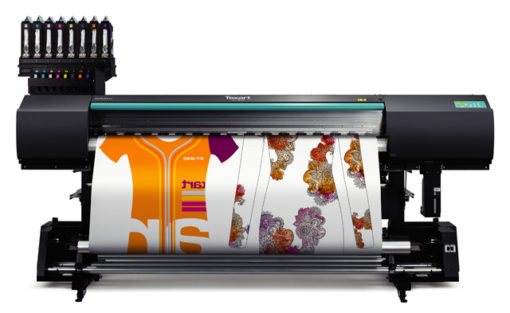
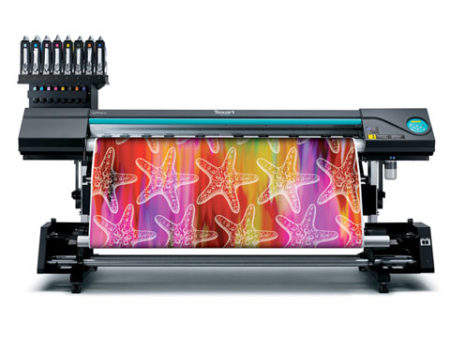
Printers for Wide Format Printing 2

Some of the best printers are:

  • TrueVIS VG3 Series Printers/Cutters
    The TrueVIS VG3-540 / VG3-640 Series Printers Cutters combine cutting-edge printing technology with precise cutting capabilities, delivering outstanding graphics and designs with vivid colours and exceptional precision.
  • Roland VersaSTUDIO BN2 Series Desktop Printer/Cutters
    Offers a compact yet powerful solution for high-quality printing and precise cutting, making it perfect for small businesses and creative endeavours. Its versatile capabilities and user-friendly design make it an ideal choice for producing a variety of graphics and designs with exceptional detail and colour.
  • TrueVIS AP-640
    Blending the rapid drying and eco-friendly attributes of resin printing with the remarkable colour rendition, user-friendly operation, and dependable performance synonymous with TrueVIS Series printers
  • Roland Model LG-640 / LG-540 / LG-300
    Designed to deliver high-quality UV printing on a variety of rigid and flexible substrates, allowing businesses to produce stunning graphics, signage, and promotional materials. With their advanced UV ink technology and precise printing capabilities, these printers offer exceptional colour accuracy, durability, and versatility, making them ideal for a wide range of applications in the graphics and printing industry.

14. What Are Some Tips for Designing Effective Large Format Graphics?

Designing for large-format printing requires attention to detail and specific considerations:

  • Keep it Simple: Simplify your design to ensure clarity and impact from a distance.
  • Use High-Resolution Images: Ensure images and graphics are high-resolution to avoid pixelation.
  • Bold Fonts and Colors: Use bold, easily readable fonts and high-contrast colours for maximum visibility.
  • Scale and Proportion: Design at scale to ensure the elements are appropriately sized for the final print.
  • Test Your Design: Print a small-scale version to check for any issues before final printing.

15. How Can I Ensure My Large Format Prints Are Eco-Friendly?

To make your large format printing more eco-friendly, consider the following:

  1. Use Sustainable Materials: Choose recyclable or biodegradable materials for your prints.
  2. Eco-Friendly Inks: Opt for water-based, latex, or UV inks that have lower environmental impact.
  3. Efficient Printing Practices: Work with a printer that follows sustainable practices, such as minimizing waste and using energy-efficient equipment.
  4. Recycling: Dispose of old prints responsibly by recycling materials whenever possible.

By understanding these frequently asked questions about large format printing, you can make informed decisions about your printing projects, ensuring high-quality results that meet your needs. Whether for advertising, events, or interior design, large format printing offers a versatile and powerful way to create impactful visual communications.

Are you in the process of starting or expanding your large format printing business and in need of expert guidance on purchasing the right printing machine? Look no further! Our team of industry experts is here to provide you with valuable insights and expert opinions to help you make the best decision for your business. With a deep understanding of the large format printing industry, we can assist you in selecting the ideal printing machine that meets your specific requirements and budget. Contact us today for a personalized consultation and let us help you make the right investment for your business’s growth and prosperity.

Tag: printing business

9 Most Frequently Asked Questions about Direct-to-Film Printing

Direct-to-film (DTF) printing is rapidly gaining attention as a versatile and efficient method for garment decoration. This article delves into the most frequently asked questions about DTF printing, providing a comprehensive overview of its processes, benefits, and practical applications. From understanding how DTF printing works to exploring its advantages over other printing methods, this guide aims to equip readers with essential knowledge and insights. Whether you’re a seasoned professional or a newcomer, this FAQ article will help you navigate the intricacies of DTF printing and make informed decisions for your printing projects.

1. What is a Direct-to-Film Printing?

Direct-to-film (DTF) printing is a cutting-edge digital printing technology that transfers designs onto garments using a specialized film. The process involves printing the design onto a PET film using DTF inks and then sprinkling a layer of adhesive powder over the wet ink. Once the powder adheres to the ink, the film is cured through a heat press or conveyor dryer to solidify the adhesive. Finally, the printed film is placed onto the garment and heat-pressed, transferring the design onto the fabric.

DTF printing offers several advantages over traditional methods, such as printing on a wide variety of fabrics, including cotton, polyester, and blends, without the need for pre-treatment. It provides vibrant colours, fine details, and excellent washability, making it ideal for custom apparel, promotional items, and personalized garments. The flexibility and efficiency of DTF printing make it a popular choice for small to medium-sized production runs and one-off custom designs.

2. Can You Use DTF Printers for T-Shirt Printing?

Yes, DTF (Direct-to-Film) printers are well-suited for T-shirt printing. This printing method allows you to transfer vibrant, detailed designs onto various fabric types, including cotton, polyester, and blends, without requiring pre-treatment of the garments. The process involves printing the design onto a specialized film, applying adhesive powder, curing the film, and then heat-pressing it onto the T-shirt. DTF printing offers excellent colour vibrancy, fine detail reproduction, and durable washability, making it a versatile and efficient option for creating custom T-shirts, whether for small batches, large runs, or one-off designs.

3. Difference Between Direct-to-Film Printing and Screen Printing

Direct-to-film (DTF) printing and screen printing are two distinct methods for decorating garments, each with its advantages and applications.

Direct-to-Film Printing:

  • Process: DTF printing involves printing a design onto a specialized film using DTF inks, applying an adhesive powder, curing the film, and then heat-pressing it onto the garment.
  • Detail and Color: DTF allows for highly detailed, full-colour designs with smooth gradients and fine details, making it suitable for intricate artwork and multicoloured images.
  • Fabric Versatility: It can be used on a wide range of fabrics, including cotton, polyester, blends, and even non-textile materials.
  • Setup and Production: DTF printing has a low setup cost and is efficient for small to medium-sized production runs, custom orders, and one-off designs.
  • Durability: Properly cured DTF prints offer good washability and durability.

Screen Printing:

  • Process: Screen printing involves creating a stencil (or screen) for each colour in the design. Ink is then pushed through the screen onto the garment using a squeegee.
  • Detail and Color: Best suited for designs with limited colours and larger, solid areas of colour. Achieving fine details and gradients can be challenging.
  • Fabric Versatility: Typically used on cotton and cotton-blend fabrics, though specialty inks can allow for printing on other materials.
  • Setup and Production: High setup costs due to the need for screens and stencils, making it more cost-effective for large production runs rather than small batches or custom orders.
  • Durability: Screen prints are highly durable and withstand frequent washing and heavy wear.

In summary, DTF printing is ideal for detailed, full-colour designs and smaller production runs, offering versatility across various fabrics. Screen printing, while more cost-effective for large orders, excels with simpler designs and provides exceptional durability.

4. Direct to Film Printing vs Direct to Garment Printing

Direct-to-Film (DTF) printing and Direct-to-Garment (DTG) printing are two digital printing methods used for garment decoration, each with distinct processes and advantages.

DTF printing involves printing a design onto a specialized film using DTF inks, applying an adhesive powder, curing the film, and then transferring the design onto the fabric using a heat press. This method is versatile, allowing for printing on a wide variety of fabrics, including cotton, polyester, and blends, without needing pre-treatment. DTF printing excels in producing vibrant colours and fine details, making it ideal for intricate and multicoloured designs, as well as offering excellent washability and durability.

In contrast, DTG printing directly applies ink onto the fabric using a specialized inkjet printer. The garment, particularly if dark-coloured, typically requires pre-treatment to ensure proper ink adhesion and colour vibrancy. DTG printing is renowned for its ability to reproduce high-quality, full-colour images with smooth gradients and fine details directly onto the garment, providing a soft feel. While DTG is excellent for natural fibres like cotton, it is less effective on synthetic fabrics without additional pre-treatment. It is best suited for small to medium-sized production runs and one-off custom designs, offering a quick turnaround for detailed and colourful prints.

5. Other Projects You Can Create Through Direct-to-Film Printing

Direct-to-Film (DTF) printing is highly versatile and can be used for a variety of projects beyond T-shirt printing. Some other projects you can create using DTF printing include:

  1. Hoodies and Sweatshirts
  2. Hats and Caps
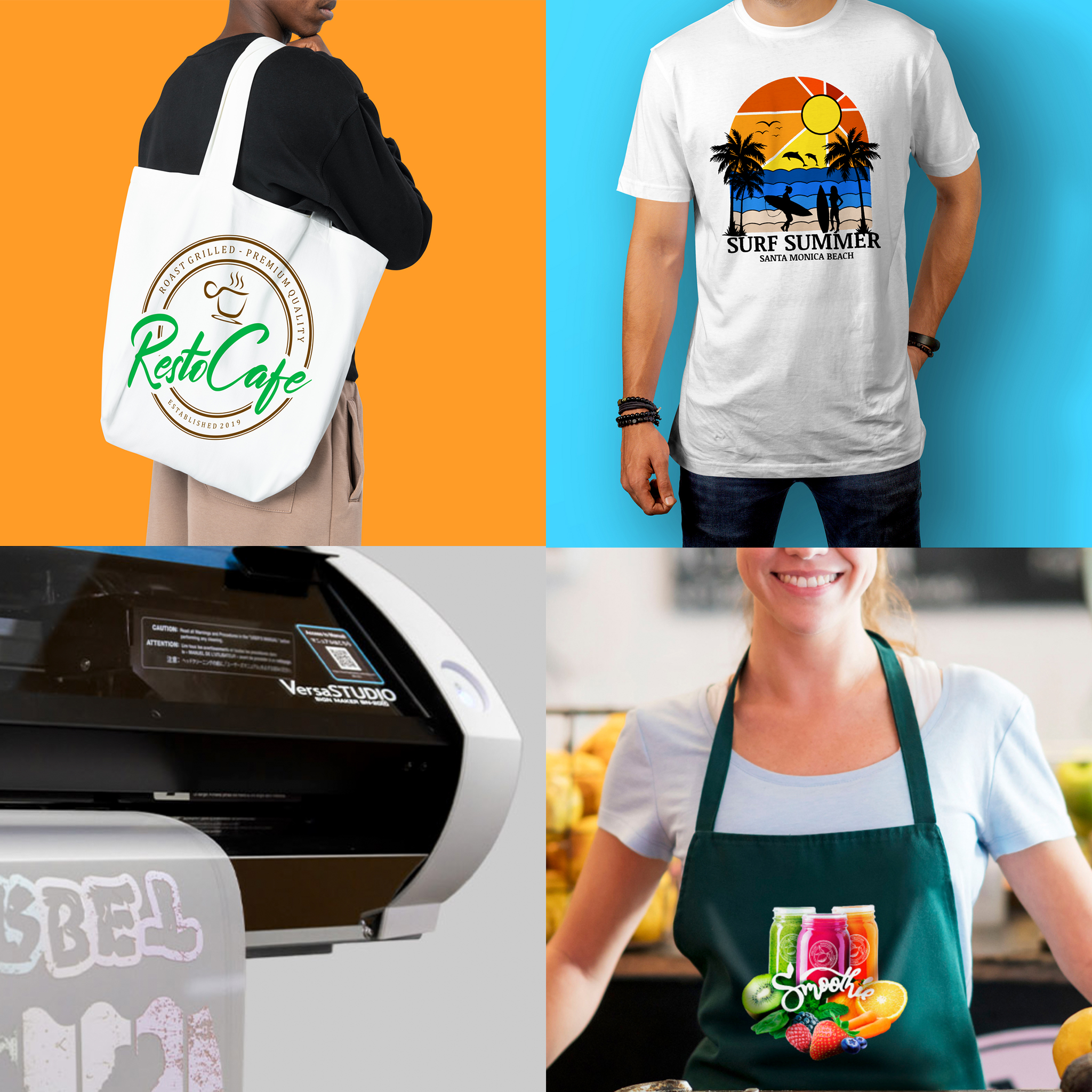
  3. Tote Bags and Backpacks
  4. Shoes
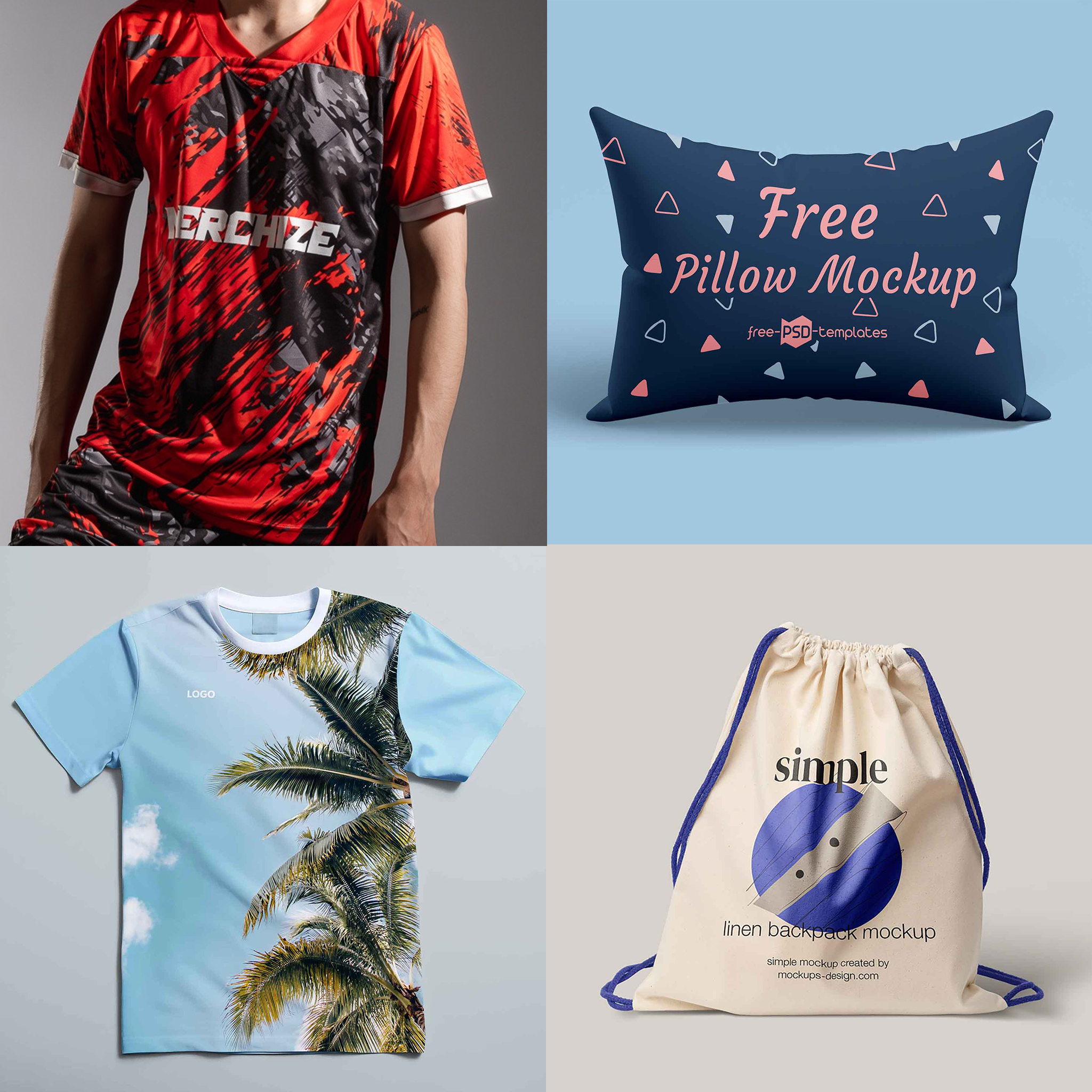
  5. Pillowcases and Home Textiles
  6. Promotional Items
  7. Sportswear
  8. Patches

DTF printing’s flexibility and capability to print on a variety of fabric types and surfaces make it a valuable tool for a wide range of custom and personalized projects, extending far beyond just T-shirt printing.

6. Can I Use Ink from DTG for DTF projects?

No, DTF printing requires specialized DTF ink. Using DTG ink on DTF film will cause the ink to run and mix with the white and CMYK colors

7. Best DTF Printers in 2024

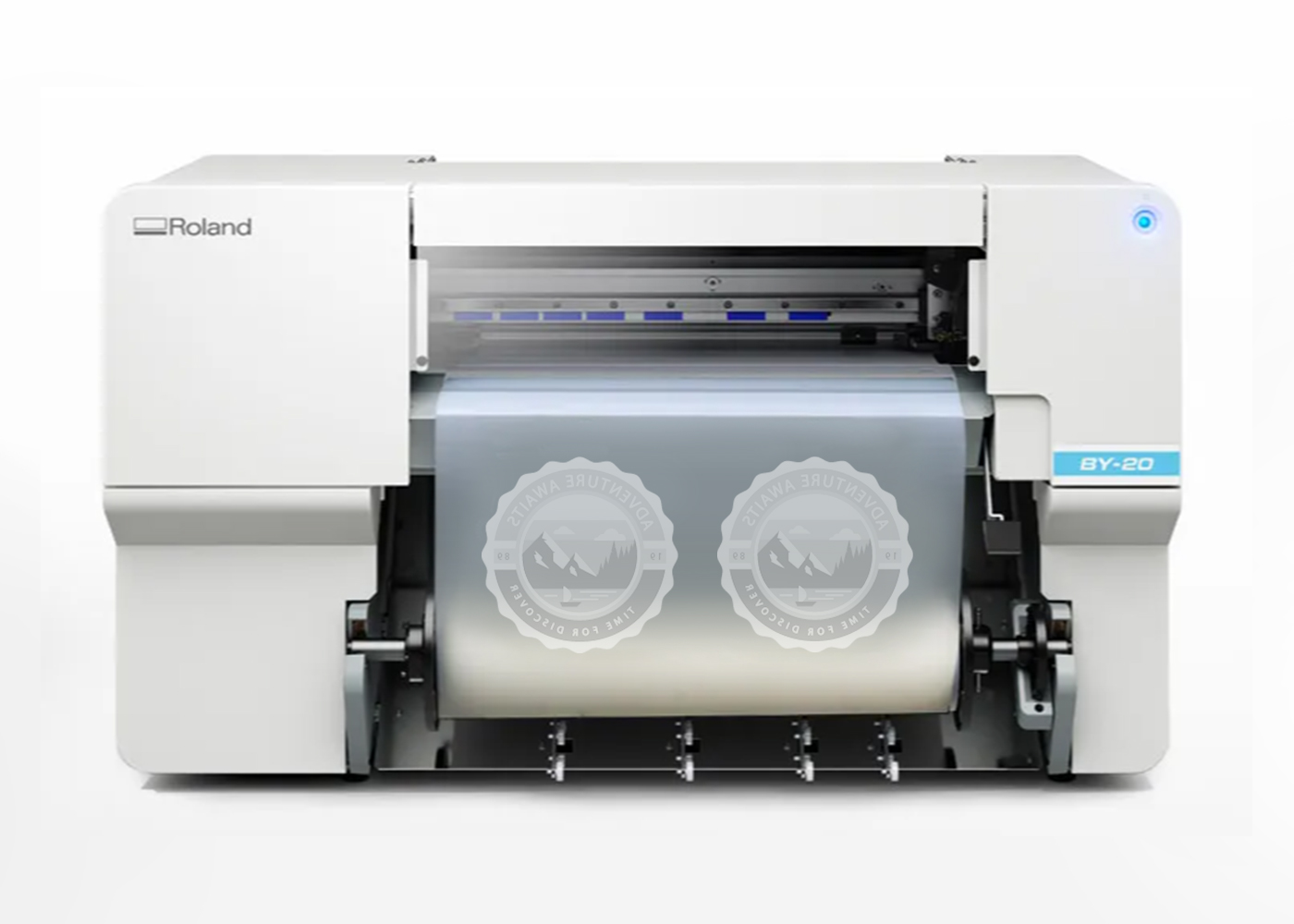
Roland DG has released the latest and most innovative Direct-to-Film printer, the Roland VersaStudio BY-20. It’s a highly versatile desktop device ideal for a range of direct-to-film apparel applications, such as creating custom T-shirts, sportswear, tote bags, and more. With its compact design, it is even perfect for small businesses that have small production space.

Read our introduction article about Roland VersaStudio BY-20 to learn more.

8. How do you Wash T-shirts made with DTF printers?

Washability is excellent if you use high-quality powder and follow the correct application procedures. It certainly outperforms laser white toner transfers. A washing temperature of 40°C is recommended.

9. Things to Do Before Using an Inactive DTF Printer

Unused DTF printers will clog just like a DTG or regular inkjet printer. If you plan to leave your printer unused for a few weeks or months, you will need to flush the lines, clean the printhead, and leave it soaking in a cleaning solution.

Are you a business owner looking to elevate your apparel customization game? Consider investing in direct-to-garment printing machines. Contact us today to explore your options and take the first step toward enhancing your business with the latest in t-shirt printing technology. Let’s turn your creative vision into a colourful, wearable reality!
Tag: printing business

Binding 101: How Do Saddle Stitching Works

Understanding the intricacies of document binding methods is crucial for professionals in various industries who strive for both functionality and presentation in their printed materials. This article focuses on how saddle stitching works, a popular and efficient binding technique. Saddle stitching is essential for businesses, publishing houses, educational institutions, and print shops, where producing high-quality booklets, brochures, and magazines is essential. We will explore the process of saddle stitching, highlight its advantages compared to other binding methods, and provide examples of when this method is most effectively used. By the end of this article, readers will have a comprehensive understanding of why saddle stitching is a preferred choice for many short-run print projects.

What is Saddle Stitching?

Saddle stitching is a popular bookbinding method commonly used for creating booklets, brochures, magazines, and catalogs. It is well-suited for documents with a lower page count and involves securing folded sheets together along a central crease. This binding technique is widely used in various industries due to its simplicity and effectiveness in producing professional-looking printed materials.

How Does Saddle Stitching Work?

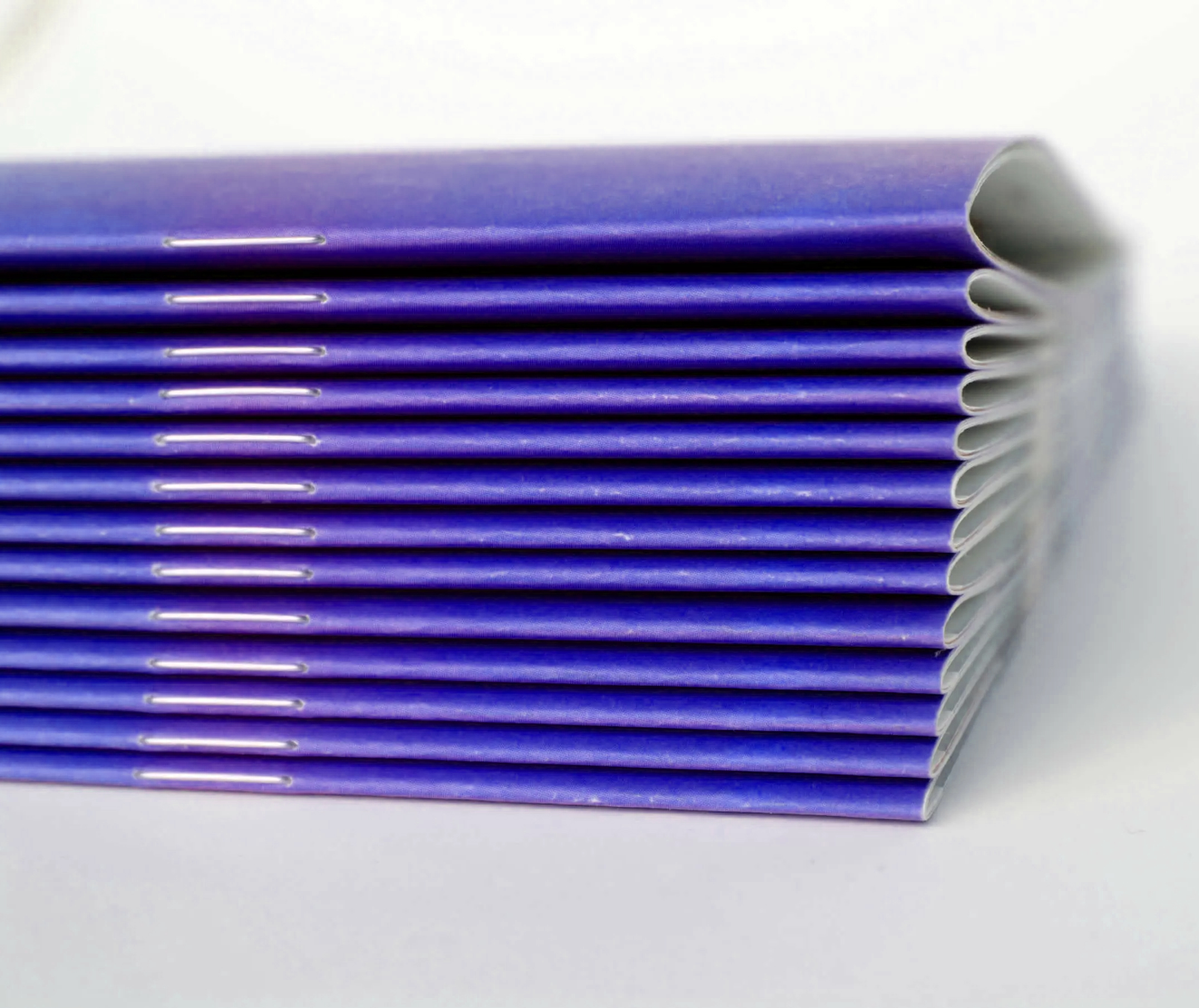
what is saddle stitching

Saddle stitching is a straightforward and efficient binding method commonly used for creating booklets, brochures, magazines, and catalogues. Here’s how it works:

First, collating the pages: The individual sheets of the document are printed and then arranged in the correct order. Each sheet typically contains two pages on the front and two on the back, so when folded, they appear in the correct sequence.

Second, folding the sheets: The collated sheets are then folded in half along the middle, creating a spine. This folding process essentially turns the flat sheets into a booklet format with pages in the correct order.

Third, stapling the spine: The folded sheets are placed over a “saddle,” a piece of equipment that holds the booklet in a curved position. Staples are then inserted through the folded spine, usually using a saddle stitching machine. The staples penetrate through the folded crease and are clinched on the inside to bind the pages together securely.

Fourth, trimming the edges: After stapling, the edges of the booklet may be trimmed to ensure a clean and professional appearance. This step removes any uneven edges, giving the final product a neat finish.

Finally, inspection: The completed booklets are inspected to ensure that the pages are properly aligned and the staples are securely in place.

Saddle stitching is ideal for smaller documents, typically up to 80 pages, depending on the thickness of the paper. This method is appreciated for its simplicity, cost-effectiveness, and quick production time, making it a popular choice for a wide range of printed materials.

You can read more about our article covering the most frequently asked questions about saddle stitching.

Advantages of Using Saddle Stitching

Saddle stitching offers several advantages compared to other binding methods, making it a popular choice for specific types of printed materials. Here’s a comparison highlighting its benefits:

Cost-Effective:

  • Saddle Stitching: One of the most affordable binding methods due to its simplicity and minimal use of materials.
  • Other Methods: Perfect binding, wire binding, and hardcover binding generally involve higher costs due to more complex processes and additional materials.

Quick Production:

  • Saddle Stitching: Fast to produce, allowing for quick turnaround times, which is ideal for time-sensitive projects.
  • Other Methods: Methods like case binding and perfect binding take longer due to more intricate processes involving glue, drying time, or additional assembly steps.

Simplicity and Ease of Use:

  • Saddle Stitching: The process is straightforward, requiring only folding and stapling, which can be easily automated for large runs.
  • Other Methods: Methods like wire binding and perfect binding require more steps and specialized equipment.

Lay-Flat Design:

  • Saddle Stitching: Documents can lay relatively flat when opened, making them easy to read and handle.
  • Other Methods: Perfect binding and case binding do not lay as flat when opened, which can be less convenient for certain types of documents.

Lightweight and Portable:

  • Saddle Stitching: Produces lightweight booklets that are easy to carry and distribute, ideal for brochures, catalogues, and magazines.
  • Other Methods: Hardcover binding and wire binding result in heavier and bulkier documents, which can be less convenient for distribution.

Professional Appearance:

  • Saddle Stitching: Offers a clean and professional look suitable for marketing materials, event programs, and newsletters.
  • Other Methods: While case binding and perfect binding also provide a professional appearance, they are better suited for higher-end publications like books and annual reports.

Versatility:

  • Saddle Stitching: Works well for documents up to approximately 80 pages, depending on paper thickness.
  • Other Methods: Perfect binding, wire binding, and case binding are more suitable for thicker documents but may not be as practical for smaller publications.

Minimal Page Count Limitations:

  • Saddle Stitching: Ideal for smaller documents and publications, often used for booklets, brochures, and thin magazines.
  • Other Methods: Methods like perfect binding require a minimum page thickness to be effective, making them less suitable for thin documents.

Overall, saddle stitching is an excellent choice for short-run, lightweight, and cost-effective projects, providing a quick and professional binding solution that is particularly well-suited for marketing materials, small booklets, and event programs.

Best Projects That Use Saddle Stitching

Saddle stitching is best suited for projects that require a lightweight, cost-effective, and professional-looking binding solution. Here are some of the best projects that commonly use saddle stitching:

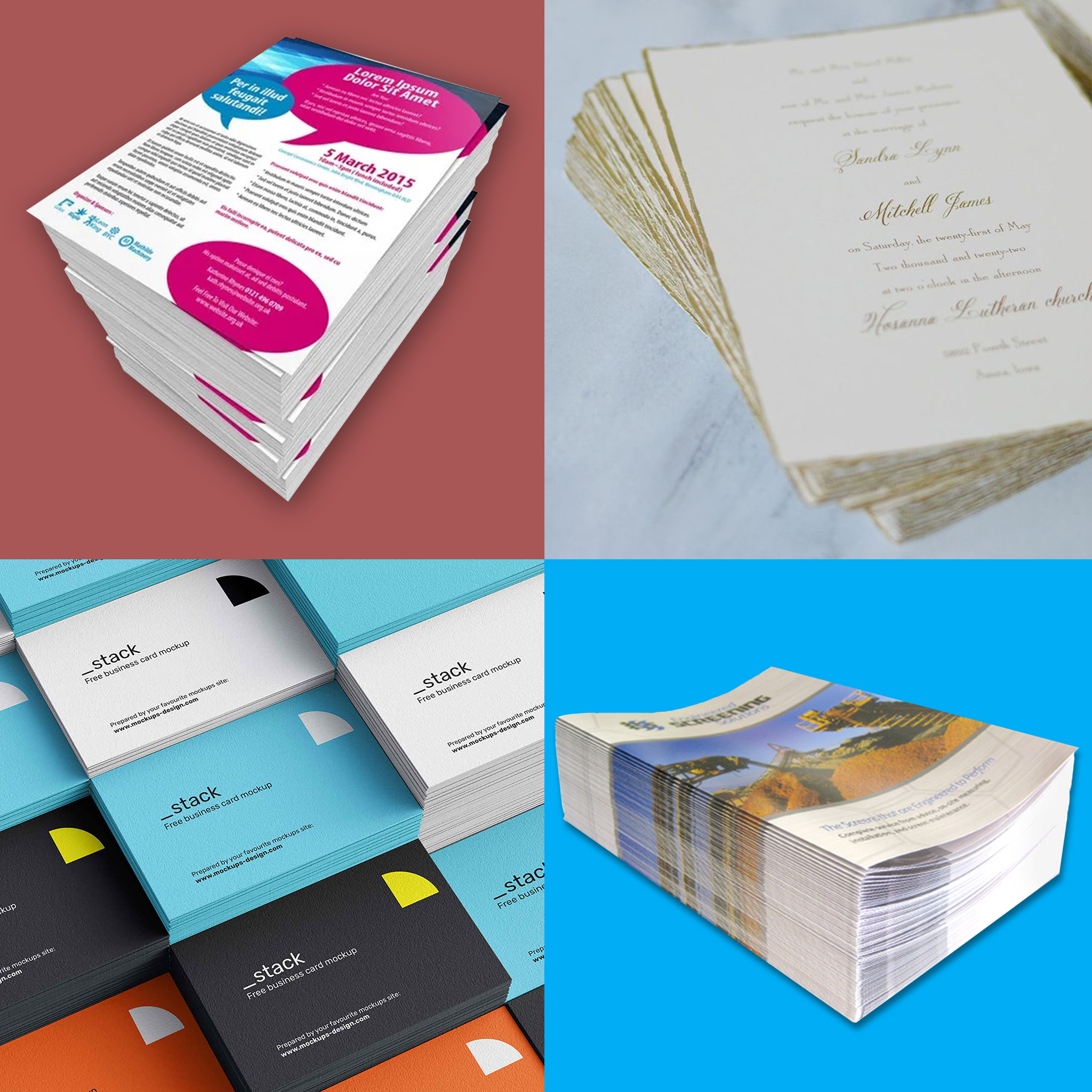
  1. Brochures: Ideal for marketing and promotional materials due to the cost-effective nature of saddle stitching and its ability to create sleek, easily distributable documents.
  2. Catalogues: Often used for product catalogues with a moderate number of pages, providing a professional appearance and easy readability.
  3. Magazines: Commonly used for short-run magazines and periodicals, offering a polished look while keeping production costs low.
  4. Booklets: Suitable for informational booklets, event programs, and instruction manuals, providing a neat and organized presentation.
  5. Newsletters: Frequently used for corporate or community newsletters, combining affordability with a clean, professional finish.
  6. Event Programs: Perfect for programs at conferences, weddings, and other events, offering a professional and easy-to-handle format.
  7. Annual Reports: Suitable for thinner annual reports, balancing cost and appearance for an impactful presentation.
  8. Instruction Manuals: Great for instruction and user manuals with fewer pages, ensuring they lay flat for easy reference during use.
  9. Photo Books: Used for smaller photo books, allowing for an aesthetically pleasing presentation while keeping production simple.
  10. Zines: Popular for small-scale, self-published magazines and artistic publications, due to the affordability and simplicity of saddle stitching.

These projects benefit from the saddle stitching method because it provides a professional appearance, is cost-effective, and allows for quick production, making it a versatile binding choice for a wide range of printed materials.

Best Saddle Stitching Machines in 2024

Here are some of the best saddle stitching machines:

Saddle stitching is a straightforward yet highly effective binding method, perfect for various printed materials such as brochures, booklets, magazines, and catalogs. Its simplicity, cost-effectiveness, and quick production time make it an ideal choice for businesses and organizations looking to produce professional-quality documents efficiently. By understanding how saddle stitching works and recognizing its many advantages, you can make informed decisions about your binding needs, ensuring your projects are both visually appealing and practical for their intended use.

Are you a business owner seeking to enhance your document organization and presentation capabilities? Consider the efficiency and professionalism that saddle stitching machines can bring to your operations. Contact us today to explore a range of saddle stitching solutions tailored to your specific needs, and elevate the way you present documents in your business.

Tag: printing business

Best Promotional Products To Print Using Roland VersaObject MO-240

In today’s competitive marketplace, businesses constantly seek innovative ways to capture consumer attention and leave a lasting impression. Enter promotional products – the tangible manifestations of brand identity that serve as powerful marketing tools. From custom pens to branded apparel, these items foster brand recognition and cultivate customer loyalty. However, the efficacy of promotional products hinges significantly on their quality and customization, a realm where printers play a pivotal role.

In this article, we delve into the importance of promotional products for businesses, exploring the best items to print and how advanced printing technology, such as the Roland VersaObject MO-240 printer, can elevate promotional efforts to new heights. Whether in retail, hospitality, or any industry seeking to bolster brand visibility, understanding the significance of promotional products and leveraging cutting-edge printing capabilities is essential for staying ahead in the competitive landscape.

What are Promotional Products?

Promotional products are tangible items imprinted with a company’s name, logo, or message, distributed to customers, clients, or prospects as part of a marketing or advertising campaign. These items are typically used to increase brand awareness, promote products or services, and foster customer loyalty. They come in a wide range of forms, including but not limited to apparel, office supplies, drinkware, tech accessories, and more. The goal is to leave a lasting impression on recipients, effectively extending the reach of a brand’s messaging beyond traditional advertising channels.

Using Roland VersaObject MO-240 to Print Promotional Products

Roland VersaObject MO-240 Flatbed UV Printer

Printing promotional products is now doable and easier with new technologies. The Roland VersaOBJECT MO-240 Benchtop Flatbed UV Printer revolutionizes the way businesses print promotional products. This cutting-edge UV flatbed printer showcases the pinnacle of direct-to-object printing. It offers unparalleled precision and versatility. With UV curing technology, this printer allows for direct printing on various surfaces, including rigid materials like glass, metal, and wood.

You can learn more about the features of the Roland MO-240 flatbed UV printer and why it’s the best printer for printing promotional products.

10 Best Promotional Products to Print Using Roland MO-240

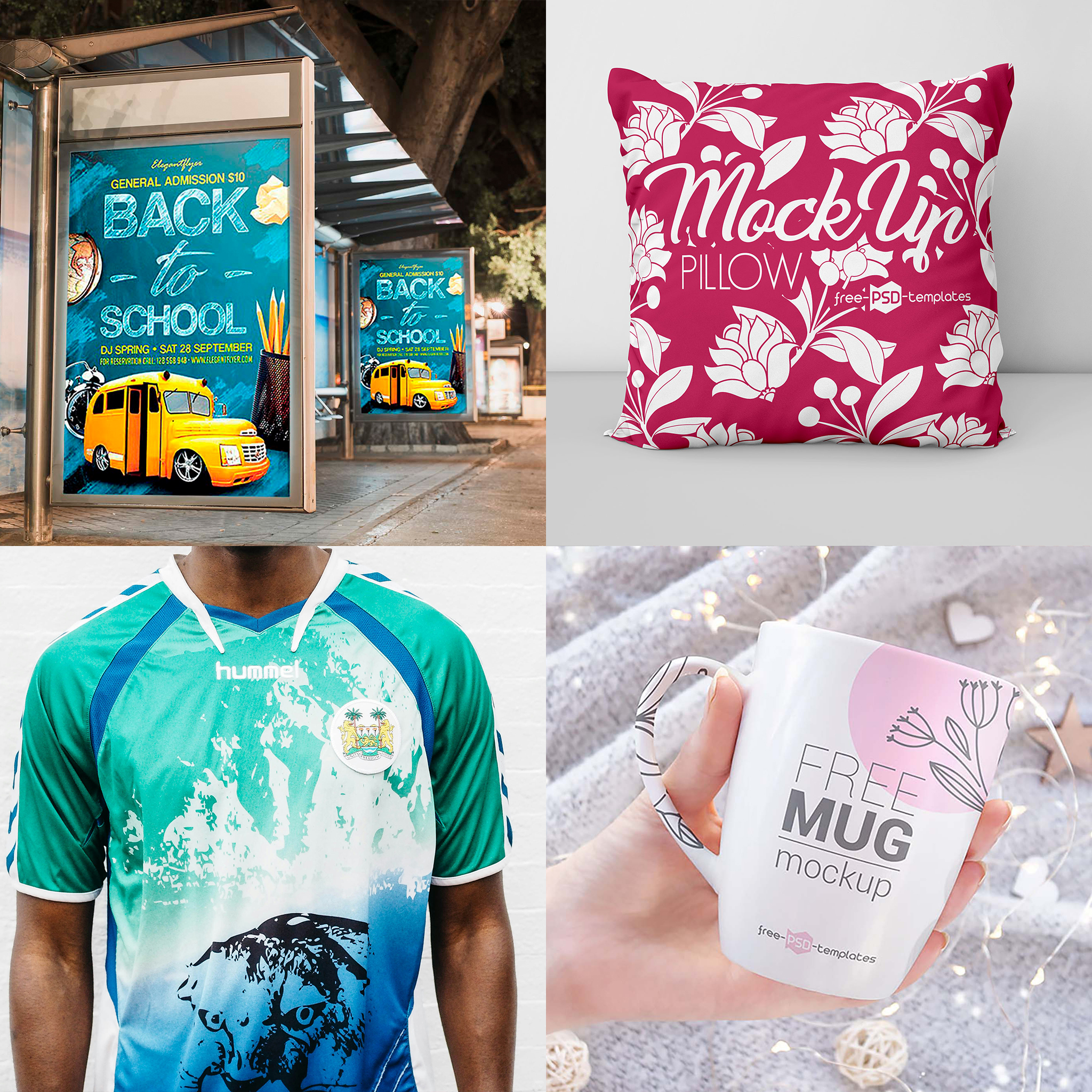
promotional products collage

The best promotional products for businesses depend on various factors, including the target audience, industry, and marketing objectives. However, here are some products that can be printed using MO-240 printer that tend to yield positive results across different sectors:

  1. Branded Apparel: T-shirts, hats, and jackets featuring your company’s logo are walking advertisements that increase brand visibility wherever they go.
  2. Tech Accessories: Items like USB flash drives, phone chargers, and laptop sleeves are practical, high-value giveaways that appeal to a tech-savvy audience.
  3. Writing Instruments: Pens, pencils, and markers are timeless promotional products that are used daily, ensuring consistent brand exposure.
  4. Drinkware: Mugs, water bottles, and tumblers are popular choices that offer ample space for branding while providing utility to recipients.
  5. Bags and Totes: Whether it’s a backpack, tote bag, or messenger bag, these items offer a large imprint area and serve as useful companions for daily activities.
  6. Office Supplies: Notebooks, sticky pads, and desk organizers are functional items that keep your brand top-of-mind in the workplace.
  7. Health and Wellness Products: Items like hand sanitizers, lip balms, and first aid kits convey care for recipients’ well-being while prominently displaying your brand.
  8. Environmental-Friendly Products: Eco-conscious consumers appreciate items like reusable shopping bags, bamboo utensils, and recycled notebooks that align with sustainability values.
  9. Customized Calendars and Planners: Practical and long-lasting, these items keep your brand visible year-round while helping recipients stay organized.
  10. Promotional Tech Gadgets: Innovative gadgets like wireless chargers, Bluetooth speakers, and power banks are highly sought-after items that appeal to a wide audience.

Ultimately, the best promotional products are those that resonate with your target audience, align with your brand identity, and offer practical value to recipients. By carefully selecting items that meet these criteria, businesses can maximize the impact of their promotional campaigns and foster stronger connections with customers and prospects.

Why Promotional Products are Important for Business?

Promotional products are crucial for businesses due to several reasons:

  • Promotional products increase brand visibility by putting your company’s name, logo, or message directly into the hands of potential customers.
  • Tangible items create a lasting impression on recipients, keeping your brand top-of-mind when they’re making purchasing decisions.
  • Giving away promotional products fosters goodwill and strengthens relationships with customers, encouraging repeat business and brand advocacy.
  • Compared to traditional advertising methods, promotional products offer a high return on investment (ROI) and can be more cost-effective in reaching a targeted audience.
  • Promotional products come in a wide range of options, allowing businesses to choose items that align with their brand identity and target audience preferences.

Promotional products are powerful marketing tools that enhance brand recognition, driving sales, and contribute to long-term business success.

In conclusion, businesses can now use the Roland MO-240 printer to produce the best promotional products. By embracing cutting-edge printing technology, companies can unlock a world of creativity and customization, bringing their brand visions to life with unparalleled precision and efficiency. From branded apparel and tech accessories to eco-friendly items and office supplies, the versatility of the Roland MO-240 enables businesses to create promotional products that resonate with their target audience and leave a lasting impression. With its advanced capabilities, including diverse material compatibility, high-speed production, and exceptional quality, this printer empowers businesses to elevate their promotional efforts and stand out in today’s competitive marketplace. By investing in the right promotional products and leveraging the capabilities of the Roland MO-240, businesses can drive brand visibility, foster customer loyalty, and ultimately achieve greater success in their marketing endeavours.

If you are a potential business owner looking to print promotional products, PRINTFINISH is your ultimate partner for success. Our comprehensive range of cutting-edge printing and finishing solutions, coupled with our expertise and exceptional customer support, will empower your business to thrive in the competitive market. Contact us today and unlock the full potential of your printing business with PRINTFINISH as your trusted partner.

Tag: printing business

7 Maintenance Tips for Your Wire Binding Machine

Ensuring the proper maintenance of equipment is essential for efficiency and longevity. In this article, we’ll delve into the importance of proper maintenance for wire-binding machines and why it’s crucial for businesses, offices, print shops, and other sectors where document binding is a routine task. Whether you’re a small business owner, a printing professional, or an office administrator, understanding how to maintain your wire binding machine can help you maximize its performance, minimize downtime, and prolong its lifespan. We’ll cover essential maintenance tasks, troubleshooting tips, and best practices to keep your wire binding machine running smoothly and producing high-quality bound documents consistently. By investing time and effort into proper maintenance, you can ensure that your wire binding machine remains a reliable tool in your document management arsenal.

What is a Wire Binding?

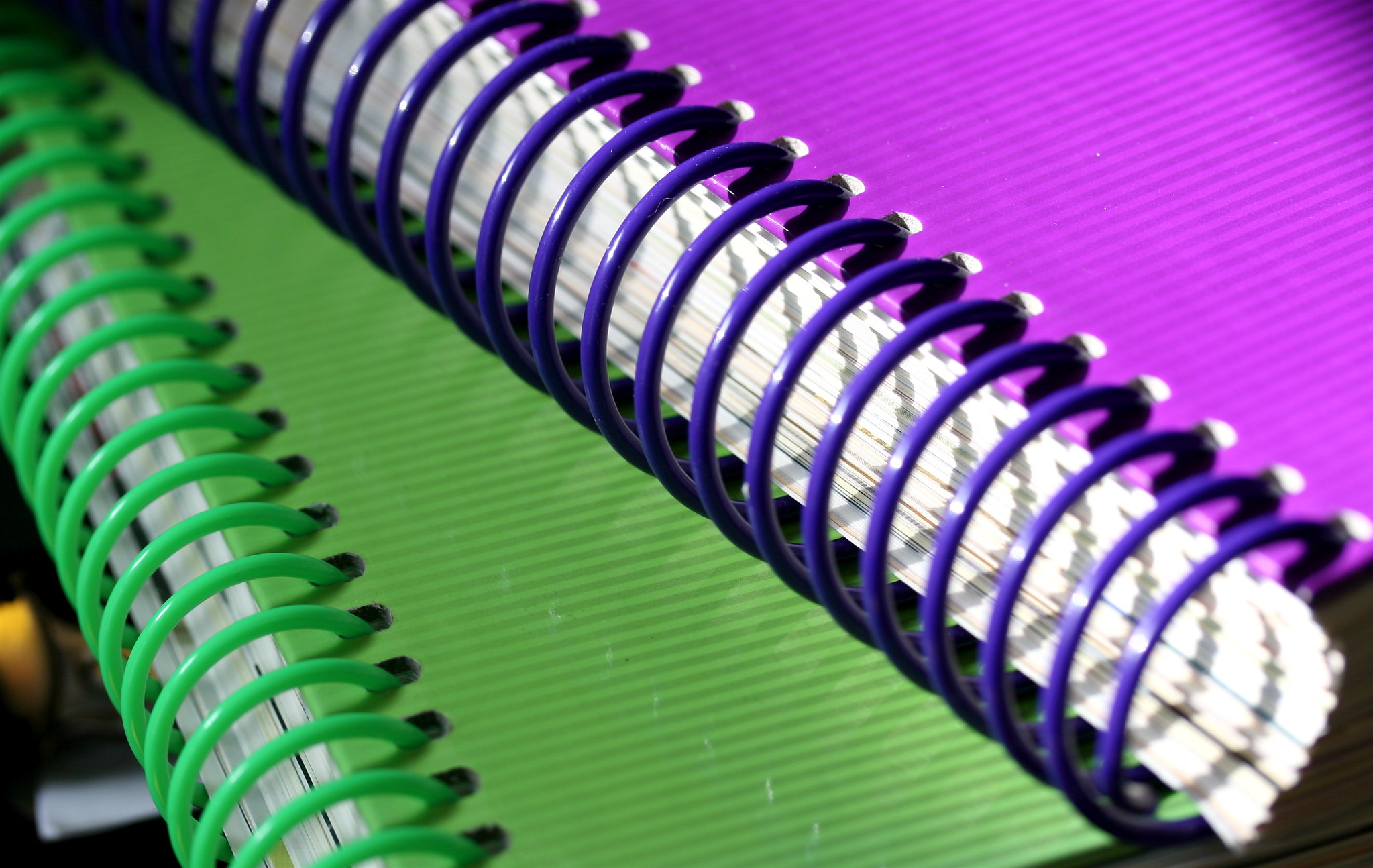
First, let us understand what the wire binding method is. The wire binding method is a document binding technique that involves using a metal wire or coil to securely bind the pages of a document together. This method typically utilizes a specialized wire binding machine to punch evenly spaced holes along the edge of the document and then thread the wire through these holes. Once the wire is threaded through, it is closed using a wire closer to securely hold the pages in place. Wire binding provides a durable and professional-looking finish, allowing documents to lay flat when opened for easy reading and referencing. It is commonly used for reports, presentations, manuals, calendars, and other types of documents across various industries.

Also, a wire binding machine is a specialized piece of equipment used for binding documents using wire binding coils. Also known as wire binders or wire closers, these machines are commonly used in offices, print shops, copy centers, and other businesses where document binding is a regular task. Wire binding machines come in various sizes and capacities, ranging from small desktop models suitable for occasional use to larger industrial-grade machines capable of high-volume production.

The primary function of a wire binding machine is to punch evenly spaced holes along the edge of the document and then thread a wire binding coil through these holes to securely bind the pages together. These machines typically feature adjustable settings to accommodate different paper sizes, hole patterns, and wire sizes. Some advanced models may also include additional features such as built-in wire closers, electric punching capabilities, and foot pedals for hands-free operation.

Wire binding machines are versatile tools that offer several advantages, including durability, professional appearance, and the ability to lay flat when opened. They are commonly used for binding reports, presentations, manuals, calendars, and other documents where a sleek and professional finish is desired. Proper maintenance of a wire binding machine is essential to ensure optimal performance, longevity, and the production of high-quality bound documents consistently.

Why is Maintenance Important?

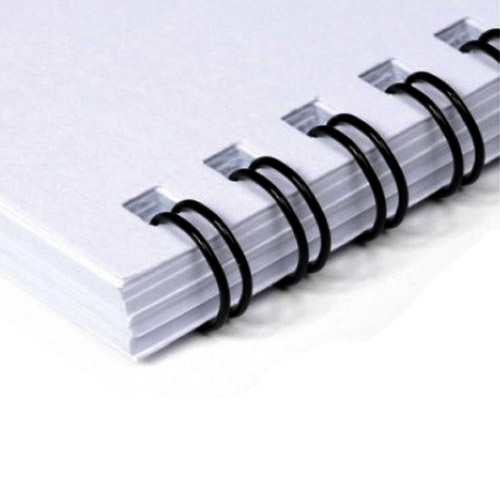
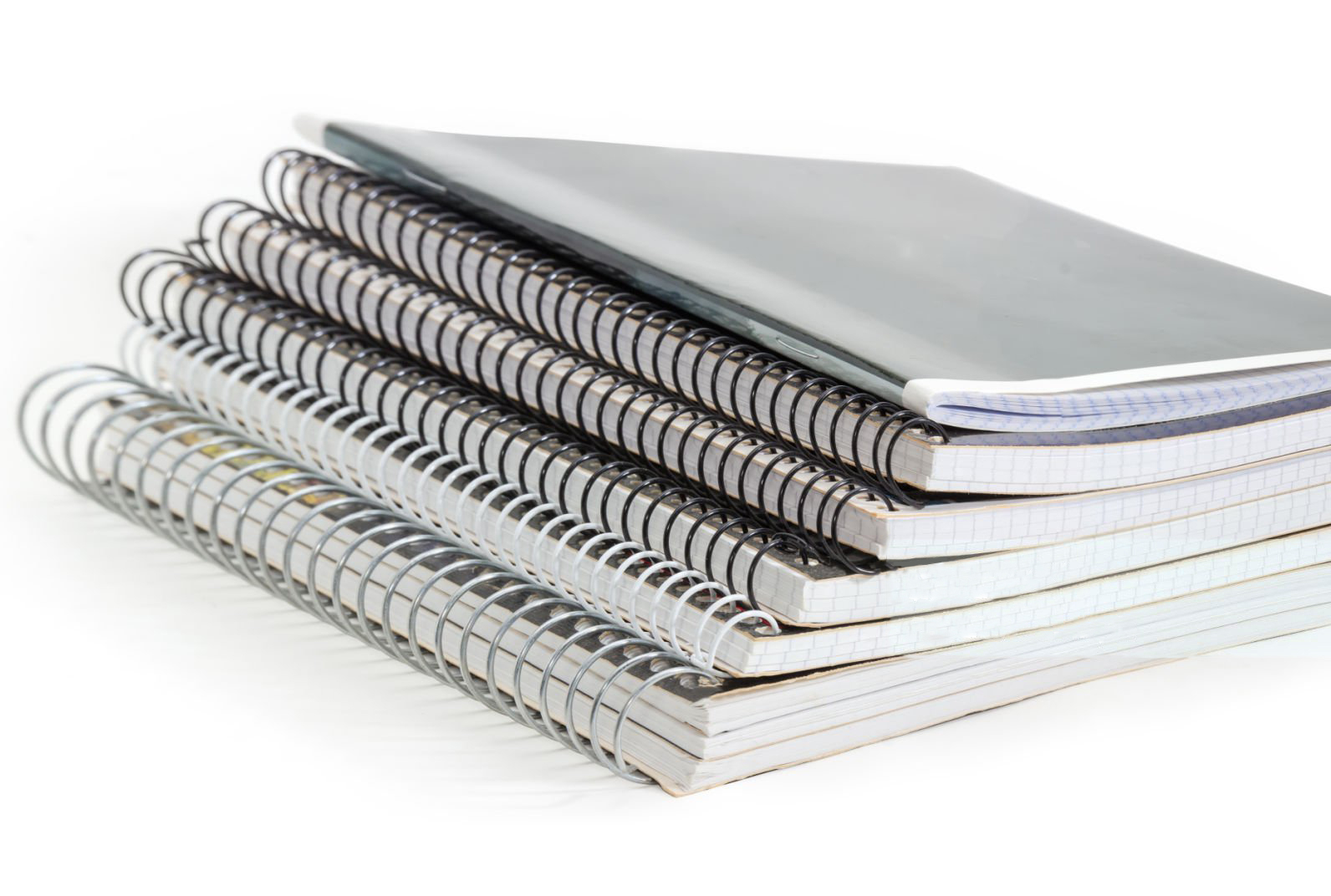
Wire Bindings

Maintenance of binding machines is crucial for optimal performance, longevity, and consistent quality of bound documents. Regular upkeep helps prevent malfunctions, extends equipment lifespan, and reduces downtime. It also ensures safety, saves costs on repairs, and may be necessary for compliance with regulations. Proper maintenance minimizes the risk of accidents, enhances productivity, and preserves the professional appearance of documents.

7 Things to Remember When Doing Maintenance on Your Wire Binding Machine

When maintaining your wire binding machine, keep the following in mind:

  • Regular Cleaning: Remove debris and residue to prevent jams and ensure smooth operation.
  • Lubrication: Apply lubricant to moving parts according to manufacturer recommendations to prevent wear and tear.
  • Inspection: Regularly inspect the machine for damaged or worn parts, and replace them as needed to avoid breakdowns.
  • Calibration: Ensure that the machine is properly calibrated to punch holes and close wires accurately.
  • Proper Use: Follow the manufacturer’s instructions for operation and avoid overloading the machine to prevent damage.
  • Safety Precautions: Always turn off the machine before performing maintenance tasks and use appropriate safety gear.
  • Professional Servicing: Consider periodic servicing by a qualified technician to maintain optimal performance.

By adhering to these maintenance tips, you can prolong the lifespan of your wire binding machine and ensure consistent, high-quality results.

Advantages of Having a Well-Maintained Wire Binding Machine

Maintaining a wire binding machine is crucial for ensuring its optimal performance and longevity. Here are the advantages of having a well-maintained wire binding machine:

  • Optimal Performance: Smooth operation and reliable binding, minimizing downtime.
  • Longevity: Extends machine lifespan, reducing the need for costly repairs or replacements.
  • Consistent Quality: Produces high-quality bound documents consistently, enhancing professionalism.
  • Safety: Reduces the risk of accidents or injuries to users, ensuring a safe working environment.
  • Cost Savings: Saves money on repairs and replacements, maximizing return on investment.
  • Compliance: Helps meet safety regulations and industry standards, avoiding penalties.
  • Productivity: Enhances workflow efficiency, increasing productivity and overall output.

You further check our most frequently asked questions about wire binding.

Best Wire Binding Machines in 2024

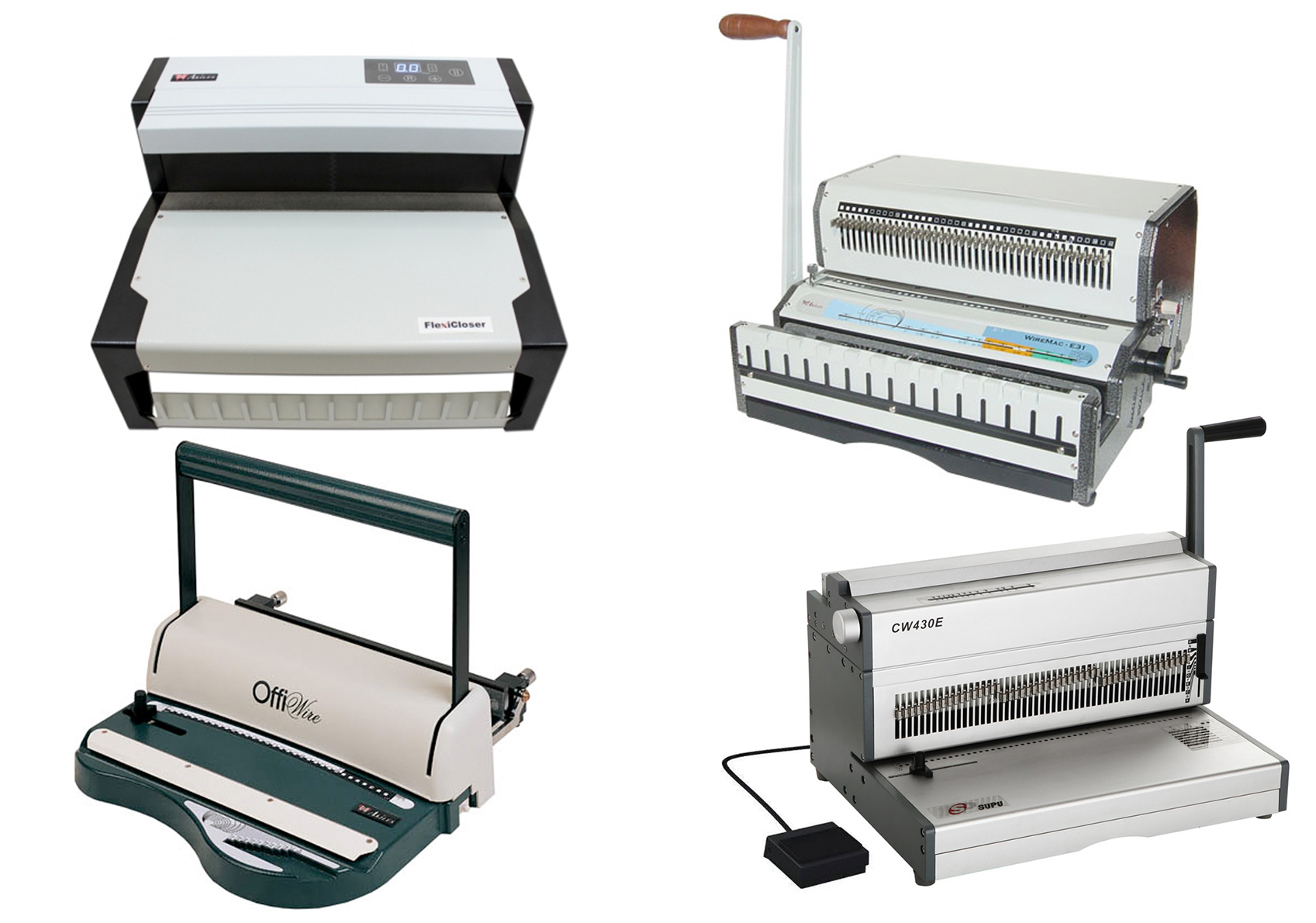
best wire binding machines

Here are some of the best wire-binding machines:

In conclusion, proper maintenance of a wire binding machine is essential for ensuring its optimal performance and longevity. By adhering to the maintenance tips outlined in this article, users can minimize downtime, reduce the risk of malfunctions, and prolong the lifespan of their equipment. Regular cleaning, lubrication, inspection, and calibration are key practices that can help keep wire binding machines in top working condition. Additionally, prioritizing safety, investing in professional servicing when needed, and following manufacturer recommendations for use are essential aspects of effective maintenance. By incorporating these maintenance tips into their routine, users can maximize the efficiency, reliability, and lifespan of their wire-binding machines, ultimately contributing to a more productive and successful document-binding process.

If you’re a business owner in need of the best binding machines to enhance your document organization and presentation, look no further. Our comprehensive range of high-quality binding equipment is designed to meet your specific needs, whether you run an office, a binding business, or a printing venture. Streamline your operations, impress clients, and leave a lasting impression with our top-notch binding solutions. Contact us today to explore the perfect binding machine that aligns with your requirements, and take the first step toward optimizing your document management and presentation capabilities.

Tag: printing business

Printing 101: What is Resin Ink?

Resin inks stand as a transformative force in the realm of printing, offering unparalleled versatility and durability across a spectrum of industries. Unlike traditional inks, which rely on pigment or dye-based formulations, resin inks are engineered with synthetic resins, providing enhanced adhesion and resistance to external elements. This innovation finds its niche primarily in the signage and outdoor advertising sectors, where longevity and weather resistance are paramount. The importance of resin inks extends beyond mere print quality; they ensure the longevity and reliability of printed materials, making them indispensable in applications ranging from banners and billboards to vehicle wraps and architectural signage. In this article, we delve into the unique properties of resin inks, their applications across various industries, and their vital role in elevating the standards of modern printing.

Quick Overview of the Different Types of Printer Inks

Eco Solvent Ink Technology

Printer inks come in various types, each tailored to meet specific printing needs and requirements. The most common types of printer inks include:

  • Dye-based inks: Ideal for producing vibrant and colourful prints, dye-based inks are commonly used in home printers and for printing high-quality photographs. They offer excellent colour saturation but may fade over time when exposed to light and moisture.
  • Pigment-based inks: Pigment-based inks contain solid pigment particles suspended in a liquid carrier. These inks are known for their longevity and resistance to fading, making them suitable for archival printing and documents intended for long-term storage. They are commonly used in office printers and professional-grade printing applications.
  • Eco-solvent inks: Eco-solvent inks are solvent-based inks designed for outdoor and indoor signage applications. They provide excellent durability, water resistance, and UV resistance, making them suitable for outdoor banners, vehicle wraps, and other outdoor displays.
  • UV-curable inks: UV-curable inks are cured instantly using ultraviolet (UV) light, resulting in fast drying times and enhanced durability. These inks are commonly used in wide-format printers for printing on rigid substrates such as glass, metal, and acrylic. They offer excellent scratch resistance and vibrant colours.
  • Solvent-based inks: Solvent-based inks are commonly used in large-format printers for outdoor signage and banners. They offer excellent durability and weather resistance, making them suitable for outdoor applications. However, they may emit volatile organic compounds (VOCs) during printing, requiring proper ventilation.

Each type of ink has its advantages and limitations, so it’s essential to choose the right ink for your specific printing needs and applications.

What is a Resin Ink?

Presenting one of the newest innovations from Roland DG: Resin Inks. New TrueVIS Resin Inks combine all the quick-drying, high-productivity, and environmentally friendly advantages of resin with unsurpassed TrueVIS image quality and colour.

Resin ink, also known as resin-based ink, is a type of ink formulated with synthetic resins as the main component. Unlike traditional inks, which typically use pigment or dye-based formulations, resin inks incorporate synthetic resins to enhance adhesion and durability. These resins form a strong bond with the printing substrate, resulting in prints that are highly resistant to abrasion, chemicals, moisture, and UV exposure.

Resin inks are commonly used in industrial printing applications where durability and longevity are critical. The most common usage is in large-format printing products such as in outdoor signage, labels, packaging, and product identification. They are especially well-suited for printing on challenging substrates like plastics, metals, glass, and coated papers.

Overall, resin inks offer excellent print quality, durability, and resistance to environmental factors, making them a popular choice for demanding printing applications in industries such as manufacturing, logistics, and retail.

Resin Ink’s Best Features:

  • Resin inks are extremely cost-effective, allowing users to create more output with less ink.
  • GREENGUARD Gold-certified water-based inks that contain no hazardous substances and meet the most rigorous standards for low VOC emissions.
  • The resin ink is affordable, durable, and versatile, yielding stunning, long-lasting graphic results on various media.
  • TrueVIS Resin ink delivers stunning images, dries rapidly, and produces output suitable for a wide range of indoor and outdoor settings, including sensitive environments such as schools and hospitals. Its distinctive formulation renders it unmatched for numerous profitable applications.
  • TrueVIS Resin Ink’s rapid drying capability enhances productivity significantly.
  • Resin ink boasts highly concentrated colour pigmentation, resulting in heavier colour saturation compared to conventional resin ink formulations.
  • TrueVIS Resin Inks are available in economical, environmentally friendly high-capacity 700 ml pouches, ensuring cost-effective and convenient print production with easy replacement.
  • Roland DG’s newly developed water-based resin ink and its True Rich Color 3 preset work together to provide high colour and natural-looking print quality, time and time again.

Resin Ink’s Available Colours:

Explore the vibrant spectrum of colours offered by Resin Ink for your printing needs:

  • Cyan
  • Magenta
  • Yellow
  • Black
  • Optimizer

Common Use of Resin Ink

resin inks products

Resin ink is a versatile printing solution known for its durability, vibrant colours, and excellent adhesion to various substrates. Its wide range of applications makes it a popular choice across different industries. Here are some common uses of resin ink:

  1. Wall décor: Resin ink is commonly used in the production of wall decorations due to its ability to adhere well to various surfaces and withstand environmental factors such as light and moisture.
  2. Retail displays: Resin ink is favoured for creating eye-catching retail displays that require vibrant colours and durability to withstand handling and exposure in high-traffic environments.
  3. Car stickers/decals: Resin ink is ideal for producing stickers and decals with crisp, long-lasting graphics that can withstand outdoor conditions and repeated handling.
  4. Indoor signs: Resin ink is often used in the production of indoor signs for businesses, exhibitions, and events, offering high-quality prints with excellent colour saturation and durability.
  5. Vehicle wraps: Resin ink is commonly used in vehicle wrapping applications, providing vibrant graphics that adhere well to the contours of vehicles and withstand exposure to weather, UV rays, and car washes.
  6. Banners/posters: Resin ink is a popular choice for printing banners and posters that require vibrant colours and durability for outdoor use, such as advertising banners and event posters.

Compatible Printers for Resin Inks

TrueVIS AP 640 Resin Printer

Currently, the most compatible printers for resin inks include models such as the TrueVIS AP-640 large format printers. This advanced machine brings brand-new resin ink technology to the TrueVIS product line, giving customers an additional choice to meet the ever-changing demands of print service providers. TrueVIS AP-640 uses water-based TrueVIS resin ink which offers fast drying, scratch-resistant, and safe results across a broad range of media. Equipped with a high-productivity Dryer Unit, prints dry quickly and thoroughly before advancing to the next stage.

Read more about our Roland TrueVIS AP-640 Large Format Resin/Latex Printer product introduction.

In conclusion, resin ink stands as a versatile and reliable solution for various printing needs. With its fast drying time, scratch-resistant properties, and compatibility with a wide range of media, resin ink ensures high-quality and durable results in diverse applications. Whether you’re creating vibrant retail displays, durable vehicle wraps, or eye-catching stickers, resin ink provides the durability and quality needed to bring your designs to life. Its exceptional performance and versatility make it a preferred choice for professionals across industries, delivering outstanding results time and time again.

Ready to elevate your large format printing game? Contact our expert team today to explore how our cutting-edge printer upgrades can revitalize your business. Don’t miss out on the chance to offer your clients unmatched quality and efficiency – reach out now and let us guide you toward a more profitable future in large-format printing.

Tag: printing business

Binding 101: How Wire Binding Works

When it comes to document organization and presentation, finding the right binding method is essential for professionals across various industries. Wire binding stands out as a versatile and reliable solution among the many options available. In this article, we’ll delve into wire binding, how it works, and its applications across different sectors. From corporate reports to academic papers and personal projects, understanding the intricacies of wire binding can significantly enhance the quality and functionality of bound documents. Let’s explore how this method works and why it’s a preferred choice for professionals seeking efficient and professional document-binding solutions.

What is a Wire Binding Method?

Before knowing how it works, it’s important to know what wire binding is.

Wire binding is a popular document binding method that involves securing the pages of a document together using a metal wire or coil. This method typically utilizes a specialized wire binding machine, which punches evenly spaced holes along the edge of the pages and then feeds the wire through these holes. Once the wire is threaded through the holes, it is then closed using a wire closer, which squeezes the wire into a tight loop, securely holding the pages in place. Wire binding provides a durable and professional-looking finish, allowing the document to lay flat when opened for easy reading and referencing. It is commonly used for reports, presentations, manuals, notebooks, and other types of documents across various industries.

How Does Wire Binding Work?

Without further ado, here’s a step-by-step guide on how wire binding works:

  1. Prepare Your Document: Gather the pages of your document in the desired order. Ensure that the edges are aligned neatly.
  2. Punch Holes: Use a specialized wire binding machine to punch evenly spaced holes along the edge of the document. The machine will have adjustable settings to accommodate different paper sizes and hole patterns.
  3. Select Wire Size: Choose the appropriate size of wire coil for your document. This will depend on the thickness of the document and the diameter of the holes punched.
  4. Thread the Wire: Take the wire coil and insert it into the first few holes of the document. Ensure that the wire is facing in the correct direction, with the open ends of the coil facing toward the back of the document.
  5. Continue Threading: Continue threading the wire coil through all the punched holes in the document until it reaches the end.
  6. Close the Wire: Once the wire coil is fully threaded through the document, place it onto the wire closer of the binding machine. The closer will have adjustable settings to match the diameter of the wire coil.
  7. Secure the Wire: Activate the wire closer to squeeze the wire coil tightly, closing it around the edges of the document. This securely holds the pages together.
  8. Trim Excess Wire: If necessary, use wire cutters to trim any excess wire protruding from the edges of the document.
  9. Finish: Your document is now securely bound with wire binding. It can be opened flat for easy reading and referencing.

By following these steps, you can effectively use wire binding to create professional-looking documents for various purposes.

Advantages of Using the Wire Binding Method

The wire binding method offers several advantages, making it a preferred choice for document binding in various industries:

  • Wire binding provides a sleek and professional finish to documents, enhancing their overall presentation. This makes it suitable for reports, presentations, proposals, and other professional materials.
  • Wire-bound documents can lay flat when opened, allowing for easy reading, writing, and photocopying.
  • The metal wire used in wire binding provides durability and ensures that pages are securely held together. This makes wire-bound documents resistant to wear and tear, making them suitable for frequent handling.
  • Wire-bound documents can be rotated 360 degrees, allowing them to be folded back on themselves for convenient use in presentations or meetings.
  • Did you know that wire binding allows for the customization of documents with different cover options, such as clear plastic covers or cardstock covers? Additionally, documents can be easily edited or updated by removing and replacing individual pages.
  • Wire binding can easily accommodate large documents, making it suitable for manuals, handbooks, and other lengthy publications. The wire binding method ensures that pages stay securely bound even in thick documents.
  • Wire binding equipment and supplies are relatively affordable, making wire binding a cost-effective option for businesses, organizations, and individuals looking to create professional-looking documents.
  • Wire binding can be used for a wide range of document types, including reports, presentations, manuals, calendars, and more. Its versatility makes it a practical choice for various industries and applications.

Overall, the wire binding method offers numerous advantages, including a professional appearance, durability, lay-flat design, customization options, suitability for large documents, cost-effectiveness, and versatility, making it an ideal choice for document binding needs.

Best Wire Binding Machine in 2024

best wire binding machines

Here are some of the best wire-binding machines:

Check out the most frequently asked questions about wire binding.

In conclusion, the wire binding method offers a practical and efficient solution for document binding needs across various industries. Its straightforward process and reliable results make it a preferred choice for professionals seeking to enhance the presentation and durability of their documents. By understanding the step-by-step process of wire binding and its numerous advantages, individuals and businesses alike can effectively utilize this method to create professional-looking documents that meet their specific needs. Whether it’s for reports, presentations, manuals, or other publications, wire binding provides a cost-effective and versatile solution that ensures documents are well-organized, durable, and visually appealing.

If you’re a business owner in need of the best binding machines to enhance your document organization and presentation, look no further. Our comprehensive range of high-quality binding equipment is designed to meet your specific needs, whether you run an office, a binding business, or a printing venture. Streamline your operations, impress clients, and leave a lasting impression with our top-notch binding solutions. Contact us today to explore the perfect binding machine that aligns with your requirements, and take the first step toward optimizing your document management and presentation capabilities.


Tag: printing business

14 Most Frequently Asked Questions About DTG Printing

When it comes to garment printing, direct-to-garment (DTG) printing stands out as a cutting-edge technology revolutionizing the industry. In this article, we delve into the frequently asked questions (FAQs) surrounding DTG printing, exploring its intricacies, advantages, and challenges. From understanding the process itself to delving into the nuances of material compatibility and design intricacies, we aim to provide a comprehensive guide for both beginners and seasoned professionals navigating the realm of DTG printing. Join us as we unravel the mysteries and unveil the potential of this innovative printing technique.

1. What is Direct-to-Garment Printing?

Direct-to-garment (DTG) printing is a modern digital printing technique that enables high-quality, full-colour designs to be printed directly onto garments such as T-shirts, hoodies, and tote bags. Unlike traditional printing methods like screen printing, which involves creating stencils and applying layers of ink, DTG printing works more like a regular inkjet printer but on fabric.

The process involves loading the garment onto a specialized printer equipped with textile inks. The printer then directly applies the ink onto the fabric, following the digital design file provided. This allows for intricate designs, vibrant colours, and detailed graphics to be reproduced accurately and efficiently.

DTG printing is highly versatile and suitable for both small and large production runs. It offers advantages such as quick turnaround times, the ability to print complex designs with gradients and fine details, and the capability to produce custom prints without the need for setup costs or minimum order quantities.

2. DTG vs Traditional Screen Printing

DTG printing excels in producing high-quality, full-color designs with intricate details and is well-suited for small to medium production runs. On the other hand, traditional screen printing is more efficient for large production runs of simple designs and offers excellent durability and colour vibrancy. The choice between the two methods depends on factors such as design complexity, production quantity, fabric type, and budget constraints.

Fabric Compatibility:

DTG Printing: Versatile and suitable for printing on various types of fabrics, including cotton, polyester, blends, and even some specialty fabrics.
Screen Printing: Works well on cotton and other natural fabrics but may not adhere as effectively to synthetic or textured fabrics.

Durability and Feel:

DTG Printing: Provides a soft feel and good durability when proper printing techniques and quality inks are used. The print becomes part of the fabric, resulting in a smooth finish.
Screen Printing: Offers excellent durability and vibrant colours. The ink sits on top of the fabric, providing a slightly raised texture and a more durable finish.

Complexity of Designs:

DTG Printing: Ideal for intricate designs, photographs, and designs with multiple colours and gradients. DTG printers can reproduce fine details accurately.
Screen Printing: Best suited for simple designs with fewer colours. Each colour in a design requires a separate screen, making it less efficient for complex designs.

3. Why Use DTG?

direct-to-garment printing

The combination of high-quality prints, versatility, quick turnaround times, and cost-effectiveness for small runs makes DTG printing a valuable tool for businesses, designers, and individuals seeking efficient and customizable garment decoration solutions.

4. Difference Between DTG and DTF Printing

DTG (Direct-to-Garment) printing and DTF (Direct-to-Film) printing are two distinct digital printing methods for garments. DTG printing involves directly printing ink onto fabric, resulting in vibrant, high-quality prints with intricate details and smooth gradients. On the other hand, DTF printing transfers a design from a film onto a garment using a heat press, allowing for printing on various fabrics, including cotton, polyester, and blends. While DTG printing is preferred for its versatility, ability to produce full-colour prints and soft feel, DTF printing offers advantages such as the ability to print on dark fabrics and textured surfaces, making it suitable for certain applications like personalized apparel and promotional items.

5. What Kinds of Graphics Can You Print with DTG Printing?

You can print nearly anything with DTG technology, ranging from portraits and logos to custom designs. The crucial factor lies in the quality of the graphic being printed. Graphics with good contrast, high resolution, and large bitmapped images reproduce exceptionally well, while vector images yield even better results! Here are some of the graphics you can print:

  • Complex Designs: Intricate and detailed designs with fine lines, small text, and intricate patterns can be accurately printed using DTG technology.
  • Photographic Prints: DTG printing excels at reproducing photographic images with high resolution and vibrant colours, making it suitable for printing portraits, landscapes, and other photographic artwork.
  • Multicolour Designs: DTG printers can handle designs with multiple colours and gradients seamlessly, allowing for vibrant and dynamic prints without colour limitations.
  • Logos and Branding: Company logos, branding elements, and promotional graphics can be printed onto garments with precision and clarity, helping businesses create branded apparel for marketing and promotional purposes.
  • Artwork and Illustrations: DTG printing is ideal for printing artwork and illustrations with intricate details, bold colours, and shading, enabling artists and designers to showcase their creativity on garments.
  • Text and Typography: DTG technology can print text and typography in various fonts, sizes, and styles, making it suitable for printing slogans, quotes, and custom text-based designs on garments.
  • Custom and Personalized Designs: DTG printing allows for easy customization of garments with personalized designs, names, initials, and messages, making it popular for creating unique and one-of-a-kind apparel items.

6. 2 Common Terminologies to Know in DTG Printing

  • Bitmapped Images

Refers to a graphic that is composed of individual pixels, each assigned a specific colour value. These images are also known as raster images. In contrast to vector graphics, which are defined by mathematical formulas and scalable without loss of quality, bitmapped images have a fixed resolution and may lose clarity when scaled up. Common examples of bitmapped images include photographs, digital paintings, and scanned artwork. When printing with DTG technology, bitmapped images are suitable for achieving detailed and realistic prints, especially when they have high resolution and good contrast. All scanned images are bitmaps, and all images from digital cameras are bitmaps. Common bitmap formats include bmp, jpg, tiff, gif, png, and psd.

  • Vector Images

Graphics are created using mathematical formulas to define lines, shapes, and colors. Unlike bitmapped images, which are composed of pixels and have a fixed resolution, vector images are resolution-independent, meaning they can be scaled to any size without loss of quality. Common file formats for vector images include SVG (Scalable Vector Graphics), AI (Adobe Illustrator), and EPS (Encapsulated PostScript). Vector images are highly versatile and suitable for DTG printing because they allow for crisp, clean lines and shapes, making them ideal for logos, text, and graphics with solid colours and well-defined edges. Additionally, vector images typically result in smaller file sizes compared to bitmapped images, making them easier to manage and manipulate. Common vector formats include cdr (CorelDRAW), ai (Adobe Illustrator) and eps.

7. Can You Interchangeably Use or Convert Bitmapped Images to Vector Images (and vice-versa)?

Yes. You can use both images in using Direct to Garment printesr.

As for converting from one to another, through the use of software, you can convert one image type to another:

Converting Bitmapped to Vector Images:

There are software tools available that can attempt to automatically convert bitmapped images to vector format. However, the results may vary depending on the complexity of the image and the quality of the conversion algorithm. Simple images with clear edges and distinct colors tend to convert more successfully.

Converting Vector to Bitmapped Images:

Vector images can be exported or rasterized into bitmapped formats like JPEG, PNG, or TIFF at a specified resolution. When exporting, consider the intended use and ensure the resolution is sufficient for the desired output size to avoid loss of quality. Some vector graphics software allows for applying bitmap effects to vector objects, simulating a bitmapped appearance. This can be useful for creating artistic effects or adding texture to vector artwork.

8. Can You Just Scan an Image and Print it on a Shirt Using a DTG Printer?

Yes, you can scan an image and print it on a shirt using a DTG (Direct-to-Garment) printer. Ensure that the image possesses adequate size and contrast for optimal scanning results, and scan it at a resolution of 300 dpi or higher. Keep in mind that scanned images are bitmap-based and altering their size can result in quality loss. While slight resizing may be feasible with minimal quality degradation, significant resizing will likely lead to noticeable loss of quality.

9. How Many Colours Do DTG Printers Produce?

cmyk

DTG (Direct-to-Garment) printers are capable of producing a wide range of colors, typically exceeding the limitations of traditional screen printing methods. They can reproduce full-color designs with virtually unlimited color options, including gradients, shades, and complex color combinations. While the exact number of colors a DTG printer can produce is not strictly defined, it can effectively replicate millions of colors by mixing primary ink colors (cyan, magenta, yellow, and black) in various proportions. This versatility allows for vibrant and detailed prints with rich color accuracy, making DTG printing suitable for reproducing intricate artwork, photographs, and designs with multicolor elements.

10. Are There Differences When Printing in a White Garment vs Black/Darker Garments in DTG Printing?

Yes, there are significant differences when printing on white garments compared to black or darker garments in DTG (Direct-to-Garment) printing:

Printing on white garments is relatively straightforward since the fabric color is already light. Colors appear vibrant and true to the original design. Whereas printing on black or darker garments requires a white underbase layer to be printed first. This white layer acts as a base for the colors in the design to ensure opacity and vibrancy. The white underbase layer is essential for preventing the dark fabric color from showing through the printed colors, maintaining the integrity of the design. Colors may appear slightly muted or less vibrant compared to printing on white garments due to the layering of inks. Additional care is needed during the printing process to ensure proper curing of the white underbase and colors, as well as to prevent bleeding or smudging on dark fabrics.

11. Do I need to Treat the Garment After DTG Printing?

Yes, treating the garment after DTG (Direct-to-Garment) printing is typically necessary to ensure the longevity and durability of the print. The treatment process involves curing the ink using heat to bond it with the fabric fibers and improve wash fastness. The most common way is to use a heat press. This process helps set the ink into the fabric and enhances its durability and washability. The temperature and duration of heat application depend on the specific ink and fabric used.

12. Will the Ink from a DTG Printer Withstand Washing?

Yes, the ink used in DTG (Direct-to-Garment) printing is specifically formulated to withstand washing when properly cured and treated. After printing, the garment undergoes a curing process, typically with heat, to bond the ink with the fabric fibers. This curing process ensures that the ink becomes embedded into the fabric, resulting in durable prints that can withstand repeated wash cycles. Just make sure not to use bleach on any garments that went through a DTG printing.

13. What Type of Fabric Can I Print on Using a DTG Printer?

You can print on almost any fabric when using a DTG printer. It’s essential to consider the characteristics of the fabric, such as absorbency, texture, and composition, when choosing the appropriate DTG printing settings and techniques. Additionally, conducting tests and trials on different fabric types can help determine the optimal printing parameters for achieving high-quality and long-lasting prints.

14. Best DTG printer in 2024

Here are some of the best Direct to Garment printers available:

  • Texart XT-640S DTG
    Turns up the volume on t-shirts, apparel, and fabric accessory printing without the high-volume industrial price tag.
  • VersaStudio BN-20D Direct-to-Film Printer
    The newest addition to the BN-20 Series of desktop printers. The BN-20D Direct-to-Film System complements Roland DGA’s existing family of compact, powerful VersaSTUDIO machines designed to help smaller home- or office-based print providers build their businesses.

For business owners looking to venture into the world of direct-to-garment (DTG) printing or upgrade their existing equipment, the future of customized apparel is at your fingertips. Explore our range of cutting-edge DTG printing machines that can help you unlock new opportunities, streamline production, and stand out in the market. Contact us today to learn more about the best DTG solutions tailored to your specific needs.


Tag: printing business

Quick Maintenance Tips for Ink Cartridges

Ink cartridges are the lifeblood of any printing operation, providing the essential medium for transferring designs, text, and images onto paper. However, the importance of ink cartridges extends beyond mere functionality; their proper maintenance is critical for ensuring optimal printing performance and longevity of printing equipment. From preventing clogs and streaks to maximizing ink efficiency and print quality, the care and maintenance of ink cartridges are paramount for smooth and consistent printing operations. In this article, we’ll explore essential tips and techniques for properly maintaining ink cartridges, discussing why it’s crucial for preserving the health of your printer, minimizing downtime, and achieving optimal printing results. Whether you’re a professional printer operator or a casual home user, understanding how to care for your ink cartridges can make a significant difference in the overall performance and lifespan of your printing equipment.

What are Ink Cartridges in Printers?

An ink cartridge is a small, replaceable container used in printers to hold liquid ink. It is a crucial component of inkjet printers, as it supplies ink to the printhead, which then deposits the ink onto paper or other printing media to create text, graphics, or images. Ink cartridges typically contain one or more compartments filled with ink, and they come in various colours, including black, cyan, magenta, and yellow, allowing for full-colour printing capabilities. When the ink in a cartridge runs out or becomes depleted, the cartridge is replaced with a new one to continue printing. Ink cartridges are available in different sizes and capacities, depending on the printer model and usage requirements. They play a vital role in the printing process, directly impacting the quality and efficiency of printed output.

Quick Maintenance Tips for Handling Ink Cartridges

Roland VersaStudio BY-20 Ink Slot
Roland VersaStudio BY-20 Machine

Here are some quick maintenance tips for handling ink cartridges:

  1. Storage: Store ink cartridges in a cool, dry place away from direct sunlight and extreme temperatures to prevent ink from drying out or deteriorating.
  2. Handling: Handle ink cartridges carefully to avoid damaging the printhead or cartridge contacts. Avoid touching the printhead or electrical contacts, as oils from your fingers can affect print quality.
  3. Shaking: Before installing the ink cartridge, gently shake it to evenly distribute the ink inside. This helps ensure consistent ink flow and print quality.
  4. Installation: Follow the manufacturer’s instructions for installing ink cartridges correctly. Make sure the cartridge is securely inserted into the printer and properly aligned.
  5. Print Regularly: To prevent ink from drying out and clogging the printhead, print regularly, especially if the printer is not used frequently. Most printers perform automatic maintenance routines when printing, which helps keep the printhead clear.
  6. Clean Printhead: If print quality issues arise, such as streaks or missing colours, use the printer’s maintenance tools to clean the printhead. Follow the printer’s instructions or consult the user manual for specific cleaning procedures.
  7. Replace Timely: Replace ink cartridges promptly when they are low or empty to avoid running out of ink during printing. Most printers provide low ink warnings or indicators when cartridges need to be replaced.
  8. Recycle: Dispose of used ink cartridges responsibly by recycling them. Many manufacturers offer cartridge recycling programs, or you can take them to local recycling centers or office supply stores that accept used cartridges.
  9. Using Proper Ink Cartridge: Each printer has its specific type of ink. Printer manufacturers often produce inks designed for their printers, and using compatible ink ensures optimal performance and print quality.

By following these maintenance tips, you can ensure the longevity of your ink cartridges and maintain optimal print quality for your documents and images.

Are There Different Types of Inks for Printers?

cmyk

Yes, there are different types of inks used in printers, each designed for specific printing technologies and applications. Some common types of printer inks include:

  • Dye-Based Inks: Dye-based inks consist of water-soluble dyes that produce vibrant colours and smooth gradients. They are commonly used in inkjet printers for photo printing and general-purpose document printing. Dye-based inks are known for their high colour saturation and excellent image quality, particularly on glossy or coated paper.
  • Pigment-Based Inks: Pigment-based inks contain solid particles suspended in a liquid carrier. These inks are more resistant to fading and smudging compared to dye-based inks, making them suitable for archival-quality prints and documents requiring long-term durability. Pigment-based inks are commonly used in professional-grade inkjet printers for graphics, text, and line drawings.
  • UV-Curable Inks: UV-curable inks are formulated to cure instantly when exposed to ultraviolet (UV) light. They are commonly used in wide-format printers for outdoor signage, banners, and vehicle wraps. UV-curable inks offer excellent durability and weather resistance, making them suitable for applications requiring outdoor durability and scratch resistance.
  • Solvent-Based Inks: Solvent-based inks are formulated with organic solvents that evaporate during the printing process, leaving behind pigment particles on the substrate. These inks are commonly used in large-format printers for outdoor signage, vehicle wraps, and banners. Solvent-based inks offer excellent outdoor durability and scratch resistance but may emit volatile organic compounds (VOCs) during printing.
  • Latex Inks: Latex inks are water-based inks containing latex polymer particles. They are used in wide-format printers for indoor and outdoor applications, including banners, signage, and vehicle wraps. Latex inks offer high colour saturation, durability, and environmental benefits, as they emit fewer VOCs compared to solvent-based inks.
  • Sublimation Inks: Sublimation inks are used in printers equipped with dye sublimation technology to transfer designs onto polyester-based materials such as textiles, ceramics, and coated surfaces. These inks sublimate from a solid to a gas when heated, bonding with the surface of the substrate to create vibrant, long-lasting prints.

Each type of ink has its unique properties and applications, so it’s essential to choose the right ink for your specific printing needs and equipment.

In conclusion, proper maintenance of ink cartridges is essential for ensuring optimal printing performance and longevity of printing equipment. By following these simple tips, including storing cartridges properly, handling them with care, and replacing them promptly, users can prevent issues such as clogs, streaks, and print quality degradation. Regular maintenance, such as shaking cartridges before installation and cleaning printheads as needed, helps maintain consistent print quality and extends the lifespan of both cartridges and printers. Additionally, responsible disposal and recycling of used cartridges contribute to environmental sustainability. By incorporating these maintenance practices into their printing routine, users can enjoy reliable printing results and minimize downtime, ultimately maximizing the value and efficiency of their printing operations.

If you’re a business owner looking to enhance your printing operations with the right printer inks, don’t hesitate to explore our wide range of high-quality ink solutions. Our selection includes inks designed for various printer models and purposes, ensuring you get the best performance and results. Whether you need inks for standard office printing, specialized graphics, or vibrant photo prints, we’ve got you covered. Take the next step towards achieving impeccable print quality and reliable performance by browsing our ink catalogue today. Contact our team of experts for personalized recommendations and assistance in selecting the perfect ink solutions to meet your business needs. Elevate your printing game with the right inks – get in touch with us now!