We Ship to North America Free Shipping for Many Products
Tag: coil binding

Expanding Printing Services with Professional Binding Options

Adding binding services to your printing business can increase revenue and attract more clients. Many customers require complete document finishing, including reports, manuals, and portfolios. Offering binding solutions allows your business to meet these needs while improving service quality. Binding enhances the presentation, durability, and usability of printed materials. By combining printing and binding, you can provide a one-stop solution that appeals to businesses, schools, and organizations. Understanding how binding works and how it complements printing services is essential for successful integration.

What Is a Binding System

Types of binding

A binding system joins printed pages into a single organized document. It keeps pages aligned, secure, and easy to handle. Binding systems vary in design, cost, and applications. Some focus on flexibility, while others emphasize durability or a professional look.

Common binding systems include:

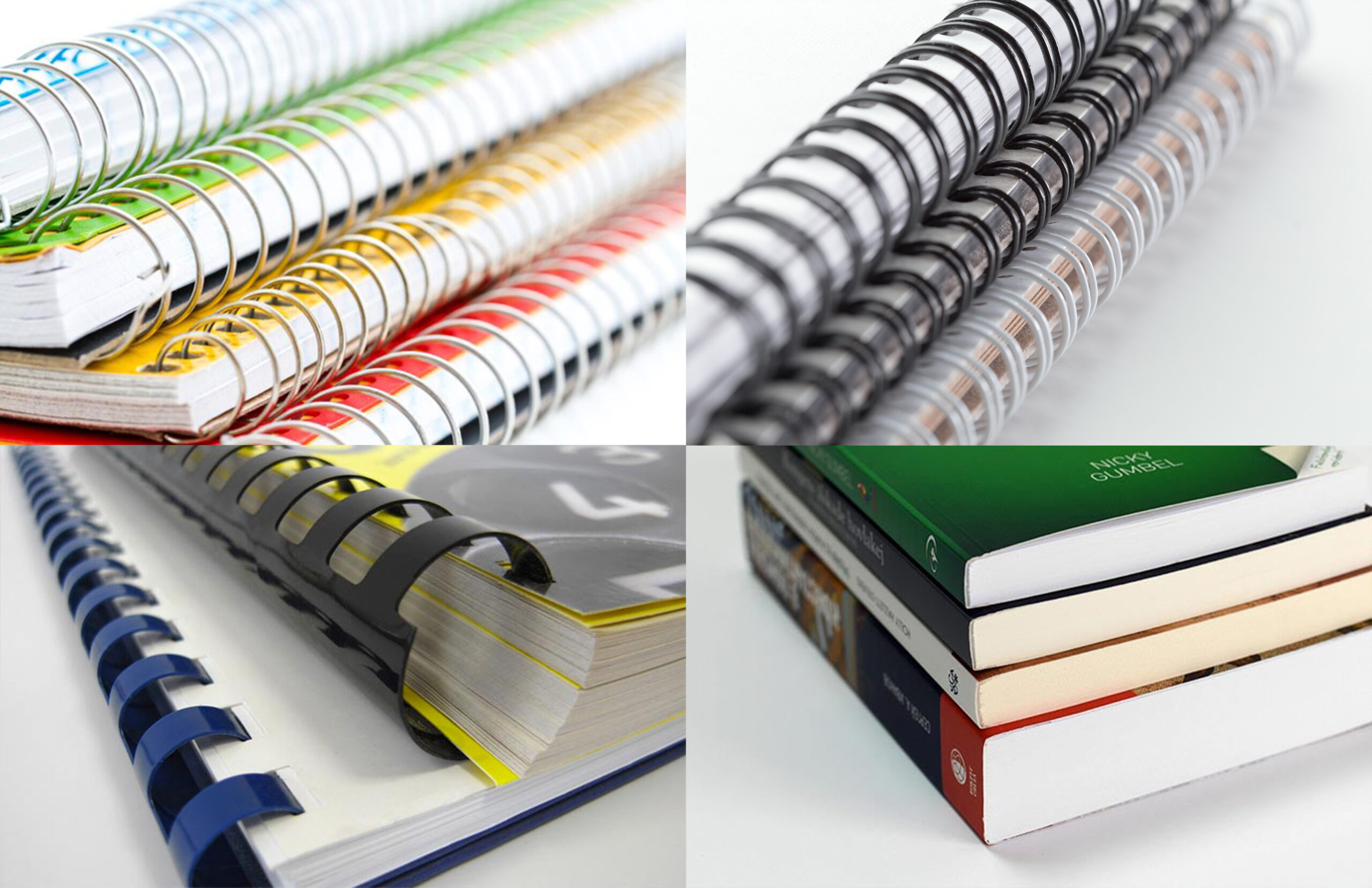
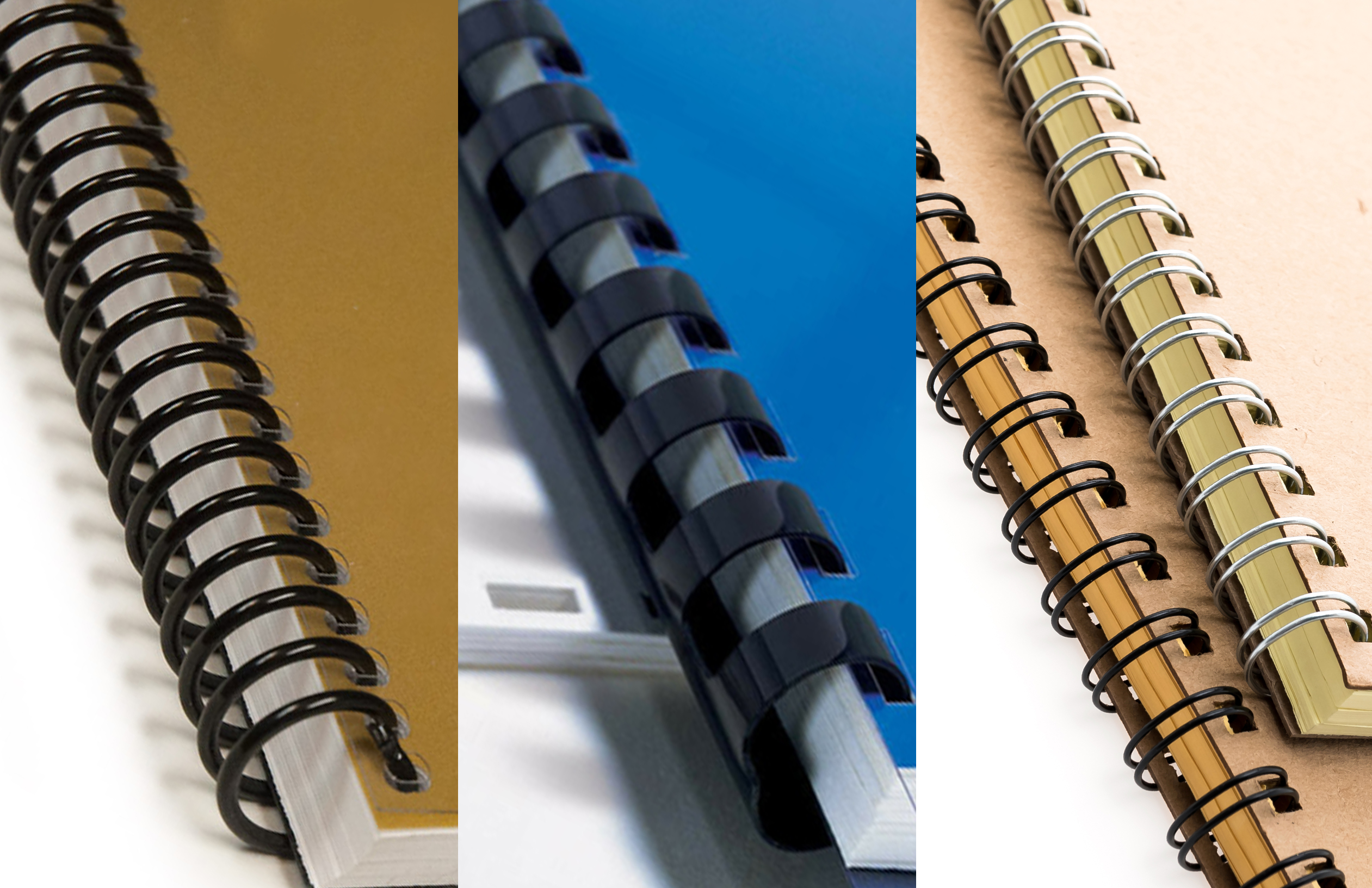
  • Coil or spiral binding uses a continuous plastic or metal coil threaded through punched holes, allowing pages to turn 360 degrees.
  • Comb binding uses plastic combs inserted into punched holes for flexible page turning.
  • Wire binding uses metal wires for durability and 360-degree page rotation.
  • Thermal binding uses heat-activated adhesive to secure pages inside a pre-formed cover for a clean, professional look.
  • Saddle stitching binds folded sheets together by stapling them along the center crease for a simple, cost-effective finish.
  • Perfect binding glues pages along a square spine for a polished book-like finish.
  • Case binding, or hard cover binding, secures pages inside a rigid cover, creating a durable, book-like finish.

Offering multiple binding options allows your print shop to cater to diverse client needs.

How Binding Fits With Printing Services

Binding complements printing by transforming loose pages into finished, professional documents. Customers value complete solutions that include both printing and assembly, making your services more convenient and efficient. By offering binding, print shops can package printing and finishing as a single service, saving clients time and reducing turnaround.

Binding also ensures proper page alignment, clean edges, and a polished appearance, improving overall document quality. Businesses can choose the binding type that best suits their project, considering factors like document type, volume, and budget.

Integrating binding with printing not only strengthens your service offerings but also enhances client satisfaction and encourages repeat business.

Benefits of Adding Binding Services

Difference Between Coil Comb and Wire Bindings

Adding binding services creates opportunities for growth, revenue, and improved client experience.

  • Increased revenue: Charging for binding services adds an extra profit stream.
  • Competitive advantage: Print shops with full finishing services attract more clients.
  • Customer convenience: Clients prefer one-stop solutions for printing and binding needs.

These benefits make binding an essential addition for print businesses aiming to expand.

Choosing Binding Methods for Your Business

Selecting the right binding methods depends on your target market, client needs, and investment budget. Offering a variety of options helps your shop handle both small and large projects efficiently.

  • Comb binding: Ideal for office reports, school projects, and short manuals.
  • Wire binding: Suited for presentations, calendars, and training manuals that need durability.
  • Coil or spiral binding: Allows pages to rotate 360 degrees, perfect for notebooks, planners, and manuals.
  • Perfect binding: Best for books, catalogs, and thicker publications with a polished, professional finish.
  • Thermal binding: Uses heat-activated adhesive to secure pages inside a cover, ideal for reports and portfolios.
  • Saddle stitching: Staples folded sheets along the center crease, great for brochures, booklets, and magazines.

Providing multiple binding options lets clients choose the best solution for their documents while increasing your business versatility.

Equipment and Material Requirements

Investing in the right equipment ensures consistent quality and efficiency. Binding machines vary from manual to fully automated models. Materials include binding wires, combs, adhesives, and covers. Stocking these items ensures smooth workflow and fast turnaround times.

Here are some of the binding machines and consumables you might want to explore:

Thermal Binding with Laminator 12″ – LTB-200

Thermal Binding with Laminator 12″ – LTB-200

The Thermal Binding with Laminator 12″ – LTB-200 provides a professional finish by combining heat-activated binding with a smooth laminating process. It secures documents neatly inside pre-formed covers while protecting pages with a laminated surface. Ideal for reports, portfolios, and presentations, the LTB-200 ensures durability, clean edges, and a polished, professional appearance. Its 12-inch capacity accommodates standard-sized documents, making it a versatile solution for offices, schools, and print shops seeking high-quality bound and laminated materials.

Boway Perfect Binder BW-920V

Boway Perfect Binder BW-920V

The Boway Perfect Binder BW‑920V delivers a professional book‑like finish for reports, manuals, and softcover publications. It uses reliable adhesive technology to bind pages securely along a flat spine, giving documents a clean and polished look. Designed for small to medium print shops, the BW‑920V handles various document sizes with consistent quality and durability. Its straightforward operation and dependable performance make it a practical choice for businesses and organizations aiming to expand their binding services.

WireMac-21 Akiles Wire Binding Machine

WireMac-21 Akiles Wire Binding Machine

The WireMac‑21 Akiles Wire Binding Machine offers reliable performance for producing sturdy, professional wire‑bound documents. It punches and binds pages with precision, making it suitable for offices and small print shops. Its durable build and easy operation help users handle reports, manuals, and calendars efficiently. The WireMac‑21 enhances productivity while delivering consistent, neat results for a wide range of binding projects.

CoilBind S-25A Spiral Coil Binding Machine

CoilBind S-25A Spiral Coil Binding Machine with Free Crimpers
CoilBind S-25A Spiral Coil Binding Machine

The CoilBind S‑25A Spiral Coil Binding Machine delivers dependable performance for creating durable coil‑bound documents. It efficiently punches and winds plastic coils, making it ideal for notebooks, planners, and manuals. With user‑friendly operation and reliable build quality, the S‑25A helps offices and print shops boost productivity while producing neat, professional results for everyday binding needs.

CombBind C20A Comb Binding Machine

CombBind C20A Comb Binding Machine

The CombBind C20A Comb Binding Machine offers a simple and efficient way to bind documents with plastic comb spines. It punches and binds pages quickly, making it ideal for office reports, school projects, and small print jobs. With straightforward operation and reliable performance, the C20A helps users produce neat and professional‑looking documents with minimal effort.

DeLuxe Book Stitchers M17-AST

DeLuxe Book Stitchers M17-AST

The DeLuxe Book Stitchers M17‑AST offers a reliable solution for saddle stitching projects like booklets, pamphlets, and manuals. It delivers strong, even staples along the spine crease for clean and durable results. Designed for ease of use, the M17‑AST helps offices and print shops produce professional stapled documents quickly and efficiently.

Staff Training and Operation

Proper training ensures staff use equipment safely and produce consistent results. Employees should understand:

  • Correct page alignment for each binding type.
  • Machine capacity limits and proper settings.
  • Quality checks for glued spines, wire loops, and comb insertion.

Well-trained staff reduce errors, increase productivity, and maintain customer satisfaction.

Quality Control and Maintenance

Maintaining high-quality output is essential for keeping clients satisfied and encouraging repeat business. Customers expect their documents to look professional and be durable, and any errors or inconsistencies can damage your shop’s reputation. By prioritizing quality, your print business demonstrates reliability and builds long-term trust with clients.

Regular equipment maintenance plays a key role in consistent quality. Machines should be cleaned frequently, and waste trays emptied to prevent jams and misalignment. Inspecting punching pins, wires, and glue mechanisms for wear ensures that binding results remain precise, and replacing worn parts promptly avoids costly mistakes during production.

Testing sample documents before starting large jobs adds an extra layer of quality control. It helps identify potential problems with alignment, glue adhesion, or page handling before they affect the full batch. These consistent quality measures reinforce your shop’s reputation for professional printing and finishing, creating satisfied clients who return for future projects.

Expanding Client Base

Adding binding services attracts a broader client base. Organizations, schools, and small businesses often need complete document solutions.

  1. Schools often have frequent printing needs for projects, reports, and portfolios. Students and staff benefit from professional binding that organizes their work neatly and improves presentation. Providing binding services for schools allows your print shop to become a trusted resource for academic projects and recurring school assignments.
  2. Businesses also rely on binding services for professional documents. Corporate clients need reports, presentations, manuals, and training materials that look polished and hold up to frequent use. Offering a variety of binding options ensures that your business can meet these professional standards while catering to different document sizes and volumes.
  3. Print-on-demand authors are another growing client segment. Many authors seek binding services for small book runs, limited editions, or promotional materials. Providing high-quality binding options helps these clients produce books that are visually appealing and durable, allowing your print shop to serve both niche and commercial publishing markets.

Offering binding increases opportunities for recurring projects and partnerships.

Final Thoughts

Adding binding services enhances your printing business by offering complete solutions. It improves document quality, client convenience, and revenue potential. Understanding binding systems, choosing the right methods, and training staff ensures successful implementation. Marketing and competitive pricing further strengthen your position in the market.

With proper planning and execution, integrating binding services transforms a standard print shop into a one-stop professional document solutions provider.


If you’re a business owner in the office, binding, printing or publishing industry, and you’re seeking the best binding machines to enhance your operations, look no further. Our selection of high-quality binding machines is designed to meet your specific needs. Whether you require the durability of case binding, the versatility of perfect binding, or the cost-effective benefits of saddle stitching, we have the right binding solution for you. Contact us today to explore our range of binding machines and take your business to the next level.

Tag: coil binding

How Schools Benefit from Organized Binding Systems

Schools handle large volumes of documents daily. From lesson plans to student assignments, maintaining organized materials is crucial. Loose sheets are easy to lose, damage, or misplace, which disrupts learning and administrative efficiency. Binding systems provide a practical solution by securing papers into neat, durable, and accessible formats. These systems also help schools present documents professionally, whether for administrative records, teaching materials, or student projects. Understanding binding systems, their types, and applications ensures schools select the most effective method for their needs.

What Is a Binding System

A binding system is a method used to hold multiple sheets of paper together into a single document. It improves organization, readability, and document longevity. Binding systems range from simple methods like stapling to advanced options such as wire, comb, coil, and thermal binding. Choosing the right system depends on document type, frequency of use, durability requirements, and cost considerations.

Binding systems serve multiple purposes in schools. They help organize teaching materials, maintain student records, and create professional-looking reports. Proper binding reduces the risk of lost pages and ensures that documents are easy to handle and reference.

Importance of Binding Systems in Schools

Binding systems provide several key benefits for schools. They ensure materials are organized and easily accessible. Students and teachers can reference lessons, assignments, and handouts without sorting through loose pages. Properly bound materials also last longer, reducing paper waste and replacement costs. Furthermore, well-bound documents support professional presentation for administrative reports, research projects, and student portfolios.

In addition, binding systems help schools maintain compliance with record-keeping regulations. Administrative staff can store important records efficiently while preserving document integrity. Bound documents are easier to file, transport, and archive, saving time for both educators and administrative personnel.

Types of Binding Systems Suitable for School Settings

Schools can benefit from several types of binding systems. Each method offers unique advantages depending on document use, size, and frequency of handling. Understanding the different types helps schools select the most appropriate solution.

Comb Binding

CombBind C20A Comb Binding Machine

Comb binding uses a plastic spine with teeth that fit into rectangular holes along the paper edge. It allows documents to open flat and supports adding or removing pages. Comb binding works well for student projects, teaching manuals, and reports that require frequent updates.

Key advantages include:

  • Affordable and easy to use for teachers and administrative staff
  • Allows for flexible document editing
  • Suitable for documents with medium page counts

Wire Binding

WireMac-21 Akiles Wire Binding Machine

Wire binding uses metal loops to secure punched pages together. It provides a durable and professional finish. Wire-bound materials open flat and resist wear, making them ideal for teacher manuals, reference guides, and archival records.

Benefits include:

  • High durability for frequently handled documents
  • Professional appearance suitable for presentations
  • Supports larger page counts without compromising structure

Coil or Spiral Binding

CoilBind S-25A Spiral Coil Binding Machine with Free Crimpers
CoilBind S-25A Spiral Coil Binding Machine

Coil binding uses a continuous plastic or metal coil threaded through punched holes. It allows pages to rotate 360 degrees, making it practical for instructional workbooks or interactive notebooks.

Advantages include:

  • Excellent flexibility for student handouts and lesson plans
  • Durable enough for repeated use
  • Pages turn smoothly and stay flat

Thermal Binding

Thermal Binding with Laminator 12″ – LTB-200

Thermal binding uses adhesive inside a cover to secure pages. It provides a sleek, professional appearance for end-of-term reports, administrative reports, or student portfolios.

Key points include:

  • Clean and professional finish
  • Best for permanent documents that do not require page removal
  • Easy to produce in bulk for administrative use

Tips for Selecting the Right Binding System in Schools

Choosing the best binding system requires considering document type, frequency of use, and intended lifespan. Schools should evaluate their needs before investing in machines or supplies.

Tips include:

  • Assess document size and page count to determine appropriate binding type
  • Consider durability needs, especially for frequently used teaching materials
  • Factor in flexibility requirements, such as adding or removing pages
  • Balance cost efficiency with presentation quality for administrative or student-facing materials

Equipment Considerations for Schools

Schools may need machines to produce bound materials efficiently. Simple comb or wire binding machines are suitable for small to medium-sized offices. More advanced thermal binding machines help produce high-quality reports for administrative purposes. Staff should be trained to operate equipment safely and efficiently.

Maintaining Bound Documents

Proper maintenance ensures long-lasting results. Store documents flat or upright to avoid damaging spines. Avoid excessive force when opening wire or comb-bound materials. For thermal or coil binding, follow manufacturer guidelines for handling and storage. Regularly inspect materials to prevent wear and maintain presentation quality.

Final Thoughts

Binding systems play a vital role in school settings. They keep materials organized, protect information, and enhance professionalism. Selecting the appropriate type of binding ensures longevity and usability for teaching materials, student projects, and administrative records. Schools that invest in quality binding systems benefit from improved efficiency, better document management, and more polished presentations. By understanding the different methods and their applications, educators and administrative staff can choose the best solutions to support daily operations and enhance learning experiences.


Are you a business owner in search of reliable binding machines to streamline your document-binding needs? Look no further. Discover the perfect coil binding solution for your organization today by exploring our range of top-quality machines. Contact us now to find the ideal coil binding machine that meets your specific requirements and witness the difference it can make for your business.

Tag: coil binding

Effective Document Binding in Government Agencies

Government offices handle large volumes of important documents daily. Reports, contracts, permits, regulations, and public records must stay organized, secure, and accessible. Mismanaged files can lead to delays, errors, or loss of critical information. Binding systems provide a practical solution to organize and preserve these documents. They help government employees maintain order, ensure compliance, and present professional records. This article explores binding in government offices, including an overview of binding systems and recommended methods for effective document management.

What Is a Binding System

Difference Between Coil Comb and Wire Bindings

A binding system is a method of securing multiple sheets of paper into a single, cohesive document. Binding keeps papers intact, organized, and easy to handle.

Government offices rely on binding systems for several reasons:

  1. Organization: Group related documents into one unit for easy access.
  2. Protection: Prevents important files from tearing, getting lost, or damaged.
  3. Professional Presentation: Makes official reports, contracts, and records look polished.
  4. Ease of Storage: Bound documents are simpler to store, transport, and archive.

Binding systems use different techniques and equipment depending on document type, volume, and usage frequency.

Importance of Binding in Government Offices

Proper binding plays a critical role in government offices. Documents often need to be preserved for years or decades. Loose papers can be easily misplaced, causing administrative problems or legal issues.

Binding ensures records like financial reports, court documents, project files, and internal memos remain intact and accessible. It also streamlines workflow by making retrieval faster and more efficient.

In addition, bound documents maintain consistency in appearance, which reflects professionalism during audits, public submissions, or inter-office communications.

Different Types of Binding for Government Offices

Types of binding

Government offices use various binding techniques depending on document needs. Each type offers specific advantages.

Comb Binding: Uses plastic combs to secure sheets. Allows adding or removing pages. Ideal for reports, manuals, and policy documents.

Wire Binding: Metal wire holds pages securely. Pages can lay flat for easier reading. Suitable for official manuals and project files.

Coil or Spiral Binding: Plastic or metal spirals rotate fully. Useful for instructional guides or training manuals.

Thermal Binding: Heat-activated glue secures pages into a softcover or hardcover. Perfect for formal reports and legal files.

Choosing the right binding method depends on the document’s importance, frequency of use, and storage requirements.

Best Binding System for Government Offices

CombBind C20A Comb Binding Machine

Selecting the best binding system ensures government documents remain organized and protected. Key considerations include durability, accessibility, and volume.

  • For High-Volume Reports: Wire or comb binding provides strong, reusable solutions. Easy to store and retrieve frequently used files.
  • For Official Publications: Thermal or perfect binding gives a professional finish. Suitable for annual reports, policy manuals, and handbooks.
  • For Training or Instructional Materials: Spiral binding allows pages to open fully for practical use. Ideal for workshops or departmental training.
  • For Temporary or Frequently Updated Files: Comb binding allows easy addition or removal of pages. Useful for project files or ongoing records.
  • For Archival Records: Durable thermal binding or perfect binding ensures documents remain intact for long-term storage.

Using the right system minimizes damage, prevents loss, and increases efficiency across departments.

Equipment Needed for Binding in Government Offices

CoilBind S-25A Spiral Coil Binding Machine with Free Crimpers
CoilBind S-25A Spiral Coil Binding Machine

Government offices require reliable and user-friendly equipment for binding tasks. Choosing the right tools ensures smooth operations and high-quality output.

Investing in quality equipment reduces errors, saves time, and enhances the appearance of bound documents.

Best Practices for Binding Government Documents

Proper binding requires planning and consistency. Following best practices ensures efficiency and protects critical records.

  1. Label Clearly: Every bound file should have clear titles, dates, and reference numbers.
  2. Group by Category: Organize documents by department, project, or client for faster retrieval.
  3. Maintain Uniformity: Use the same binding type and size for similar documents to reduce confusion.
  4. Store Properly: Keep bound files upright in cabinets or shelves to prevent damage.
  5. Update Training: Staff should know how to use machines correctly and follow filing standards.
  6. Audit Regularly: Check files periodically to ensure documents remain complete and in order.

These practices help government offices maintain compliance, streamline workflow, and protect sensitive information.

Binding is a vital part of document management in government offices. It keeps files organized, secure, and professional. Using the right binding system and equipment ensures documents remain accessible, durable, and presentable. From comb binding for project files to thermal binding for formal reports, each technique serves a purpose. Government offices benefit from proper filing and binding by saving time, reducing errors, and maintaining professional standards. Implementing consistent practices and reliable equipment creates an efficient and effective filing system for any government department.


Are you a business owner in search of reliable coil-binding machines to streamline your document-binding needs? Look no further. Discover the perfect coil binding solution for your organization today by exploring our range of top-quality machines. Contact us now to find the ideal coil binding machine that meets your specific requirements and witness the difference it can make for your business.

Tag: coil binding

How Medical Offices Benefit with Proper Binding Systems

Medical offices manage large volumes of paperwork daily, including patient records, prescriptions, insurance forms, and treatment reports. Keeping these documents organized is crucial for smooth workflow, patient safety, and compliance with health regulations. A proper binding system helps medical offices secure and manage their documents efficiently. It ensures records remain intact, easy to access, and professionally presented. This article explains what a binding system is, explores the different types of binding systems applicable in medical offices, and highlights the benefits of using them for daily operations.

About Binding System

A binding system is a method or machine that assembles multiple sheets of paper into a single organized document. In medical offices, binding systems make records easy to manage, protect, and store.

Binding systems improve workflow by keeping documents neat and accessible. They reduce errors, prevent pages from getting lost, and ensure patient records remain complete. Binding also supports compliance with health regulations, such as HIPAA, by helping secure sensitive information.

Medical offices can choose from mechanical or thermal binding methods. Mechanical systems, like comb, wire, and spiral binding, allow staff to add or remove pages as needed. Thermal or perfect binding produces durable, professional-looking reports suitable for finalized medical files.

Using a binding system also saves space and time. Instead of loose sheets scattered across desks, medical staff can handle consolidated, organized documents efficiently. Proper binding ensures fast retrieval, which is critical during consultations or emergencies.

Quick Rundown of Different Binding Systems

Medical offices can select from several binding methods based on their specific needs. Each system has advantages for different types of documents, frequency of use, and presentation requirements.

Wire Binding

WireMac-21 Akiles Wire Binding Machine

Wire binding uses a metal wire loop to secure pages. It creates durable, professional documents. Pages rotate 360 degrees, making it easy to review and annotate. Ideal for medical reference guides and training manuals.

Comb Binding

CombBind C20A Comb Binding Machine

Comb binding uses a plastic comb inserted into punched holes. Staff can easily add or remove pages. Best for forms, schedules, or patient intake documents that require frequent updates.

Coil or Spiral Binding

CoilBind S-25A Spiral Coil Binding Machine with Free Crimpers
CoilBind S-25A Spiral Coil Binding Machine

Coil or spiral binding uses a continuous plastic coil through punched holes. It is flexible and durable. Documents lie flat, making it suitable for logs, notes, or instructional manuals.

Thermal Binding

Thermal Binding with Laminator 12″ – LTB-200

Thermal binding uses heat-activated adhesive applied to pre-glued covers. Pages are permanently bound. Ideal for finalized reports, policy manuals, and patient handbooks.

Perfect Binding

Boway Perfect Binder BW-920V

Perfect binding uses glue along the spine to hold pages together. It creates a professional book-like finish. Suitable for thick reports, annual records, or medical publications.

Benefits of Proper Binding Systems in Medical Offices

Using binding systems in a medical office provides multiple benefits, improving organization, efficiency, and professionalism.

1. Organized Records

Binding keeps documents neatly together and prevents loose pages. Patient files, treatment histories, and insurance claims stay complete and easy to reference.

2. Quick Retrieval

Bound documents are easier to find and sort. Staff can quickly access information during consultations, reducing waiting times and improving patient experience.

3. Professional Appearance

Binding gives files a polished, clean look. Reports, manuals, and patient guides look professional, reinforcing credibility and trust.

4. Improved Document Security

Binding systems secure sensitive information. Pages are less likely to be lost, misplaced, or damaged. Thermal or perfect binding adds an extra layer of tamper-resistance.

5. Durability and Longevity

Bound documents withstand frequent handling better than loose sheets. Wire, spiral, and thermal binding methods ensure long-lasting durability for critical medical records.

6. Easy Updates and Editing

Mechanical binding systems allow staff to add or remove pages as needed. This flexibility is ideal for forms or protocols that change over time.

7. Space Efficiency

Bound files are easier to store and stack. Shelving space is optimized, and filing cabinets remain organized.

8. Compliance Support

Properly bound files help offices maintain organized records in line with HIPAA and other healthcare regulations. Accurate record-keeping reduces legal and operational risks.

Binding Consumables in Medical Offices

Polycover Gloss Clear Letter Size 10 MIL 8.75 x 11.25

Binding systems rely on printing consumables such as covers, wires, coils, combs, adhesives, and labels. These materials are essential for smooth operations and professional results.

  • Covers: Provide protection and improve presentation. Options include clear plastic, cardstock, and laminated finishes.
  • Wires and Coils: Required for wire or spiral binding, available in different sizes and colors.
  • Combs: Plastic combs for comb binding, reusable and adjustable.
  • Adhesives: For thermal and perfect binding, ensure strong, lasting bonds.
  • Labels: For indexing, patient identification, or document categorization.

Keeping consumables in stock ensures uninterrupted operations. Medical offices can maintain high-quality results without delays.

Running Out of Consumables

Coil Crimping Pliers

Running out of printing consumables can disrupt operations in medical offices. Delays in binding reports, patient records, or manuals can affect workflow and patient care.

  • Staff may spend extra time manually organizing loose documents.
  • Documents may appear unprofessional or be less durable.
  • Errors and misplaced pages can increase, creating compliance risks.
  • Urgent patient files may become difficult to retrieve quickly.

To avoid these problems, offices should track consumable levels and reorder before running out. Maintaining a buffer stock prevents downtime and ensures continuous high-quality document management.

Best Practices for Using Binding Systems in Medical Offices

Medical offices can maximize benefits by following these best practices:

  • Train staff to use binding machines safely and efficiently.
  • Select binding methods suitable for document type and usage frequency.
  • Store consumables properly in cool, dry areas to maintain quality.
  • Inspect bound files for alignment, completeness, and durability.
  • Maintain machines regularly to prevent breakdowns and downtime.

Following these steps ensures consistent, professional, and secure document handling across the office.

Proper binding systems are crucial for medical offices to manage records efficiently, professionally, and securely. Choosing the right binding method improves workflow, saves time, and protects sensitive patient information. By maintaining consumables and machines, offices can prevent disruptions and ensure high-quality output. From wire and comb to thermal and perfect binding, each system offers unique advantages for different document types. Medical offices that adopt binding systems experience better organization, compliance, and patient service. Investing in proper binding solutions is a small step that delivers long-term operational benefits, enhances professionalism, and supports patient trust.


Are you a business owner in search of reliable coil-binding machines to streamline your document-binding needs? Look no further. Discover the perfect coil binding solution for your organization today by exploring our range of top-quality machines. Contact us now to find the ideal coil binding machine that meets your specific requirements and witness the difference it can make for your business.

Tag: coil binding

How Binding Systems Improve Efficiency in Law Offices

In a law firm, proper document filing is more than just organization—it is a legal necessity. Law offices handle vast amounts of paperwork daily, from client files and case reports to contracts and court submissions. Losing or mismanaging a single document can lead to delays, compliance issues, or even damage to a firm’s reputation. This is why establishing a clear and reliable filing system is essential. One of the most efficient ways to achieve this is through the use of binding systems and equipment. These tools help secure, organize, and preserve legal documents, ensuring accessibility and professionalism in every file.

What Is a Binding System?

A binding system is a method or machine used to hold multiple sheets of paper together securely. It helps create neat, durable, and organized documents. In a law firm, where precision and presentation matter, binding systems make files easier to manage and reference.

Binding systems come in different forms, each with unique advantages. Some use mechanical fasteners like wires or plastic combs, while others rely on heat or glue to create a permanent seal. The choice of system depends on the document type, usage frequency, and desired finish.

For instance, client case files often need to be updated regularly, so a flexible binding method like comb or wire binding works best. On the other hand, finalized legal reports and court submissions require a more permanent and polished option, such as thermal or perfect binding.

Importance of Proper Filing in Law Firms

Proper document filing is the foundation of an organized law office. It ensures quick retrieval, data security, and smooth workflow among legal teams. More importantly, it supports compliance with legal standards and confidentiality requirements.

Here are several reasons why filing through a binding system is essential in law firms:

  • Professional Presentation: Bound documents look organized and convey professionalism to clients and courts.
  • Durability: Bound files resist wear and tear from frequent handling, which is common in legal offices.
  • Security: Binding prevents pages from being lost, misplaced, or tampered with.
  • Efficiency: Bound and labelled files simplify retrieval and archiving, saving time during research or case preparation.

Proper filing with the right binding system keeps law firms productive and compliant while maintaining a high level of professionalism in client service.

Different Types of Binding Applicable to Law Firms

Law firms can choose from several binding systems depending on document type, purpose, and volume. Each binding method offers distinct benefits that cater to specific office needs.

1. Comb Binding

CombBind C20A Comb Binding Machine

Comb binding is one of the most popular methods used in offices. It involves inserting a plastic comb through rectangular holes punched along the paper edge.

It is ideal for documents that need regular updates, such as client records or reference materials. The comb can easily open and close, allowing users to add or remove pages as needed.

Advantages:

  • Affordable and easy to use
  • Reusable binding combs
  • Allows document editing or page replacement

2. Wire Binding

WireMac-21 Akiles Wire Binding Machine

Wire binding offers a more professional finish compared to comb binding. It uses a metal wire loop that holds the pages firmly together. This method provides a sleek, durable result that is suitable for presentations or finalized reports.

Advantages:

  • Durable and secure binding
  • Professional appearance
  • Pages can turn a full 360 degrees

3. Thermal Binding

Thermal Binding with Laminator 12″ – LTB-200

Thermal binding creates a clean, book-like finish. It uses a pre-glued cover and heat to seal the document’s spine. Once bound, the pages cannot be removed, making it ideal for official and permanent records.

Advantages:

  • Strong and tamper-proof binding
  • Sleek, professional appearance
  • No punching or mechanical parts required

4. Perfect Binding

Boway Perfect Binder BW-920V

Perfect binding is commonly used in publishing and professional documentation. It uses adhesive to hold the pages together, resulting in a flat spine that can display titles or case names.

Advantages:

  • Creates a high-end, book-like appearance
  • Excellent for thick documents
  • Long-lasting and durable

5. Coil Binding

CoilBind S-25A Spiral Coil Binding Machine with Free Crimpers
CoilBind S-25A Spiral Coil Binding Machine

Coil binding, also called spiral binding, uses a plastic or metal coil threaded through holes along the document’s edge. It allows pages to lie flat when opened, making it user-friendly for note-taking or reviewing lengthy cases.

Advantages:

  • Flexible and durable
  • Pages turn smoothly and stay flat
  • Suitable for frequently used documents

Choosing the Right Binding System for Your Law Firm

Selecting the right binding method depends on the type of documents your firm handles most often. Temporary or editable documents benefit from flexible systems like comb or coil binding. Meanwhile, legal documents that require permanence, such as case files and court submissions, are best suited for thermal or perfect binding.

When deciding on a binding system, consider these factors:

  • Document Volume: High-volume offices may need heavy-duty binding machines.
  • Frequency of Updates: Choose a binding system that allows page replacement if needed.
  • Presentation Standards: Use professional-looking finishes for client-facing documents.
  • Budget and Space: Compact, efficient machines are ideal for smaller law offices.

A balanced approach—using multiple systems for different purposes—can optimize document management and enhance efficiency across departments.

Benefits of Using Binding Systems in Legal Offices

Messy Documents

Integrating binding equipment into daily filing operations provides long-term value. Law firms that adopt proper binding practices experience smoother workflows and better record management.

Some practical benefits include:

  • Time Savings: Organized, labelled, bound files reduce time spent searching for specific documents.
  • Improved Storage: Bound documents take up less space than loose files.
  • Client Confidence: Professionally bound files reinforce a firm’s commitment to quality and detail.
  • Sustainability: Reusable covers and efficient filing methods help reduce paper waste.

Proper binding not only keeps legal documents secure but also enhances how a law firm manages and presents its information.

For law firms, maintaining a reliable document filing system is not optional—it’s a necessity. Binding systems play a crucial role in ensuring that legal documents remain organized, accessible, and presentable. Whether using comb, wire, thermal, or perfect binding, the goal remains the same: to protect the integrity of vital records while promoting efficiency and professionalism.

Investing in the right binding system and equipment helps law firms streamline their workflow, maintain compliance, and uphold the high standards that clients expect. In an industry where every detail matters, proper filing through binding is a small step that delivers lasting impact.


Are you a business owner in search of reliable coil-binding machines to streamline your document-binding needs? Look no further. Discover the perfect coil binding solution for your organization today by exploring our range of top-quality machines. Contact us now to find the ideal coil binding machine that meets your specific requirements and witness the difference it can make for your business.

Tag: coil binding

How Binding Systems Improve Organizing Office Documents

Proper filing of documents is essential in every office environment. Schools, law firms, medical offices, government offices, real estate agencies, and corporate offices handle large volumes of documents daily. Mismanaged files lead to confusion, lost information, and wasted time. Using binding systems and proper equipment ensures documents stay organized, accessible, and protected. This article explores print finishing, binding systems, and types of binding useful for office filing.

What Is Print Finishing

Print finishing refers to post-print processes that enhance printed materials’ durability, appearance, and usability. Offices rely on print finishing to make documents presentable and long-lasting.

Benefits include:

  • Improved protection from wear, moisture, and handling.
  • A professional look for reports, proposals, and official records.
  • Better organization through standardized formats.

Print finishing is not limited to aesthetics. It supports practical document management and filing in office environments.

What Is a Binding System

Difference Between Coil Comb and Wire Bindings

A binding system is a method of securing multiple sheets of paper together to create a cohesive document. Binding ensures documents stay intact and organized.

Binding systems also make filing and retrieving documents easier. Properly bound files are less likely to get lost or damaged. Offices use binding to manage reports, invoices, contracts, student records, patient charts, and legal files.

Binding systems rely on equipment such as:

  • Binding machines for manual or automatic binding.
  • Plastic, comb, or wire coils for different document types.
  • Laminating machines for protective covers on important documents.

Using a binding system improves office efficiency and reduces errors caused by misfiled papers.

Importance of Proper Filing in Offices

Proper filing is more than neatness. It ensures accessibility, compliance, and efficiency. Every office type benefits differently:

  • Schools: Maintain student records, test scores, and administrative documents.
  • Law firms: Manage case files, contracts, and court documents.
  • Medical offices: Track patient files, prescriptions, and billing records.
  • Government offices: Organize public records, permits, and regulatory documents.
  • Real estate offices: Keep contracts, property listings, and client files.
  • Corporate offices: Maintain financial reports, HR files, and operational records.

Proper filing prevents loss of critical information, saves time, and creates accountability.

Different Types of Binding Applicable to Offices

Various binding techniques suit office needs. Each offers different advantages for filing and document management.

  1. Comb Binding: Uses plastic combs to hold sheets. Easy to add or remove pages. Ideal for reports, training manuals, and presentations.
  2. Wire Binding: Metal wires secure documents. Provides durability and allows pages to lay flat. Useful for manuals and reference guides.
  3. Spiral Binding: Uses plastic or metal spirals. Pages rotate fully, making reading and copying easier. Good for instructional booklets.
  4. Thermal Binding: Heat-activated adhesive secures pages into a hardcover or softcover format. Perfect for official reports and legal documents.
  5. Saddle Stitching: Staples sheets through the center fold. Suitable for booklets, newsletters, and brochures.
  6. Perfect Binding: Glues pages together at the spine. Offers a professional, polished look. Ideal for annual reports and corporate publications.

Choosing the right binding depends on document’s purpose, frequency of use, and desired presentation.

Benefits of Using Binding Systems in Filing

Binding systems help offices manage documents efficiently. Key benefits include:

  • Organization: Group related documents together for easier access.
  • Protection: Prevents papers from tearing, falling out, or becoming damaged.
  • Professional Appearance: Creates polished, uniform documents.
  • Ease of Handling: Bound files are easier to store, transport, and review.
  • Customizability: Binding allows for different sizes, covers, and formats depending on office needs.

Equipment Needed for Office Binding

Investing in the right equipment ensures smooth filing operations. Offices typically use:

CombBind C20A Comb Binding Machine

Comb Binding Machines: Affordable and flexible for moderate use.

WireMac-21 Akiles Wire Binding Machine

Wire Binding Machines: Stronger and suitable for heavier or frequently used files.

CoilBind S-25A Spiral Coil Binding Machine with Free Crimpers
CoilBind S-25A Spiral Coil Binding Machine

Spiral Binding Machines: Versatile and allow documents to open fully.

Thermal Binding with Laminator 12″ – LTB-200

Thermal Binding Machines: Provide professional-looking finishes for important reports.

Selecting equipment depends on document volume, office size, and the type of files handled.

Best Practices for Filing Documents

Proper filing requires planning and consistency. Offices should follow these practices:

  • Use consistent labelling for easy identification.
  • Group documents by category, date, or client.
  • Keep frequently used files accessible.
  • Store archived files safely and in order.
  • Train staff on binding techniques and filing standards.
  • Perform regular audits to ensure files remain organized.

Following these practices minimizes loss, confusion, and damage to documents.

Proper filing through binding systems and equipment is essential for all offices. It ensures documents remain organized, protected, and professional. Schools, law firms, medical offices, government agencies, real estate offices, and corporate offices all benefit from using the right binding method. Choosing the appropriate binding type and investing in reliable equipment improves workflow and efficiency. By implementing consistent filing procedures and using print finishing techniques, offices can maintain high standards of document management, save time, and reduce errors.


If you’re a business owner in the office, binding, printing or publishing industry, and you’re seeking the best binding machines to enhance your operations, look no further. Our selection of high-quality binding machines is designed to meet your specific needs. Whether you require the durability of case binding, the versatility of perfect binding, or the cost-effective benefits of saddle stitching, we have the right binding solution for you. Contact us today to explore our range of binding machines and take your business to the next level.

Tag: coil binding

Binding 101: A Complete Guide to Stitching Wires for Binding

Stitching wire plays a crucial role in the world of print finishing and bookbinding. Whether you’re producing booklets, catalogs, manuals, or promotional materials, using the right stitching wire ensures durability, security, and a polished finish. This guide will walk you through what stitching wire is, the types available, how it’s used in binding, tips for selecting the right wire, and best practices for storage and handling.

What is Stitching Wire?

Stitching wire is a type of metallic wire used to bind printed materials by driving it through the paper to form a staple-like fastener. Unlike plastic or comb bindings, stitching wires provide a permanent hold, making them ideal for high-volume or professional print applications. Most commonly made from galvanized steel, stitching wires can also come in stainless steel, tinned, or coated finishes depending on the application.

Wire stitching is commonly used in saddle stitching machines, loop stitchers, and other commercial finishing equipment. It’s the preferred binding method for magazines, catalogs, newsletters, and smaller booklets due to its speed, cost-effectiveness, and strength.

Types of Stitching Wire

Stitching wires vary based on material, thickness (gauge), and finish. Here’s an overview of common types:

  • Galvanized Wire – Zinc-coated for corrosion resistance, ideal for most general printing applications.
  • Stainless Steel Wire – Offers superior resistance to rust and tarnish, used in environments with high humidity or where long shelf life is essential.
  • Tinned Wire – Coated with tin to prevent oxidation and ensure smoother machine performance.
  • Colored or Coated Wire – Vinyl or nylon-coated wires used for aesthetic purposes, especially in visible stitching or branding-focused applications.

The gauge typically ranges from 21 to 25, with thicker wires used for larger stacks or heavy-duty documents. Always consult your binding machine’s specifications to determine compatible wire sizes.

How Stitching Wire is Used in Binding

Sysform 106E Electric Stapler Flat Saddle

Wire stitching can be applied using manual, semi-automatic, or fully automatic stitching machines, depending on the production scale. Here’s how the process typically works:

First, the machine feeds the wire coil into its stitching head in preparation for binding.

Next, the machine cuts the wire to the required length and shapes it into a staple-like form.

Third, the machine drives the formed wire through the stack of papers and clinches it securely at the back to hold the pages together.

And lastly, some machines also perform trimming or folding as the final step to complete the booklet.

There are two common stitching techniques:

  1. Saddle Stitching – The wire is inserted along the spine of folded sheets, ideal for magazines or booklets.
  2. Side Stitching – The wire is stapled along the edge of flat pages. It allows for thicker documents but is less aesthetically refined.

What is Binding?

Binding is the process of securely fastening individual sheets or pages together to create a single, organized document such as a book, booklet, manual, or report. It’s an essential step in the print finishing stage, giving documents a polished, professional appearance while ensuring durability and usability. Depending on the purpose, volume, and presentation needs, various binding methods are used across industries such as education, publishing, corporate, and commercial printing. Below are some of the most common types of binding:

  • Perfect Binding – Uses glue to bind pages to a spine, making it ideal for softcover books and magazines.
  • Saddle Stitching – Staples pages through the spine; best for thin booklets and catalogues.
  • Comb Binding – Utilizes plastic combs, ideal for manuals and editable reports.
  • Wire Binding – Uses metal wires; gives a professional finish and lies flat when opened.
  • Coil Binding – Uses plastic coils; durable and flexible, suitable for notebooks and workbooks.
  • Thermal Binding – Uses heat-activated adhesive; offers a clean, glue-bound finish.
  • Case Binding – Also known as hardcover binding, used for premium books and long-term publications.

Choosing the Right Stitching Wire

Selecting the right stitching wire depends on your project requirements, machine compatibility, and desired finish. Keep these factors in mind:

  • Always use wire that meets your stitching machine’s specifications.
  • Thicker documents require stronger, lower-gauge wire.
  • For humid or long-term storage, use stainless steel or tinned wire.
  • If the wire will be visible, consider colored coatings for branding or aesthetic reasons.
  • Galvanized wire is the most cost-effective for everyday use.

Advantages of Using Stitching Wire

Wire stitching offers multiple benefits:

  • Durability – Provides a strong, permanent bind ideal for high-use materials.
  • Speed – Fast binding process for high-volume production.
  • Clean Finish – Offers a professional and minimal appearance.
  • Cost-Effective – Especially for short-run or medium-length documents.

Compared to glue binding, stitching is more robust and less likely to degrade over time. It’s also more economical than case binding and faster than spiral or comb methods for booklet production.

Storage and Maintenance Tips

Proper storage and handling of stitching wire ensure consistent results and extend machine life:

  • Store in a dry, temperature-controlled environment to prevent rust or corrosion.
  • Keep wire spools upright and secured to avoid tangling or deformation.
  • Clean your stitching machine regularly to prevent adhesive or paper dust from affecting wire feed.
  • Inspect the wire for kinks or damage before use, which could affect stitching quality.
  • Investing in good quality stitching wire and maintaining your equipment will save time and reduce waste in production runs.

Understanding the role of stitching wire in print finishing can help you choose the best materials and equipment for your binding needs. Whether you’re running a small print operation or managing a large-scale publication project, wire stitching offers a dependable and efficient solution. By selecting the appropriate type of wire, using it properly, and maintaining your equipment, you’ll achieve consistent, professional binding results every time.


Are you a business owner seeking to enhance your document organization and presentation capabilities? Consider the efficiency and professionalism that comb binding machines can bring to your operations. Contact us today to explore a range of comb binding solutions tailored to your specific needs and elevate the way you present documents in your business.

Tag: coil binding

How to Use a Binding Machine?

Binding machines are essential tools in offices, schools, print shops, and many other settings requiring securely fastening documents. They come in various types, each designed for different binding methods, such as comb, coil, wire, or thermal binding. Binding machines offer a professional touch to presentations, reports, books, and other printed materials. Knowing how to use these machines properly ensures durability, functionality, and a polished look for your documents. This guide will walk you through the basic steps of using a binding machine, focusing on popular methods like comb, coil, and wire binding, while also covering some tips and common mistakes to avoid.

What is a Binding Machine?

Coil binding machine - Binding machine printfinish

A binding machine is a device used to securely bind together pages of a document, often by punching holes along the edge and inserting a binding element such as a comb, wire, coil, or glue strip. These machines are widely used in offices, print shops, schools, and various industries to create professional-looking reports, presentations, manuals, and books. They provide a durable and polished finish, enhancing the appearance and functionality of documents.

Types of Binding Machines

Before diving into the specifics of using a binding machine, it’s important to understand the different types of binding machines. Each type is suited for a particular binding style, and knowing which one best fits your needs is crucial:

  • Comb Binding Machines – These machines use plastic comb spines to bind documents. It’s one of the most affordable and flexible options, allowing for easy page addition or removal.
  • Coil Binding Machines – Coil binding uses a plastic or metal coil that is wound through the punched holes of the document. This method allows documents to lie flat and is often used for manuals and notebooks.
  • Wire Binding Machines – Wire binding, also known as wire-o binding, uses a metal wire to secure the pages. It’s more durable and provides a more professional look than comb or coil binding.

Each type of binding machine follows a similar overall process, but there are key differences in how the binding element (comb, coil, wire, etc.) is inserted and secured. Let’s go through the general steps involved in using a binding machine.

Step-by-Step Guide to Using a Binding Machine

Difference Between Coil Comb and Wire Bindings

1. Prepare the Document

Before you begin using any binding machine, you’ll need to make sure your document is ready for binding. This includes ensuring that all the pages are in the correct order and that you’ve chosen the right cover if you plan to use one. For wire and coil binding, it’s best to use heavier cardstock covers for durability, while comb binding can accommodate a range of cover types.

2. Select the Correct Binding Element

Next, choose the appropriate binding element based on the thickness of your document. For example, comb binding spines range from 3/16″ to 2″, allowing you to bind documents up to several hundred pages thick. Coils and wires come in various sizes as well, so be sure to check the manufacturer’s recommendations for each binding machine and document size.

3. Adjust the Machine Settings

Most binding machines allow you to adjust the settings depending on the size of your document and binding element. You will need to set the punch depth and margin width to accommodate the spine or coil size. If your machine has a depth margin adjustment, this helps align the holes properly along the edge of the paper.

For example, wire binding machines require you to adjust the wire closer to fit the size of the wire spine you’re using, while coil machines may have an electric coil inserter feature to speed up the process.

4. Punch Holes in the Document

Once your document is properly aligned, it’s time to punch holes. Most binding machines come with a lever or button that activates the punching mechanism. Depending on the machine, you may need to punch in batches if your document is thick.

  • Comb Binding: Insert the stack of pages into the punching slot, ensuring they’re lined up evenly. Pull down the lever to punch the holes.
  • Coil Binding: Similarly, align the pages and punch the holes. Coil binding machines often have round or oval-shaped holes, depending on the coil size.
  • Wire Binding: Like the other methods, punch the holes, but keep in mind that wire binding typically uses rectangular holes, designed to hold the wire securely.

5. Insert the Binding Element

Now that your document is punched, it’s time to insert the binding element.

  • Comb Binding: Open the plastic comb using the machine’s comb opener. Place the open comb through the punched holes, then close the comb to secure the pages.
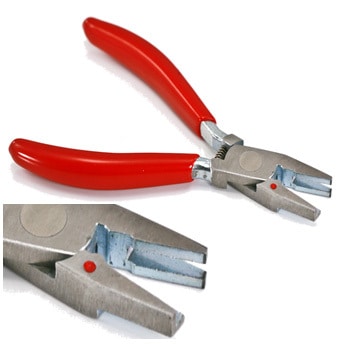
  • Coil Binding: Insert the coil through the first few holes by hand, then use the machine’s coil inserter (if available) to wind the coil through the rest of the holes. You’ll then use coil crimping pliers to cut and crimp the ends, preventing the coil from slipping out.
  • Wire Binding: Place the wire spine into the holes and then position the document into the wire closer on the machine. Pull the lever to squeeze the wire shut, securing the pages together.

6. Check the Final Product

Once the binding element is inserted and secured, flip through your document to ensure all the pages are aligned properly, and the binding is secure. If anything looks off, you may need to redo a section, especially for wire or comb binding where misalignment can cause issues with the binding process.

Common Mistakes to Avoid

  • Don’t try to punch too many sheets at once, as this can jam or damage the machine. Follow the machine’s sheet capacity recommendations.
  • Using a binding element that is too small or too large can result in a poor fit. Be sure to match the spine size with the document’s thickness.
  • Make sure to adjust the punch margin and depth settings, especially when working with different document sizes or binding elements.

Binding machines are indispensable tools for creating professional and polished documents. Whether you’re using comb, coil, wire, or thermal binding machines, the process is straightforward with the right preparation and tools. By following these steps and avoiding common mistakes, you can efficiently bind documents that are both functional and aesthetically pleasing. Whether you’re producing reports, manuals, or presentations, mastering the use of binding machines will add a professional touch to all your printed materials.

If you’re a business owner in the office, binding, printing or publishing industry, and you’re seeking the best binding machines to enhance your operations, look no further. Our selection of high-quality binding machines is designed to meet your specific needs. Whether you require the durability of case binding, the versatility of perfect binding, or the cost-effective benefits of saddle stitching, we have the right binding solution for you. Contact us today to explore our range of binding machines and take your business to the next level.

Tag: coil binding

Tips When Buying a Coil Binding Machine

In today’s rapidly evolving printing industry, the demand for efficient and versatile binding solutions is more pronounced than ever before. From small businesses and educational institutions to commercial printing enterprises, the need for a proper coil binding machine has become indispensable. In this article, we delve into the critical importance of selecting the best coil binder to meet your specific requirements and ensure seamless document finishing. Whether you’re a print shop owner, an office manager, or a student preparing presentations, understanding the key factors to consider when purchasing a coil binding machine can make all the difference in streamlining your workflow and achieving professional results. From exploring the various types of coil binding machines available to provide invaluable tips and insights on selecting the right model for your needs, this article serves as a comprehensive guide for anyone seeking to enhance their binding capabilities in today’s competitive printing landscape.

What is a Coil Binding Machine and How It Works

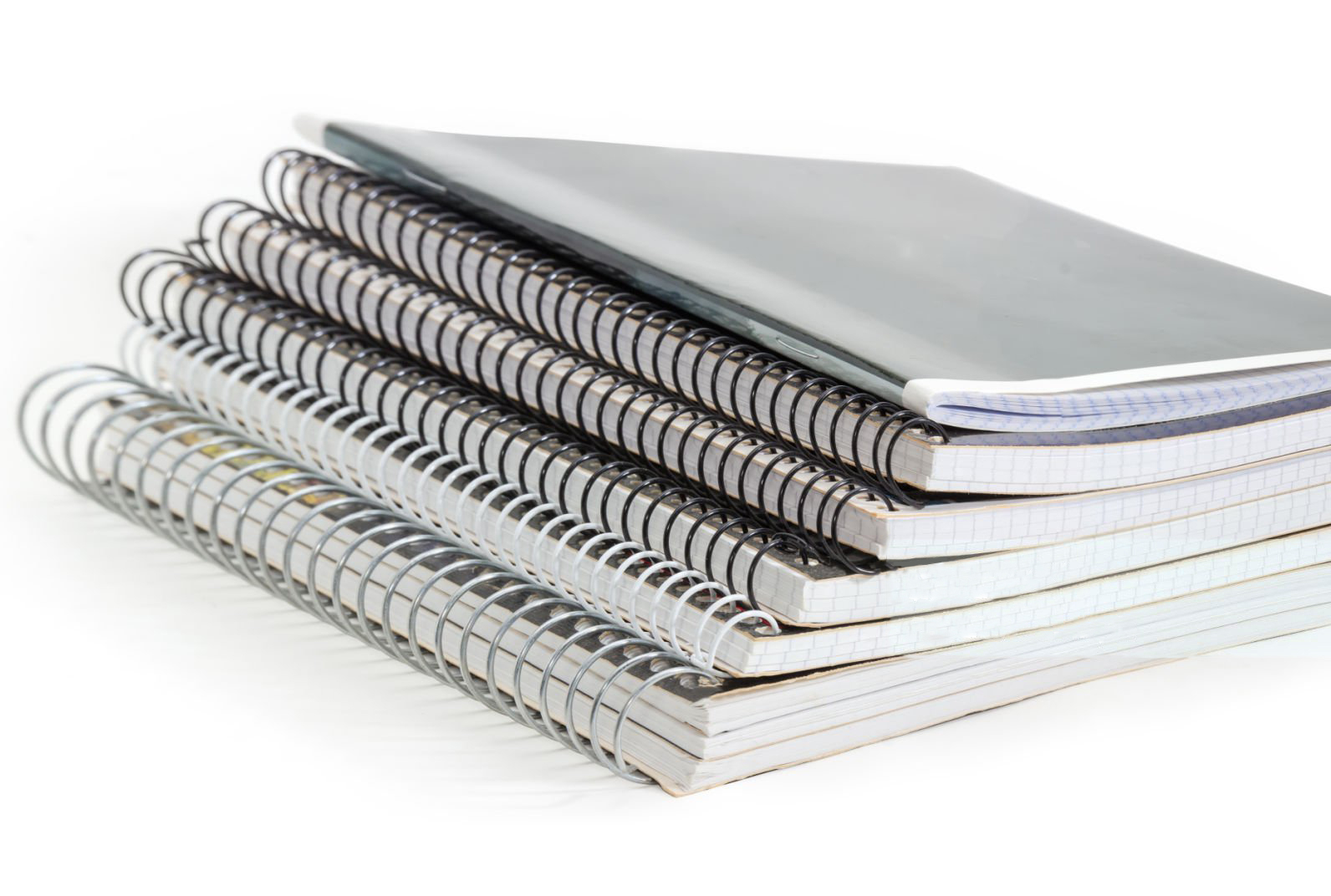
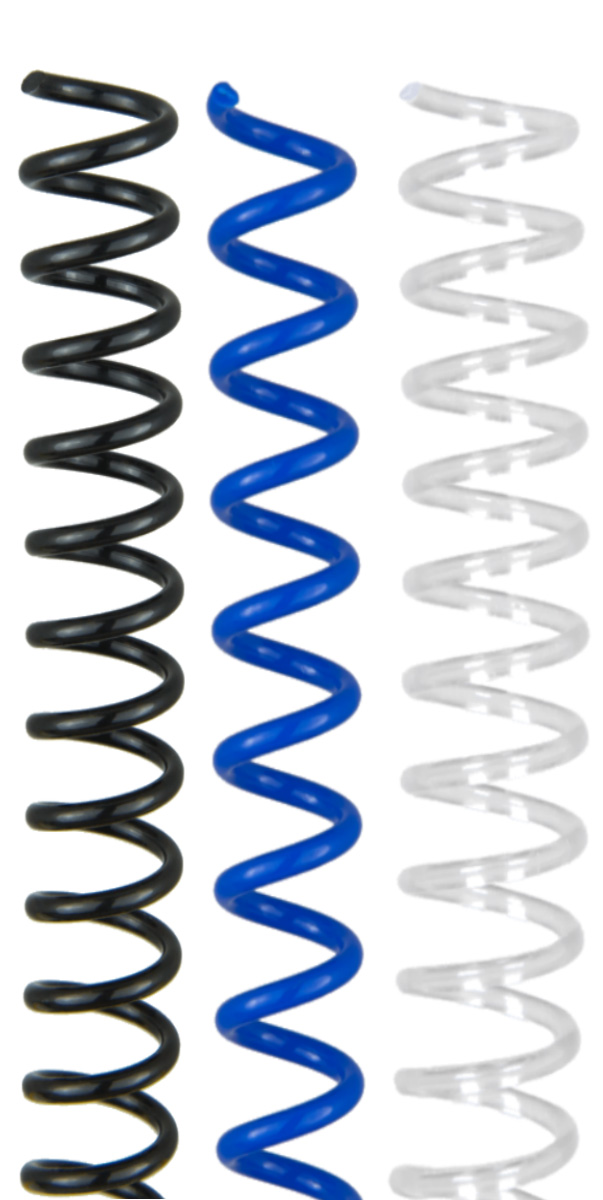
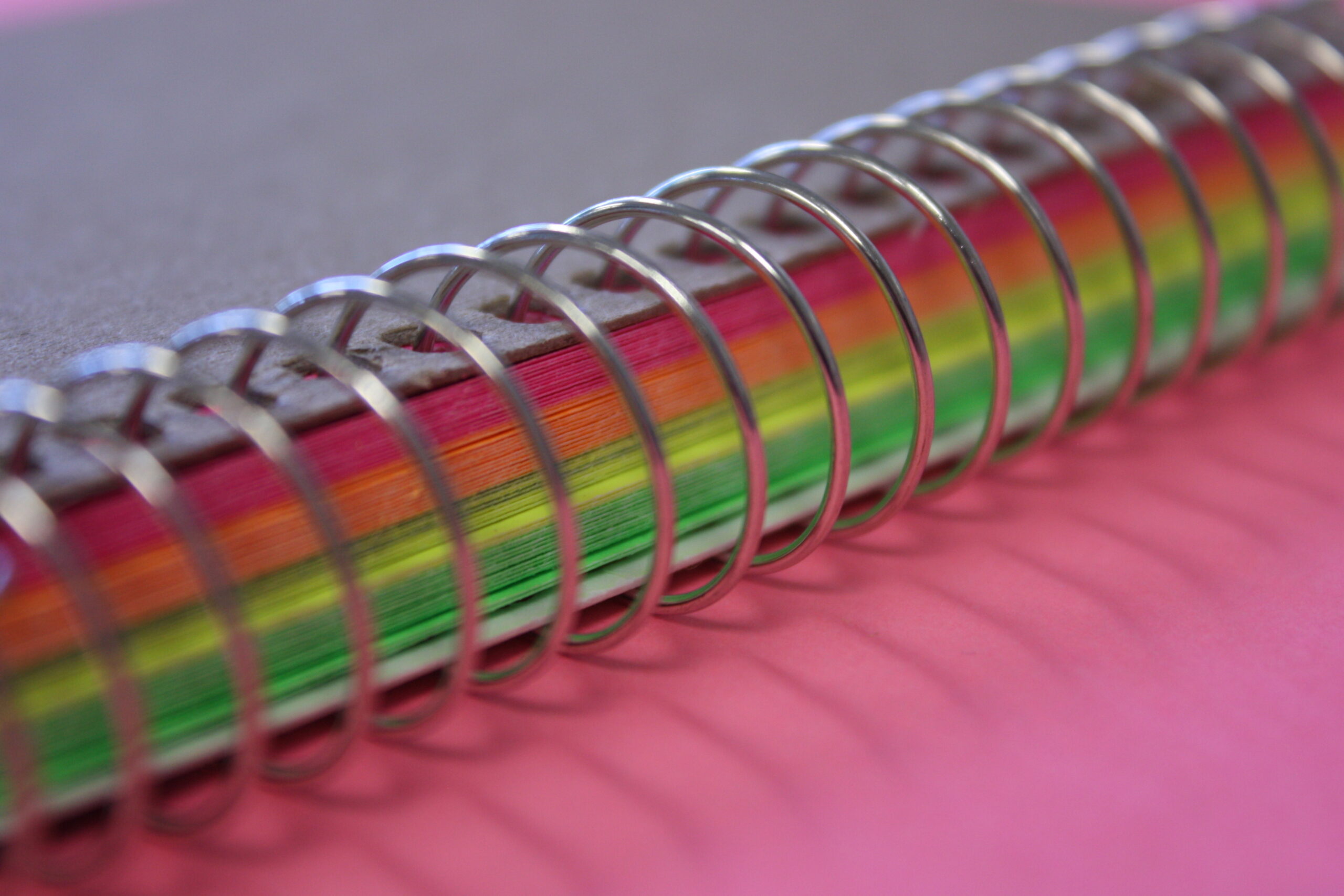
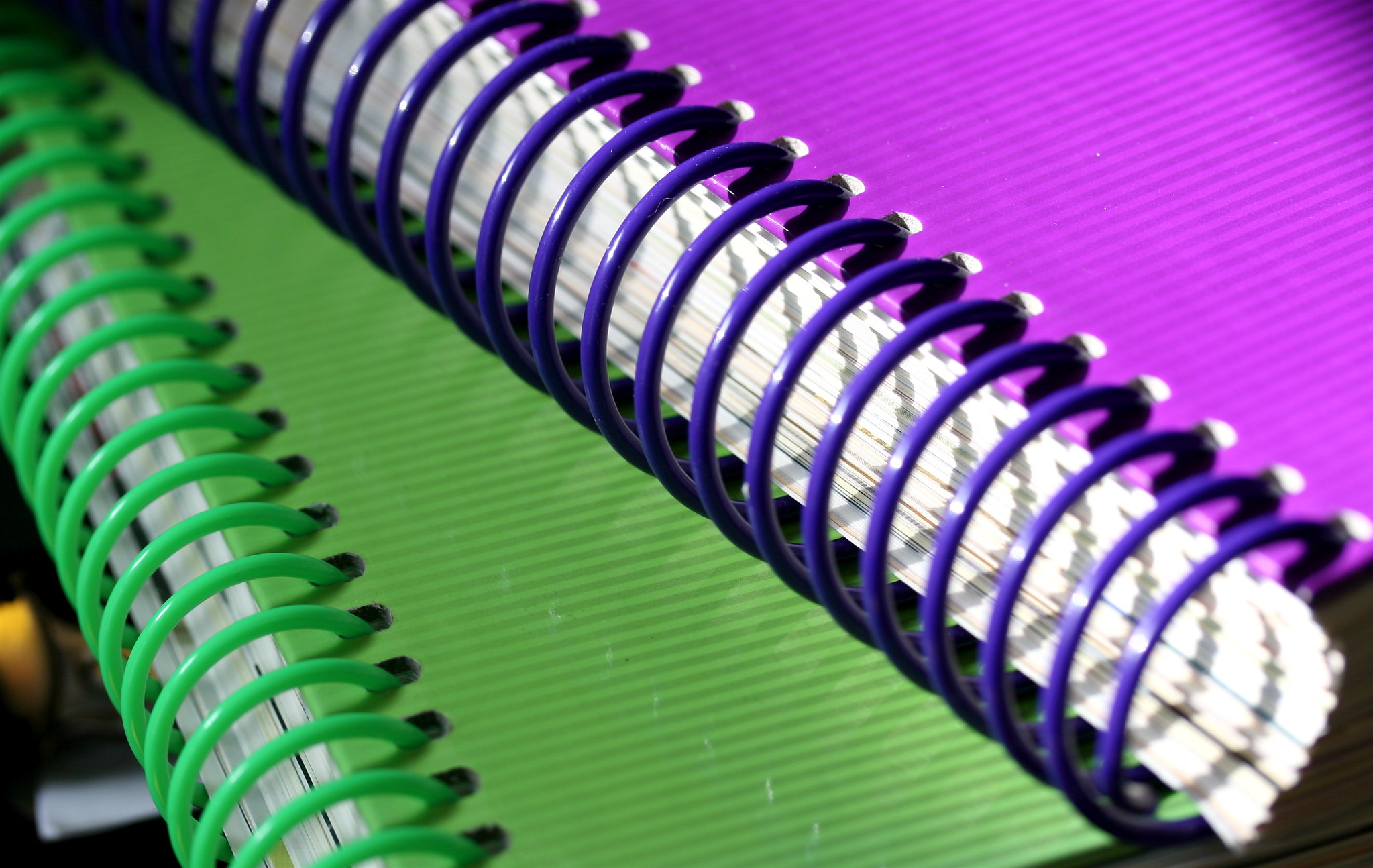
A coil binding machine is used for binding documents, reports, presentations, and other printed materials. It utilizes plastic coils, also known as spiral coils or coil bindings, to bind the pages together securely. The coil binding process involves punching evenly spaced holes along the edge of the document using a punching mechanism, then threading the coil through the holes using a coil inserter and finally crimping the ends of the coil to prevent it from unravelling. Coil binding machines come in various sizes and capacities, ranging from manual, desktop models suitable for small offices and personal use to electric or automated machines designed for high-volume commercial printing operations. They offer flexibility, durability, and a professional appearance, making them a popular choice for businesses, schools, and organizations seeking reliable document-binding solutions.

Tips to Remember Before Buying a Coil Binding Machine
Coil Binding Products

Before purchasing a coil binding machine, there are several important factors to consider to ensure you select the right one for your needs. Here are some tips to keep in mind:

  1. Capacity and Volume: Assess your binding needs in terms of the volume of documents you plan to bind regularly. Consider the machine’s punching and binding capacity to ensure it can handle your workload efficiently without causing delays or strain.
  2. Coil Size Compatibility: Determine the range of coil sizes you anticipate using for your documents. Ensure that the coil binding machine you choose is compatible with the coil diameters you plan to utilize to accommodate different document thicknesses.
  3. Punching Patterns: Evaluate the punching patterns offered by the machine to ensure they match your document size and layout requirements. Some machines offer adjustable punching dies or interchangeable die sets to accommodate various paper sizes and hole patterns.
  4. Ease of Use: Look for a coil binding machine with user-friendly features and intuitive controls to simplify the binding process and minimize training time for operators. Consider factors such as ergonomic design, automatic features, and clear instructions to ensure smooth operation.
  5. Durability and Build Quality: Invest in a coil binding machine constructed from durable materials and built to withstand heavy-duty use. Choose reputable brands known for their reliability and longevity to minimize the risk of breakdowns and ensure long-term performance.
  6. Additional Features: Consider any additional features or accessories that may enhance the functionality of the coil binding machine, such as built-in coil crimpers, electric coil inserters, or adjustable margin settings. Evaluate whether these features align with your specific binding needs and workflow preferences.
  7. Budget: Establish a budget for your coil binding machine purchase and compare prices across different brands and models to find the best value for your investment. Balance cost considerations with the machine’s features, capabilities, and long-term reliability to make an informed decision.

By keeping these tips in mind and thoroughly evaluating your binding requirements, you can confidently select the right coil binding machine to meet your needs and streamline your document binding process.

Don’t forget to read our most Frequently Asked Questions about coil binding. This can help you gain more insights before buying your coil binding machine.

Why Proper Binding is Important

Proper binding is crucial for several reasons across various industries and contexts.

Firstly, it enhances the durability and longevity of documents, ensuring that pages remain securely bound together even with frequent handling or transportation. This is especially important for important reports, presentations, manuals, and other documents that need to withstand regular use.

Additionally, proper binding provides a professional appearance, making documents more visually appealing and easier to read, which can significantly impact the perception of the content and the credibility of the sender or organization.

Moreover, binding helps organize and streamline information, making it easier for readers to navigate through the document and locate specific sections or chapters. Whether for internal use within a company, distribution to clients or customers, or submission for academic or legal purposes, proper binding adds a level of professionalism and polish to documents, ultimately contributing to clearer communication and effective information dissemination.

Best Coil Binding Machines in 2025

best coil binding machines

The best coil binding machines combine ease of use, durability, versatility, and safety features to facilitate efficient and secure document binding. Here are some of the best coil binding machines:

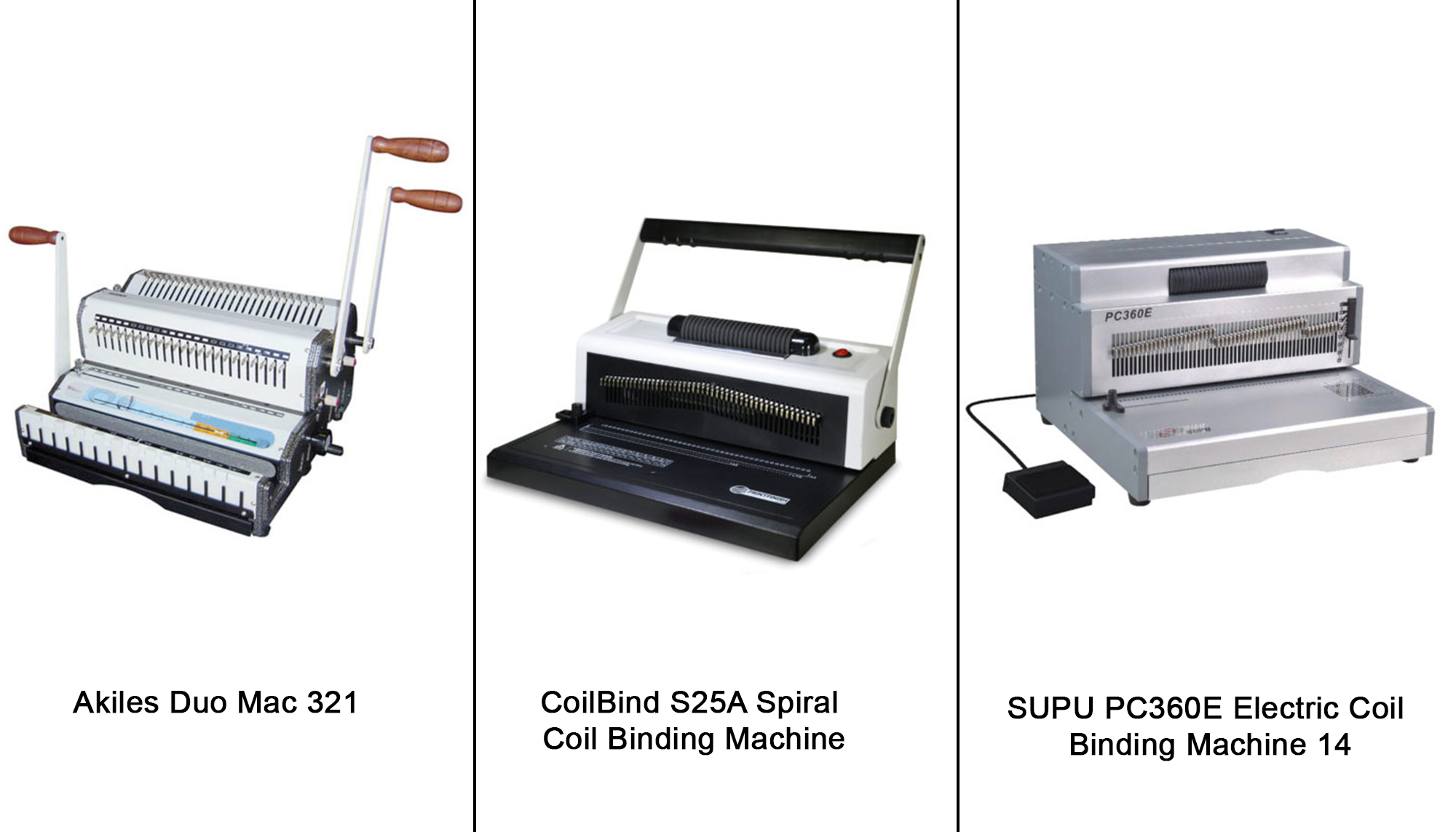
  • Akiles Duo Mac 321
    A versatile and user-friendly coil binding machine, designed to streamline the binding process for businesses and organizations. With its efficient electric punching and binding capabilities, it empowers users to create professionally bound documents with ease and precision.
  • CoilBind S25A Spiral Coil Binding Machine
    A versatile and user-friendly solution for schools and small offices. It boasts a robust punch capacity of up to 20 sheets (20# paper) and features a full handlebar that accommodates left-handed, right-handed, or two-handed operations, ensuring ease of use. Its lightweight and portable design makes it an excellent addition to any workspace, providing efficient coil binding capabilities for a variety of document binding needs.
  • SUPU PC360E Electric Coil Binding Machine 14″
    A high-performance binding solution designed for businesses and print shops. With its electric punching and binding capabilities, it streamlines the coil binding process, allowing for the efficient production of professional-quality documents and presentations.

Remember, investing in the right coil binding machine is essential for businesses, organizations, and individuals seeking to enhance their document-binding capabilities. By considering factors such as capacity and volume, coil size compatibility, punching patterns, ease of use, durability, additional features, and budget, you can make an informed decision that aligns with your specific needs and preferences. Whether you’re a small office, a print shop, or an educational institution, selecting the appropriate coil binding machine can streamline your workflow, improve efficiency, and elevate the professional appearance of your documents. With careful consideration and thorough research, you can confidently choose a coil binding machine that meets your requirements and helps you achieve outstanding results in your binding projects.

Are you a business owner in search of reliable coil-binding machines to streamline your document-binding needs? Look no further. Discover the perfect coil binding solution for your organization today by exploring our range of top-quality machines. Contact us now to find the ideal coil binding machine that meets your specific requirements and witness the difference it can make for your business.